




- Good response to hmtv’s Innovative Hackathon-2026
- The three qualities that shape our everyday life
- This Diwali, trade fireworks for a sky full of stars in Kenya
- Telugu talent Jidnyasa Chilka makes her mark on Mumbai’s theatre stage
- Uttam blames BRS regime for states’s El Nino woes
- BJP killing democracy in broad daylight
- 3 mandals chosen for Rs 150 cr drought mitigation measures
- Telangana Government launches incubator programme for women SHGs
Exploring the complexities of human nature through mystery and morality
In Short
Through Karan Negi, the novel examines the burden of past decisions and the courage required to confront inconvenient realities.
Share :
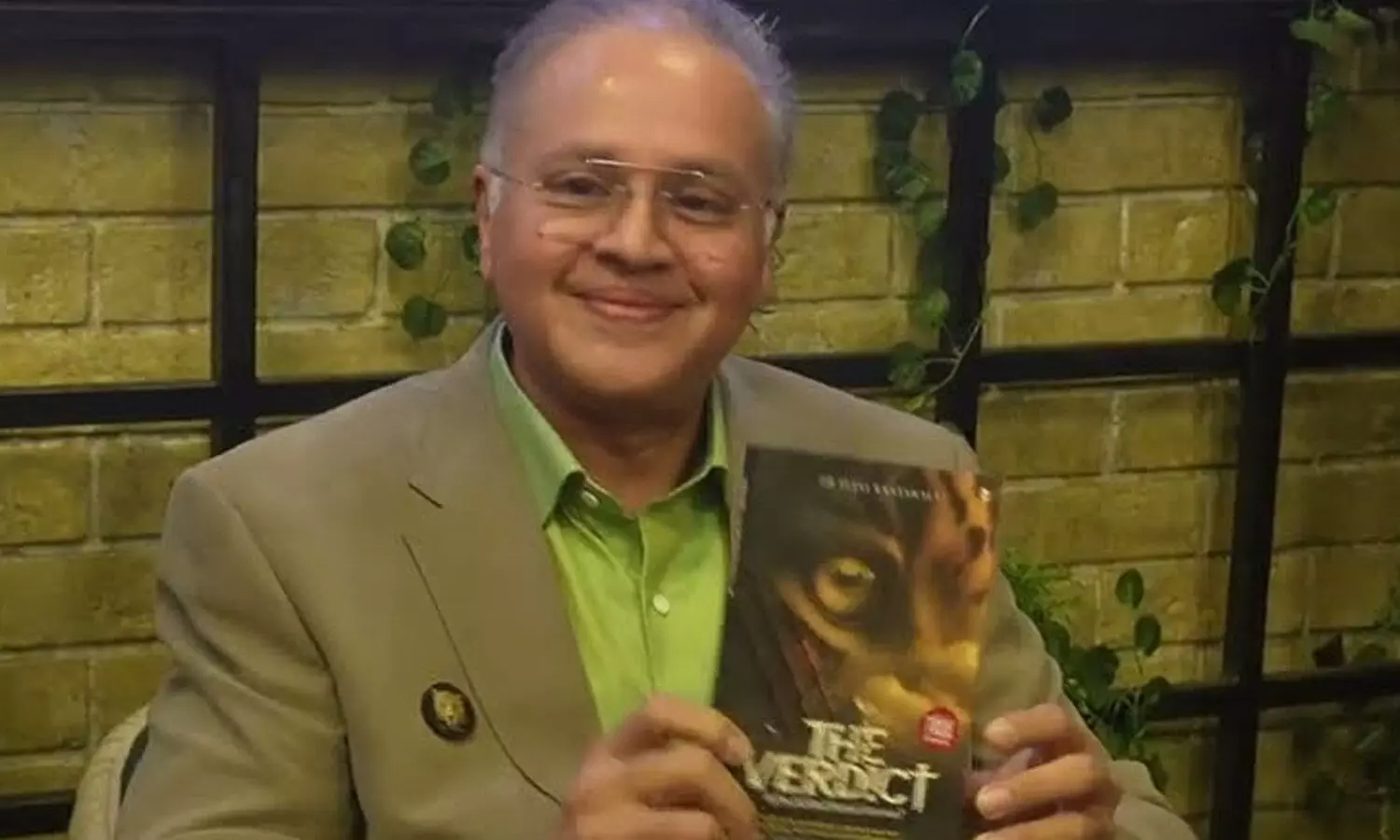
Dr Sujay Kantawala
For Dr Sujay Kantawala, literature offers a window into the complexities of human nature, moral dilemmas and the psychological conflicts that shape individual lives. Through fiction, suspense and reflective writing, he explores the fragile relationship between truth and perception, creating characters whose convictions are tested by difficult circumstances.
“I am interested in exploring human behaviour, particularly the choices people make when their values, beliefs and conscience are put to the test,” says Dr Sujay Kantawala, reflecting on the themes that run through his literary works.
His latest novel, ‘The Verdict: Who Killed Sonia Verma?’, brings together psychological suspense, mystery and moral inquiry. The story follows Karan Negi, a retired judge who retreats to the mist-covered hills of Pelling in search of peace after a demanding professional life. His quiet existence is disrupted when Sonia Verma, a young receptionist, is found dead under suspicious circumstances. The investigation soon draws him into a maze of disappearing evidence, compromised witnesses and uncomfortable revelations. “The story goes beyond identifying the person responsible for a crime. It also explores the motivations, personal conflicts and moral dilemmas that complicate the pursuit of truth,” says Kantawala.
Through Karan Negi, the novel examines the burden of past decisions and the courage required to confront inconvenient realities. Moving beyond the conventional whodunit, it invites readers to reflect on integrity, responsibility and the limitations of human judgment.
“Truth is not always easy to recognise, especially when personal interests, social pressures and human weaknesses cloud our understanding,” says Kantawala, highlighting the moral questions at the heart of the narrative. His earlier works also reveal his fascination with different shades of human behaviour. In ‘Windswept: The Perfect Murder’, he traces the transformation of Ragini, whose experiences of humiliation, betrayal and emotional abandonment gradually shape her personality. The story explores resentment, personal agency and the consequences of prolonged suffering.
“People are shaped by their experiences, but the choices they make in response to those experiences can influence the course of their lives,” says Kantawala, reflecting on the psychological dimensions of his storytelling.
In ‘Curse of Suspicion’, he examines how mistrust can destroy relationships and destabilise family life. The story of Duryodhan, whose suspicions about his wife trigger a disturbing sequence of events, explores the destructive consequences of doubt and insecurity.
With ‘Love Knows No Boundaries’, Kantawala turns to romance, portraying the relationship between Sayed Shaquille Ahamat, a tribal prince from Chad, and Ritambhara, a yoga practitioner associated with an ashram in Rishikesh. Their story explores the tensions between affection, cultural differences and personal ambition.
His creative interests extend beyond fiction into poetry and reflective writing. The coffee-table collections ‘Thoughts’, ‘More Thoughts’ and ‘Thoughts Flow On’ reveal a contemplative side of his literary personality, focusing on observations and emotions that shape everyday life.
“Whether I write suspense, romance or reflective pieces, I remain interested in the emotions and conflicts that define people and their relationships,” says Kantawala.
With ‘The Verdict: Who Killed Sonia Verma?’, he brings these concerns together in a suspenseful investigation that gradually becomes a deeper inquiry into accountability and the search for truth. His writing encourages readers to look beyond appearances and consider the forces that influence human behaviour.
Having raised expectations with his latest thriller, Kantawala leaves readers anticipating his next literary offering — particularly another mystery that combines gripping storytelling with an incisive exploration of the human mind.
Telangana farmers strike gold with fine paddy!
TG will emerge as India’s top defence mfg hub: Revanth Reddy
Urban mobility must be integrated with city planning: Minister
Jagan Has a Destructive Mindset Like Kansa: Naidu
K’taka govt awarded waste tender to ‘ineligible’ company: BJP
BRS Responsible For Telangana’s Irrigation Mess: Uttam Kumar Reddy


