Mahashivratri 2026: The night of cosmic awakening and inner transformation

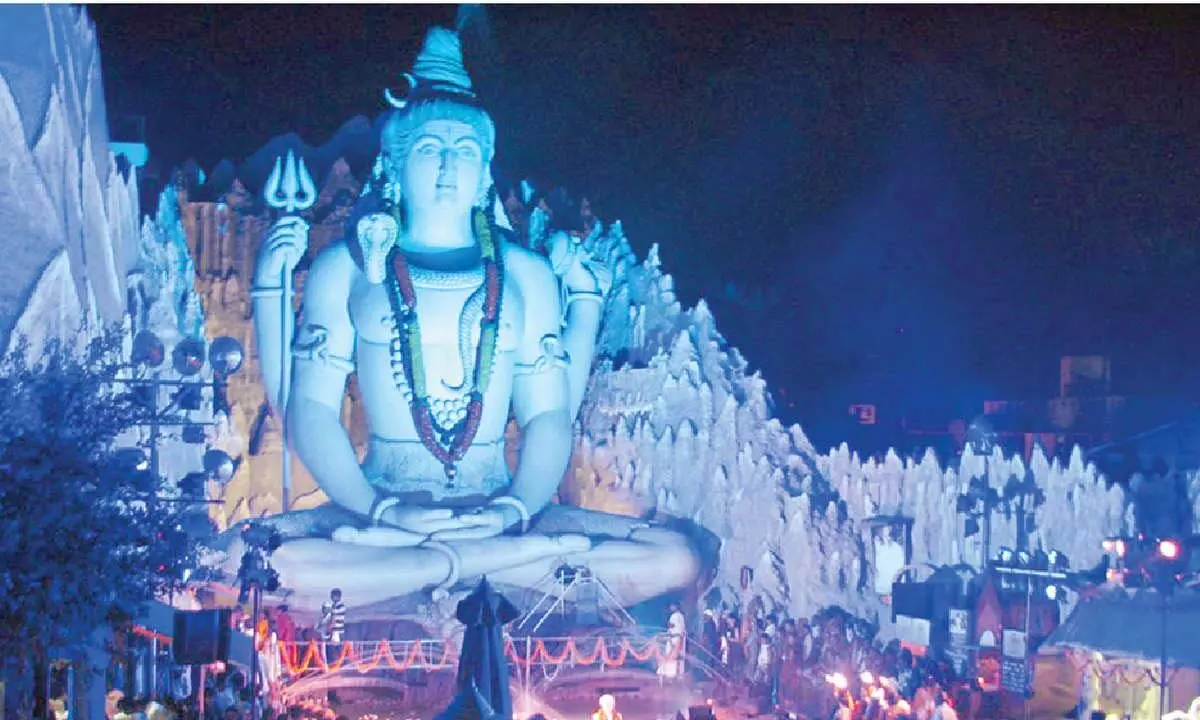
Every year, as millions of devotees across India and the world stay awake through the night in prayer, fasting, and meditation, Mahashivratri emerges not just as a festival—but as a profound spiritual experience. Dedicated to Shiva, the festival symbolizes the triumph of consciousness over chaos, stillness over noise, and devotion over distraction.
But in today’s hyperconnected and overstimulated world, Mahashivratri holds a relevance far beyond ritual—it offers a template for inner reset.
The Meaning Behind the Night
Mahashivratri, literally “The Great Night of Shiva,” falls on the 14th night of the dark fortnight in the Hindu month of Phalguna. Mythologically, it marks:
• The divine marriage of Shiva and Parvati
• The night Shiva performed the cosmic dance, Tandava
• The moment Shiva manifested as an infinite pillar of light
For devotees, the night represents dissolving the ego and embracing higher awareness. Unlike other festivals filled with celebration and colour, Mahashivratri is contemplative. Fasting, silence, and night-long vigils symbolize self-discipline and surrender.
Why Staying Awake Matters
Spiritual traditions suggest that on Mahashivratri, planetary alignments create a natural upsurge of energy in the human system. Yogic science believes that keeping the spine erect through meditation during this night enhances spiritual growth.
In temples from Varanasi to Rishikesh, chants of “Om Namah Shivaya” reverberate till dawn. Devotees pour milk, honey, and water over theShiva Lingam—symbolising purification of the self.
The Symbolism of Shiva in Modern Times
Shiva is often misunderstood as the “destroyer.” In reality, he represents transformation. He destroys ignorance, ego, and illusion.
• The crescent moon signifies control over time.
• The river Ganga flowing from his locks symbolizes the flow of knowledge.
• The third eye represents inner vision.
• The trident (Trishul) signifies balance of body, mind, and spirit.
In an era marked by burnout, anxiety, and constant digital noise, Mahashivratri reminds individuals of the power of pause. Silence becomes strength.
Grand celebrations take place at iconic temples like:
• Kashi Vishwanath Temple
• Somnath Temple
• Mahakaleshwar Jyotirlinga
• Shivoham Shiva Temple (Bengaluru)
From spiritual yatras to cultural performances, Mahashivratri blends devotion with community celebration. In cities, youth-led spiritual gatherings are redefining how the festival is observed—combining yoga, meditation, music, and conscious living dialogues.
Beyond Ritual: A Call for Inner Leadership
Mahashivratri is ultimately about mastering the self. In a society grappling with mental stress, environmental imbalance, and emotional fatigue, the festival encourages:
• Conscious living
• Emotional resilience
• Mindfulness
• Self-restraint
• Spiritual inquiry
It shifts the focus from external noise to internal clarity.
The Message for 2026
As India moves forward in a rapidly transforming global landscape, Mahashivratri stands as a cultural anchor. It reminds the nation that true power lies not in dominance—but in discipline. Not in speed—but in stillness.
The night of Shiva is not merely observed—it is experienced.
Because sometimes, the most powerful revolutionsbegin in silence.
Om Namah Shivaya.