The woman behind every Iftar table

As the sun sets during the holy month of Ramadan, homes slowly fill with excitement for Iftar, the meal that ends the day’s fast. Families sit together around tables filled with dates, fruits, snacks and warm dishes after a long day without food or water.
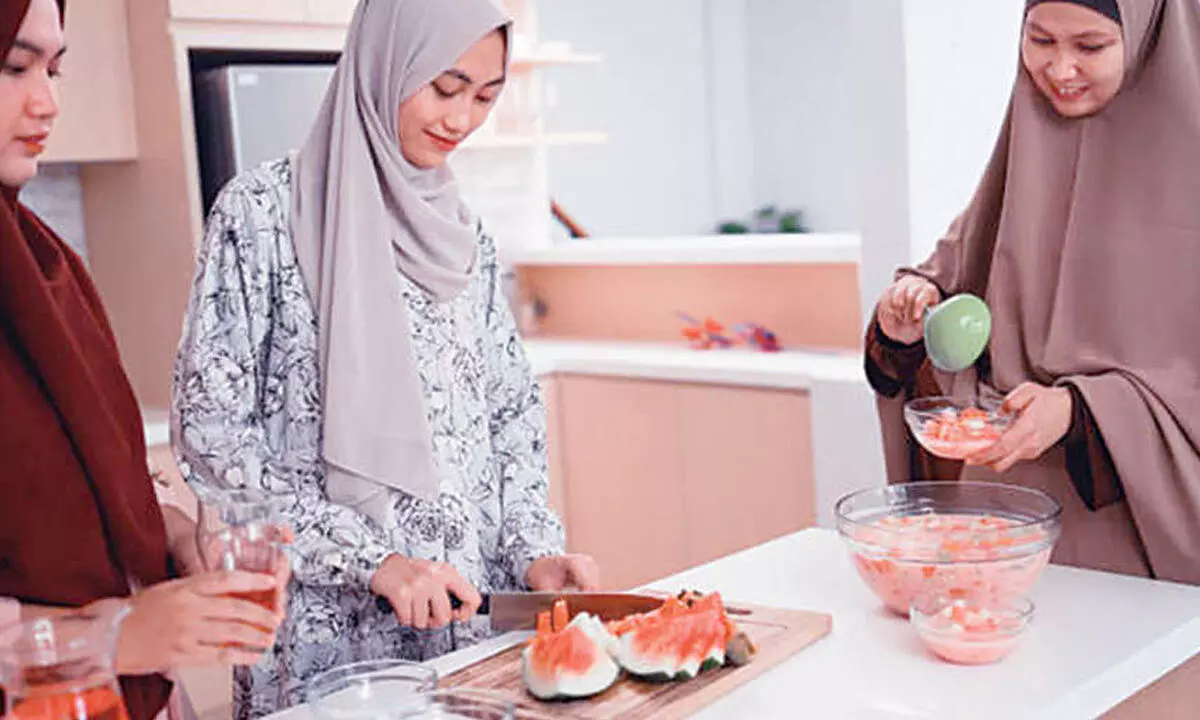
For many people, Iftar looks like a simple family moment. But the preparation for the meal usually starts hours earlier. In many homes, women take the lead in planning the menu, preparing ingredients and making sure everything is ready before sunset.
By the time the call to prayer is heard, the kitchen has already been busy for hours. While the meal may look effortless to others, it represents time, care and patience from the woman who prepared it.
Fasting While Managing Daily Responsibilities
Fasting during Ramadan can be physically challenging, but many women still continue their daily household duties. Even while fasting, they take care of their families and manage household tasks throughout the day.
Work such as cleaning, looking after children and managing daily routines does not stop during Ramadan. As evening gets closer, the focus shifts to preparing Iftar.
Buying ingredients, cutting vegetables, cooking dishes and setting the table usually happen during the final hours before sunset. This time of the day can be very busy and tiring, especially while fasting. Still, many women make sure the family enjoys a comforting meal together.
Keeping Culinary Traditions Alive
Food during Ramadan is not only about breaking the fast. It is also about family traditions and cultural flavours that have been passed down over the years.
Women often help keep these traditions alive. Many recipes come from mothers and grandmothers and are shared with younger family members. Certain dishes are prepared every year during Ramadan, bringing back memories of past celebrations.
Whether it is a warm soup, a favourite snack or a sweet dessert, these dishes help keep family traditions strong.
The Emotional Centre Of Ramadan Gatherings
Women often do more than just cook during Ramadan. They help create the warm and welcoming atmosphere that makes Iftar special.
They make sure children follow routines, elderly family members are cared for and guests feel comfortable. Because of this effort, Iftar becomes a meaningful time for families to reconnect after a long day of fasting.
People share conversations, enjoy the meal and feel grateful for the moment together. Much of the work that makes this possible happens quietly behind the scenes.
Appreciating The Effort Behind The Meal
Ramadan is a time to reflect, show gratitude and care for others. Recognising the effort behind Iftar meals is one way to appreciate the women who prepare them every day.
Families can also share responsibilities such as cooking, setting the table or cleaning after the meal. This makes the work easier and allows everyone to take part in the spirit of Ramadan. Behind every Iftar table is not just food, but the effort, love and dedication of a woman who supports her family throughout the holy month.
-AJ