Time management strategies for FRM aspirants

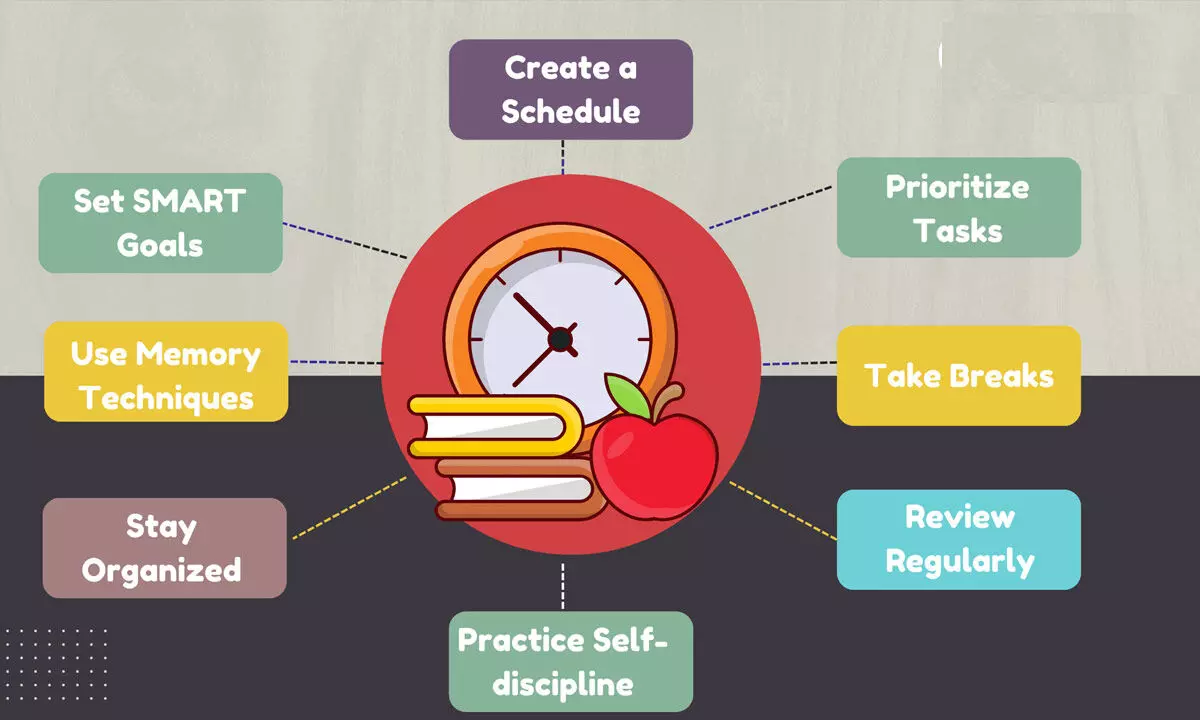
As a finance student or working professional, you must be well acquainted with the professional certification FRM (Financial Risk Manager) offered by The Global Association of Risk Professionals (GARP).
As a finance student or working professional, you must be well acquainted with the professional certification FRM (Financial Risk Manager) offered by The Global Association of Risk Professionals (GARP). The certification exam is conducted in Part I and Part II and is ideal for careers in risk management, compliance, and financial analytics. Though every certification calls for a certain level of preparedness, the FRM exam is historically known for its difficulty level with pass rates ranging from 40%-60%.
Although you can enroll in FRM Part I and Part II without any prior experience, in order to earn your full certification, you need to gain two years of relevant full-time work experience in financial risk management or a similar industry. So whether you are a fresher or a working professional, you need to be diligent once you decide to sit for this exam. Now, with the underlying assumption that you are someone who is juggling work demands, family obligations or academic deadlines, here are a few tips that should help you to manage your prep schedule effectively.
1) Create a realistic not hard study schedule
A well-structured study plan is the cornerstone of effective preparation. Begin by assessing the time available until your exam and divide it into manageable blocks. Allocate specific hours for each subject based on its weightage in the exam syllabus. For instance, topics like Quantitative Analysis and Risk Management hold significant importance in Part I, so prioritize them accordingly. If you’re working full-time, consider studying during evenings or weekends. Incorporate flexibility into your schedule to accommodate unexpected work or personal obligations. Tracking progress through weekly goals can help maintain focus and ensure steady advancement toward your exam readiness.
2) Use time management tools like the Eisenhower Matrix
Leverage tools like calendars, planners, or mobile apps to organize your commitments effectively. The Eisenhower Matrix is particularly useful for prioritizing tasks based on urgency and importance:
● Urgent and Important: Focus on high-priority study tasks like mock exams and weak areas.
● Important but Not Urgent: Schedule long-term goals such as reviewing theoretical concepts.
● Urgent but Not Important: Delegate minor tasks when possible.
● Neither Urgent nor Important: Eliminate distractions like excessive social media use
Additionally, techniques like time blocking, dedicating specific hours solely to studying—can help you stay disciplined during preparation.
3) Pomodoro technique
Burnout is a common challenge for FRM aspirants who are juggling multiple responsibilities. To maintain productivity without exhausting yourself, try the Pomodoro Technique: Work in focused intervals of 25 minutes followed by 5-minute breaks. This method not only boosts concentration but also prevents mental fatigue over long study sessions. Given the widespread use and success of this technique, several Pomodoro app/s are available for easy download.
4) Explore workplace support
If you’re employed full-time, discuss your FRM study goals with your employer. Many organizations recognize the value of professional certifications and may offer support such as flexible working hours, study leave, or reduced workloads during critical exam preparation periods. Leveraging these resources can significantly ease the burden of balancing work and study.
5) Prioritize practice questions
FRM exams emphasize application-based learning rather than rote memorization. Dedicate the last 3–4 weeks before the exam exclusively to solving practice questions under timed conditions. This approach will familiarize you with the exam format, improve time management during the test, and help identify areas that require additional focus.
6) Incorporate self-care into your routine
Amidst intense preparation schedules, neglecting self-care can lead to burnout and reduced efficiency. Ensure you get adequate sleep, maintain a balanced diet, and exercise regularly to keep your energy levels high. Taking short breaks for relaxation or hobbies can rejuvenate your mind and enhance focus when you return to studying.
7) Leverage online resources
Online platforms offering FRM prep materials can be invaluable for aspirants with tight schedules. From video lectures to mock exams, these resources provide flexibility to learn at your own pace while balancing other commitments. Consider enrolling in third-party prep providers if you need additional guidance or structured study plans.
8) Reassess your goals regularly
Life is dynamic, and unforeseen challenges may arise during your preparation journey. Periodically reassess your schedule and adjust it to reflect current priorities without compromising on essential study hours. This adaptability ensures that you remain on track despite external disruptions. While doing so, also make sure to take care of your health. Overexertion results in burnout, which affects performance. Maintaining a balance between employment, school, and general health is crucial for success in the long run.
Remember that consistency is key. Small daily efforts accumulate into significant progress over time. Set specific study hours, and allocate your weekends to deep preparation. Despite all of this, life gets in the way sometimes so adjust your study schedule accordingly. With dedication and strategic planning, earning the prestigious FRM certification will certainly become a rewarding milestone in your professional journey!
(The author is CEO & Co-Founder, Zell Education)
ReplyForward |
Next Story