




- ‘Rangulu Ranguley’ captures Rama and Sita’s love story
- Safeguarding stories for future generations
- Our country needs not only IT professionals but also civil, mechanical chemical engineerings: NIT Rourkela Director
- Backdoor attacks on SMB systems rise 52% in H1 2026: Kaspersky
- Sobha Realty on expansion drive
- Hyundai to jack up capacity to 1.14 mn units, boost localisation
- Office leasing hits record 61 msf in first nine months of 2026
- 15-20% EBITDA growth for ONGC in FY27: S&P
IIT Kanpur study explores faster assessment of antidepressant effectiveness
In Short
According to a statement from IIT Kanpur, the findings could support earlier assessment of treatment response than the conventional four-to-six-week period typically required to evaluate the effectiveness of antidepressants.

Share :
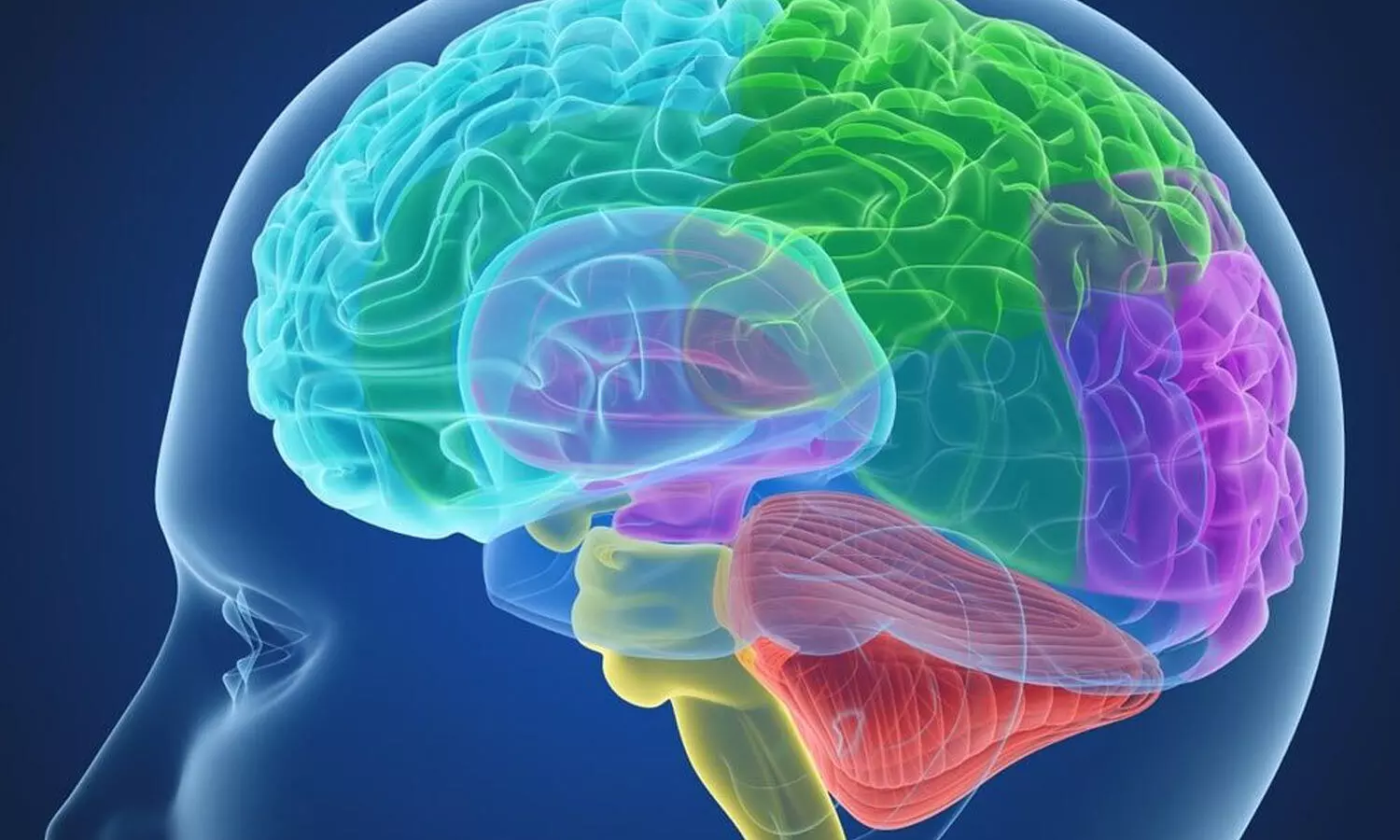
IIT Kanpur study explores faster assessment of antidepressant effectiveness
A joint study by researchers at the Indian Institute of Technology Kanpur (IIT Kanpur) and Ganesh Shankar Vidyarthi Memorial Medical College (GSVM), Kanpur, has explored whether brain and stomach electrical signals, combined with clinical symptoms, can help predict antidepressant treatment outcomes within seven to 10 days of starting therapy.
According to a statement from IIT Kanpur, the findings could support earlier assessment of treatment response than the conventional four-to-six-week period typically required to evaluate the effectiveness of antidepressants.
Depression affects an estimated 5 per cent of adults worldwide and around 4.5 per cent of India’s population. Many patients do not respond adequately to their first antidepressant, making treatment selection a process that can involve several weeks of monitoring and adjustments.
The study examined electrical activity in the brain using electroencephalography (EEG) and in the stomach using electrogastrography (EGG). Researchers combined these measurements with clinical symptom information to investigate whether early biological changes could indicate how patients might respond to treatment. The research involved 206 participants, including 144 patients with depression who had not previously received treatment. Researchers recorded EEG and EGG signals at the beginning of treatment and approximately one week later. They then assessed whether the combined data could predict outcomes measured four to six weeks after antidepressant therapy began.
Dr Pragathi Priyadharsini Balasubramani, Assistant Professor in IIT Kanpur’s Department of Cognitive Science and corresponding author, said the early physiological signals contained information that could help predict treatment response.
Amal Jude Ashwin Francis, a PhD scholar in the department and the study’s first author, said different symptom profiles were associated with distinct patterns of brain and gut activity, potentially helping explain variations in patients’ responses to medication.
During model evaluation, the predictive system identified patients unlikely to respond to treatment with 84 per cent sensitivity and 78 per cent specificity, according to the institute’s statement. Testing on an independent patient cohort yielded 77.3 per cent overall accuracy.
The findings indicate potential for further research into personalised depression care.
However, the model’s performance does not establish it as a replacement for clinical assessment, and further validation would be needed before routine clinical use.IANS
Is Actor Dhanush Eyeing a Political Debut? Will His Next Act Be Cinema, Welfare or Politics?
Cyclone Arnab To intensify To Very Severe Storm, Red Alert For Andhra Pradesh And Odisha
Delhi CM Gupta launches trial run of Namo Yamuna Cruise Safari; service to begin before Chhath Puja
Fire Breaks Out at Delhi’s North Block After Short Circuit, Six Fire Engines Rushed to Spot
Owaisi’s ‘Abdul’ Pitch Irks Akhilesh Yadav. Puts SP on the Defensive
Rahul Gandhi’s convoy vehicles collide on Purvanchal Expressway in UP; several injured


