Learning beyond the books: Equipping students for the real world

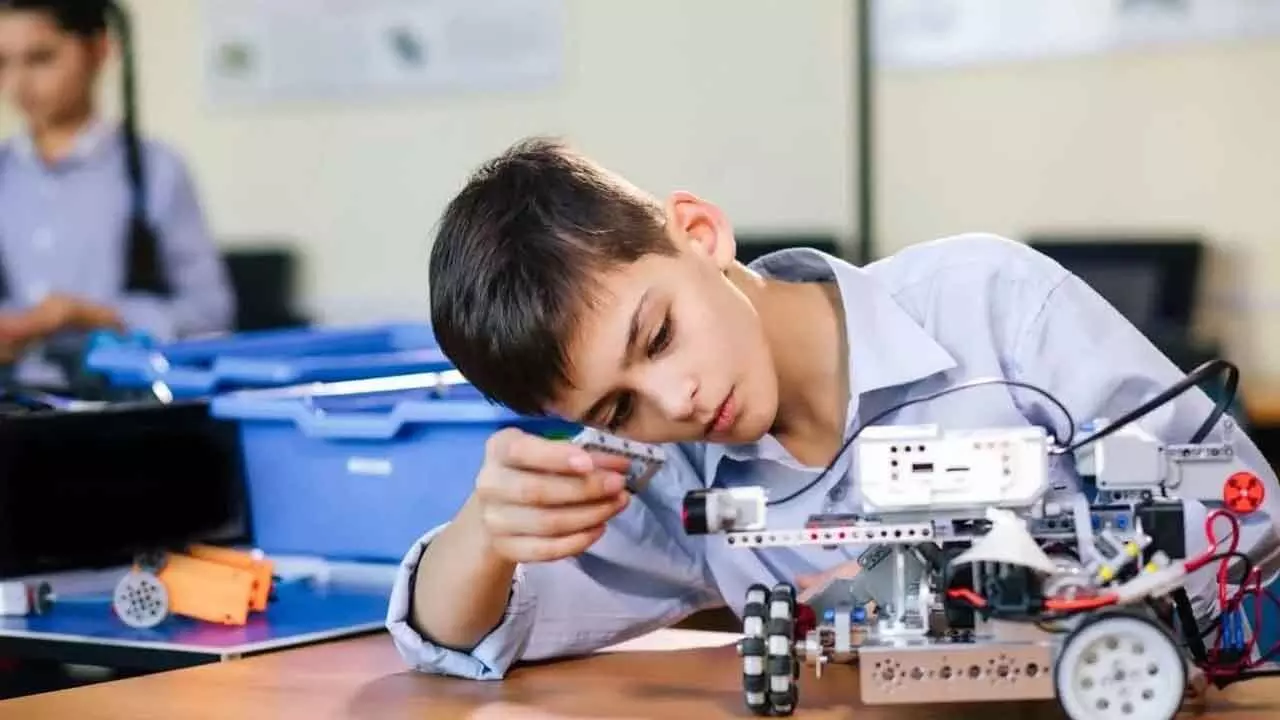
As industries evolve, many graduates find themselves unprepared for real-world challenges despite holding degrees. Employers today seek talent with hands-on technical expertise and essential soft skills. From AI to emotional intelligence, success now demands more than textbook knowledge. It’s time for education systems to bridge the gap—by equipping students with future-ready skills that ensure career success and adaptability in a fast-changing world
Every year, millions of graduates enter the workforce armed with degrees, but many lack the skills needed to thrive in today’s dynamic world.
For decades, universities have focused on academic knowledge. However, as many fresh graduates quickly realize, landing a job and excelling in a career requires much more than theoretical knowledge.
In today’s fast-changing world, employers expect professionals who can think critically, solve problems, communicate well, and adapt to new challenges. The WEF Future of Jobs Report 2025 states that nearly 39% of today’s skills will be outdated by 2030. Yet, most universities still focus on traditional syllabi that don’t equip students with the skills that truly matter in the workplace.
It’s time to bridge the gap between education and real-world success. Students should be learning a new-age suite of technical and soft skills.
When it comes to technical skills, many students lack hands-on experience in high-demand skills. Knowing about AI in theory is different from building an AI-driven application. Learning about cybersecurity is not the same as handling a real-world cyber threat.
Employers are looking for professionals who can apply their knowledge. They want professionals who can execute, innovate, and solve real problems.
According to the Future of Jobs 2025 report by the World Economic Forum, here are the most in-demand technical skills until 2030.
- AI & Big Data – Understanding and working with artificial intelligence, data analysis, and machine learning.
- Programming & Coding – Proficiency in software development, automation, and algorithm design.
- Cybersecurity & Networks – Protecting systems from cyber threats and ensuring secure digital infrastructure.
- Cloud Computing & Data Warehousing – Managing distributed computing systems and large-scale data storage.
- Internet of Things (IoT) & Robotics – Working with connected devices and automation technology.
Success in any career isn’t just about technical skills. Your ability to think, communicate, and adapt plays an even bigger role in long-term growth. Here are a few soft skills companies prioritize:
- Analytical Thinking & Problem-Solving – Companies need employees who can think critically and solve problems independently.
- Creativity & Innovation – The world is changing fast, and businesses value employees who can bring fresh ideas that solve challenges.
- Resilience, Flexibility & Agility – Change is constant. Professionals must learn, unlearn, and relearn throughout their careers.
- Emotional Intelligence & Leadership – Understanding people, collaborating with teams, and leading with empathy is crucial in any job.
- Collaboration & Communication – Strong communicators stand out and can bring great outcomes both individually and as a team.
Additionally, developing an entrepreneurial mindset has become crucial in this new age. Not everyone wants to start a business, but entrepreneurial thinking is valuable in any career. Companies today look for intrapreneurs—employees who think like business owners, take initiative and drive innovation within their roles.
An entrepreneurial mindset teaches students to solve real-world problems creatively and make decisions with calculated risks.
Another important skill in the digital age is Content Creation. The world has shifted online, and content creation is a must-have skill across all industries. Whether you’re an engineer, marketer, educator, or entrepreneur, being able to create, communicate, and share knowledge effectively is a game-changer. Building an online presence on LinkedIn, Twitter, or YouTube is becoming non-negotiable.
Unfortunately, these skills are rarely taught in traditional classrooms. Students often learn them the hard way—through trial and error in their first jobs. But what if we could prepare students before they enter the workforce?
Education must evolve. It’s time to focus on building thinkers, problem-solvers, and leaders—not just graduates. And a system that prepares students not just for jobs—but for life.
(The author is CEO and Co-founder, NxtWave and NIAT)