Glass or Plastic: Which Baby Feeding Bottle Is Better?

Feeding is one of the most meaningful parts of early parenting. Whether it happens during quiet nights or busy daytime routines, every feeding moment shapes a baby’s comfort and sense of security. As parents explore options for a suitable feeding bottle, many discover that the conversation has evolved beyond traditional material comparisons. Today, parents are increasingly seeking safer, plastic-free alternatives that support both feeding comfort and long-term wellbeing.
Modern baby feeding solutions now focus on materials that feel closer to natural feeding, are free from plastic concerns, and fit smoothly into everyday routines. Understanding these newer options helps parents choose baby bottles that align with both safety expectations and feeding needs, especially during the newborn stage.
Why Feeding Bottle Material Matters More Than Ever
A newborn feeding bottle is not just a container for milk. It plays a role in feeding rhythm, digestion, grip comfort, and overall feeding experience. Babies are highly sensitive to texture, flow, and temperature, which means the bottle’s material must support calm, uninterrupted feeding.
Parents today are also more aware of what comes into contact with their baby’s food. This has led to a growing preference for plastic-free feeding solutions made from food-grade materials that feel soft, safe, and familiar during feeding.
Understanding Baby Feeding Bottle Materials
Before choosing a feeding bottle, many parents compare materials to understand their strengths and limitations.
Glass Feeding Bottles
Glass bottles are often valued for being non-reactive and easy to clean. They do not absorb stains or odours, which appeals to parents focused on hygiene. However, they are heavier and can break easily, making them less convenient for night feeds, travel, or independent handling as babies grow.
Plastic Feeding Bottles
Plastic bottles gained popularity due to their lightweight nature and resistance to breakage. Over time, concerns around material wear, frequent replacement, and long-term exposure have led many parents to reconsider them. While safety standards exist, some families prefer alternatives that require fewer compromises.
Silicone Feeding Bottles (Plastic-Free)
Silicone feeding bottles offer a newer, plastic-free option designed to balance safety and comfort. Made from food-grade silicone, these bottles are flexible, lightweight, and durable. Their soft, skin-like texture supports a feeding experience that feels closer to natural feeding, especially during early months.
Glass vs Plastic vs Silicone Feeding Bottles at a Glance
Feature | Glass Bottles | Plastic Bottles | Silicone Bottles |
Weight | Heavy | Lightweight | Lightweight |
Breakage Risk | High | Low | Very low |
Material Safety | Non-reactive | Depends on quality | Food-grade, plastic-free |
Feel During Feeding | Rigid | Rigid | Soft and flexible |
Handling Comfort | Less practical | Easy | Easy with secure grip |
Durability | Fragile | Wears over time | Long-lasting |
Newborn Friendly | Yes | Yes | Yes |
The Rise of Silicone Feeding Bottles
Silicone feeding bottles have gained attention for good reason. Unlike older materials, silicone offers a unique balance of flexibility, safety, and comfort. High-quality, food-grade silicone is free from plastic and harsh additives, making it suitable for babies from the earliest days.
One of the most valued aspects of silicone is its soft, skin-like touch. This texture feels comforting during feeds and supports a more natural latch, especially for babies transitioning between breastfeeding and bottle feeding.
Silicone feeding bottles are also lightweight, easy to handle, and durable enough for everyday use without the risk of shattering or cracking.
How Silicone Supports a Comfortable Feeding Experience
Feeding comfort goes beyond material safety. Babies respond to how a bottle feels in their mouth, how smoothly milk flows, and how much air they swallow during feeding.
Thoughtfully designed silicone feeding bottles often include easy-flow feeder elements and anti-colic systems that help reduce air intake. This supports smoother digestion and minimises discomfort such as gas or colic.
The gentle flexibility of silicone allows the bottle to move slightly during feeding, which helps babies feed at their own pace instead of adjusting to a rigid structure. This can be especially helpful during early feeding stages.
A Care-First Approach to Feeding Design
Some baby care brands focus on blending natural inspiration with practical feeding needs. Baby Forest follows this approach by designing feeding products that prioritize comfort, safety, and ease of use without relying on plastic materials.
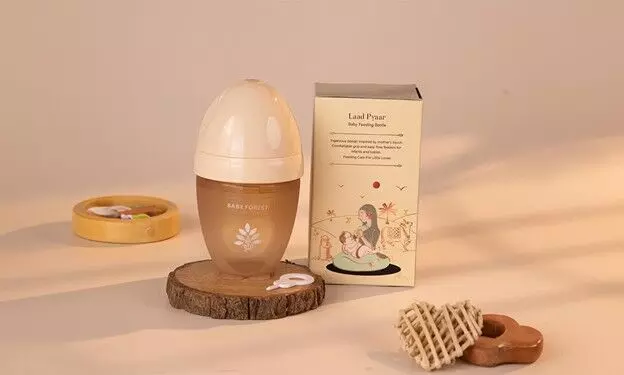
Their Laad Pyaar Baby Feeding Bottle (260 ml) reflects this approach. Made from high-quality, FDA-approved, food-grade silicone, it has a soft, skin-like feel that helps keep feeding sessions calm and comfortable. The ergonomic design allows parents to hold the bottle securely, while the easy-flow feeder supports smooth, uninterrupted feeding.
This kind of design allows feeding moments to feel relaxed rather than rushed, supporting both baby comfort and parent confidence.
Supporting Babies at Different Feeding Stages
As babies grow, feeding patterns change. Early feeds are slower and more frequent, while older infants require slightly faster flow and larger capacity bottles.
Baby Forest’s Laad Pyaar Baby Feeding Bottle and Nipple Combo is designed with this transition in mind. The set includes a smaller bottle with slow flow and a larger bottle with medium flow, along with replacement nipples suitable for different stages of growth.
Dual anti-colic vents help reduce air intake during feeds, supporting smoother digestion. Having multiple flow options within one set allows parents to adjust feeding without changing the overall feeding experience for the baby.
This flexibility makes the combo a practical choice for families looking for continuity and ease during feeding transitions.
Cleaning and Care for Silicone Feeding Bottles
Maintaining hygiene is an essential part of bottle feeding, especially during the newborn phase. Silicone feeding bottles are designed to be easy to clean without compromising material integrity.
Daily cleaning can be done using water at room temperature. For deeper cleaning, the bottle can safely be washed with boiling water, provided it is not immersed for more than three to five minutes. This ensures thorough cleaning while protecting the bottle’s structure.
Parents are advised to avoid metal or hard brushes, as these may damage the surface. Over time, silicone may absorb food colors, which is a normal occurrence and does not affect safety or quality.
When heating milk in a microwave, keeping the lid open is important to prevent pressure buildup and ensure safe warming.
Breastfeeding and Bottle Feeding Can Coexist
It is widely acknowledged that mother’s milk is best for babies, and baby care brands like Baby Forest actively promote breastfeeding. Feeding bottles are intended to support parents when bottle feeding becomes necessary, whether through expressed milk or combination feeding.
Silicone feeding bottles with soft, skin-like textures help bridge the gap between breastfeeding and bottle feeding. Their gentle design supports a familiar feeding sensation, which may help reduce feeding resistance or confusion.
This balanced approach respects breastfeeding while offering parents supportive tools when bottle feeding is part of their routine.
Why Plastic-Free Feeding Matters to Parents
Parents today are increasingly mindful of long-term exposure to everyday materials. Choosing plastic-free baby bottles reflects a desire to minimise unnecessary exposure while still meeting feeding needs.
Silicone offers peace of mind by being durable, safe, and adaptable to daily care routines. Its resilience supports repeated use, cleaning, and temperature changes without compromising performance.
For families focused on mindful parenting choices, plastic-free feeding solutions align naturally with broader care values.
Which Feeding Bottle Is Better?
There is no single feeding bottle that works perfectly for every family, but certain factors help parents make a confident choice. The right bottle should support comfort during feeds, feel safe for everyday use, and adapt as the baby grows. For a newborn feeding bottle, aspects like steady milk flow, ease of grip, and overall feeding comfort matter far more than appearance.
Many parents today prefer baby bottles made from plastic-free materials that feel soft and reassuring in hand. Silicone feeding bottles offer flexibility and durability while allowing babies to feed at a natural pace. Their thoughtful design helps simplify daily routines without adding complexity. Options developed with a care-first approach, such as those offered by Baby Forest, show how the right material and design can come together to support real-life feeding needs calmly and reliably.
Final Conclusion
Feeding bottle choices have moved beyond traditional material debates. Glass is valued for its purity but can be less practical for everyday handling. Plastic offers convenience, yet many parents now question its long-term use.
Plastic-free silicone baby bottles combine comfort, safety, and everyday practicality in a way that suits modern parenting needs. Thoughtfully designed options such as the Laad Pyaar newborn feeding bottle and its stage-supportive combo allow families to approach feeding with greater ease and confidence.
Ultimately, the best feeding bottle is one that supports calm feeding moments, adapts as a baby grows, and lets parents focus on nurturing with trust and care.