January 2026: A Month of Festivals, Faith, and National Pride Across India

January 2026 brings harvest festivals, spiritual observances, and patriotic celebrations, showcasing India’s cultural diversity and shared national spirit.
January in India unfolds as a lively blend of tradition, devotion, harvest gratitude, and national pride. As 2026 begins, the month offers a rich calendar of festivals and observances that reflect the country’s cultural depth and regional diversity. From winter harvest celebrations to days of spiritual reflection and patriotic unity, January sets an energetic and meaningful tone for the year ahead.
A Festive Beginning to the New Year
January in India begins on a celebratory note with the English New Year on January 1. Across metropolitan cities and smaller towns alike, people welcome 2026 with social gatherings, fireworks, and renewed hopes. While not rooted in traditional customs, the occasion has become a popular moment for families and friends to come together and embrace fresh beginnings.
Spiritual Observances Early in the Month
The early days of January carry deep religious importance. Hazrat Ali’s birthday on January 2 is observed by the Muslim community through prayers, sermons, and charitable initiatives, focusing on values of justice and compassion. This is followed by Pausha Putrada Ekadashi, a significant fasting day for Hindus dedicated to devotion and family well-being, especially for those seeking blessings for children.
Honouring Youth and National Thinkers
Mid-month brings a focus on inspiration and youth empowerment. Swami Vivekananda Jayanti is observed with discussions, cultural programs, and reflections on his teachings that continue to guide India’s spiritual and national consciousness. National Youth Day, celebrated soon after, highlights the role of young citizens in shaping the country’s future through responsibility, character, and service.
Harvest Festivals Light Up the Country
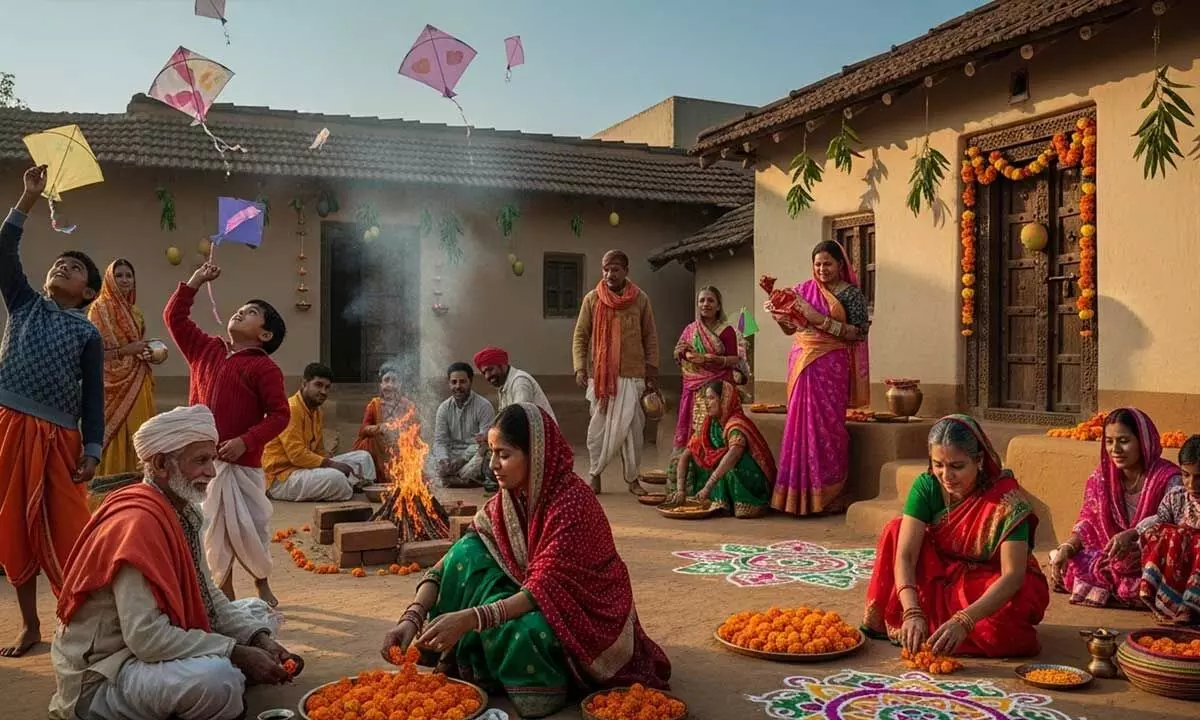
January is synonymous with harvest celebrations across regions. Lohri on January 13 fills northern India with warmth as communities gather around bonfires, sing folk songs, and share traditional foods. The following day, Makar Sankranti is celebrated nationwide in diverse forms, from kite flying to ritual bathing, symbolizing prosperity and new beginnings.
Regional Traditions and Cultural Pride
Southern India celebrates Pongal over four days, expressing gratitude to nature and the Sun God through rituals, festive meals, and community gatherings. Assam marks Magh Bihu with bonfires, feasts, and traditional games, reflecting joy and abundance after a successful harvest season.
Faith, Reflection, and Community Bonding
Guru Gobind Singh Jayanti commemorates the birth of the tenth Sikh Guru, remembered for his leadership, courage, and commitment to equality. Devotees gather in gurdwaras for prayers and community meals. Pausha Purnima later in the month encourages acts of charity and spiritual reflection, with many observing sacred rituals by rivers and temples.
A Nation United in Patriotism
Republic Day on January 26 stands as one of India’s most important national observances. The occasion marks the adoption of the Constitution and is celebrated with grand parades, flag-hoisting ceremonies, and cultural programs that highlight India’s unity and democratic values.
Welcoming Spring and Spiritual Discipline
As the month concludes, Basant Panchami ushers in the early signs of spring and celebrates learning, creativity, and wisdom. Shattila Ekadashi follows soon after, emphasizing devotion, charity, and spiritual cleansing, bringing January’s rich festive journey to a meaningful close.