The Global Rise of Sustainable Timber Architecture

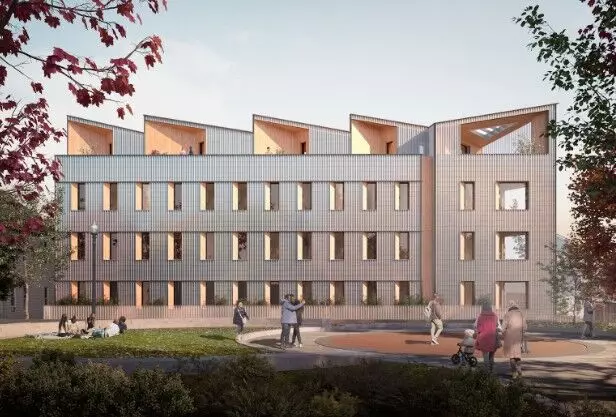
Across continents, architects are embracing timber as a cornerstone of sustainable construction. Its environmental benefits, aesthetic value, and modern engineering capabilities are redefining how we design and build in the 21st century. From Scandinavian schools to Indian eco-resorts, timber is proving that sustainability and style can coexist.
Why Timber Matters
Timber is renewable, energy-efficient to produce, and capable of storing carbon throughout its lifespan. Unlike concrete or steel, which emit large amounts of CO₂ during manufacture, wood locks carbon away—turning each building into a long-term carbon store. This natural advantage has made timber a preferred material for low-carbon architecture worldwide.
Siberian Larch Strength and Character
Siberian Larch has become synonymous with resilience and natural beauty. Its tight grain structure and high resin content allow it to resist decay and moisture, even in challenging climates. It weathers elegantly into a silver-grey tone, requiring little maintenance. Learn more about specifications and performance at Siberian Larch Cladding.
ThermoWood Performance
ThermoWood represents the next evolution in sustainable timber technology. Through controlled heat and steam treatment, the wood becomes dimensionally stable, rot-resistant, and free from chemical additives. This makes it ideal for façades, decking, and interiors in humid or variable climates. Explore full profiles and technical details at ThermoWood Cladding
Architectural Design Opportunities
From minimalist Scandinavian homes to tropical resorts, timber suits nearly every design language. It combines easily with materials like glass, stone, and steel, allowing architects to blend tradition with innovation. Its adaptability makes it equally effective in small-scale residential projects and large public developments.
Sustainability Impact
Timber contributes directly to climate goals. It reduces embodied carbon, supports reforestation, and promotes circular construction. Sustainably managed forests ensure that harvested trees are continuously replaced, maintaining ecosystem balance. The result is a closed-loop material cycle with minimal environmental footprint.
Challenges and Innovations
While fire safety and regulatory challenges once limited timber’s use, new treatments and design strategies have resolved these concerns. Modern building codes now recognise engineered timber’s performance in both structural and cladding applications. Digital fabrication and modular construction further enhance precision and efficiency.
Conclusion
The global return to timber architecture reflects a broader movement toward harmony with the environment. Materials like Siberian Larch and ThermoWood demonstrate that natural resources, when responsibly managed, can meet modern standards of performance, aesthetics, and sustainability. As construction continues to evolve, wood remains one of the world’s most enduring and forward-looking building materials.