




- Delhi CM Rekha Gupta slams Kharge’s objectionable remarks against PM Modi
- Terrorism as instrument of statecraft simply unacceptable, not all states display zero tolerance: EAM Jaishankar
- Arnab cyclone update: NTR District collectors urges officials to be alert
- Kashmir Marathon: J&K L-G calls for nurturing local talent, promoting healthy living
- Europe Braces for Another Weekend of Unrest as Protests Turn Violent in Several Countries
- Trump Says US Could Strike Iran on Sunday, Keeps Door Open for ‘Big, Beautiful Deal’
- Obama tears into Trump over Iran war, tariffs and ‘grifter’ presidency at Ohio rally
- CM Yogi welcomes PM Modi, Rajnath Singh to Varanasi for 'Wings over Ganges' air show
ISRO to expand space ops with 4 launch pads by 2029
In Short
Clarifying that the national space agency will not be privatised, Narayanan emphasised that partnering with private firms was essential to meet surging global and domestic demands for thousands of satellites.

Share :
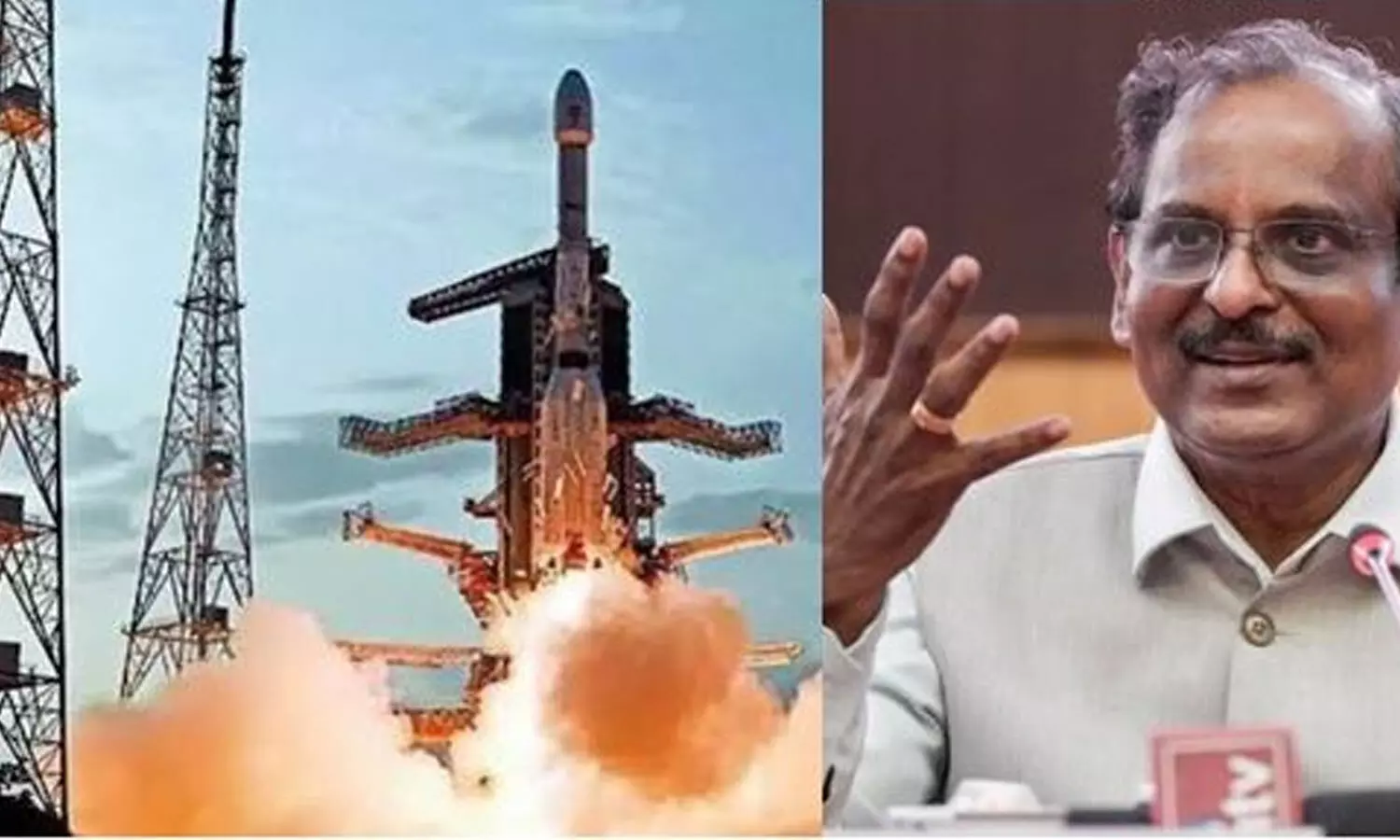
ISRO to expand space ops with 4 launch pads by 2029
Bengaluru: ISRO Chairman V Narayanan has unveiled India's ambitious roadmap for space expansion, including four functional launch pads by 2029 and crucial private sector partnerships, alongside updates on the Gaganyaan mission and a future Chandrayaan-5 lunar collaboration.
He outlined the agency's roadmap, which includes a 2,000-acre dedicated Small Satellite Launch Vehicle (SSLV) complex at Kulasekarapattinam in Tuticorin district to meet the global demand for satellite deployment.
Clarifying that the national space agency will not be privatised, Narayanan emphasised that partnering with private firms was essential to meet surging global and domestic demands for thousands of satellites.
"To handle this expanding ecosystem, ISRO will handhold startups and private enterprises, transferring technological expertise to foster economic growth and generate thousands of high-tech jobs," he said while speaking at a graduation ceremony at a private university here.
"India will expand its space operations significantly with four functional launch pads by 2029, supported by an increasing reliance on private industry partnerships to handle commercial operations," Narayanan said.
The ISRO chief said that the upcoming Kulasekarapattinam spaceport facility will feature crucial infrastructure such as integration buildings, launch
pads, rail-track systems, telemetry, tracking, and command systems. However, he did not elaborate on the other three proposed launch pads.
Stating that ISRO plans to conduct the first uncrewed Gaganyaan test within the next two months, followed by two subsequent uncrewed tests before the crewed mission, he said, "These tests will evaluate environmental control, safety systems, crew escape mechanisms, and module interiors under varying pressure, temperature, and humidity conditions."
He said ISRO successfully conducted approximately 8,000 ground-based experiments for the mission, and four astronaut-designates are currently undergoing specialised training.
Looking further ahead, Narayanan revealed plans for Chandrayaan-5, a collaborative lunar mission with Japan's space agency featuring a 350-kg rover designed to conduct 100 days of surface experiments.
As Fine Paddy Prices Skyrocket… Procuring fine rice for PDS a big challenge for Telangana govt
Cyclone Arnab: AP on alert as IMD warns of severe cyclonic storm
Tummidihetti On Agenda… Revanth to meet Maha CM in Mumbai today
The death of modesty: How political entitlement is rotting the republic
Bringing the scourge of famine to the spotlight is a good augury
Govt must engage with Rahul; Congress leader must oblige traders


