




- PM to inaugurate Namma Metro Pink Line on Nov 15
- Urban apathy dents polling percentage in Tirupati district
- Second Vande Bharat Sleeper train to connect B’luru and Mumbai via Hubballi: Vaishnaw
- DG Prisons shifted as OSD Home
- PM, Saini greet people of Har on Foundation Day
- Yogi targets Nehru over ‘failure’ to defend Chauri Chaura heroes
- Man wanted in 1998 murder case held after being 26 yrs on the run
- Another cyclone Murasu threat looms over AP
Food joints tickle IT hub’s taste buds but blink at hygiene steps
In Short
As street food around Hyderabad’s IT hubs rapidly expands to meet the demand of late-night tech workers, rising concerns emerge over FSSAI safety and hygiene compliance.

Share :
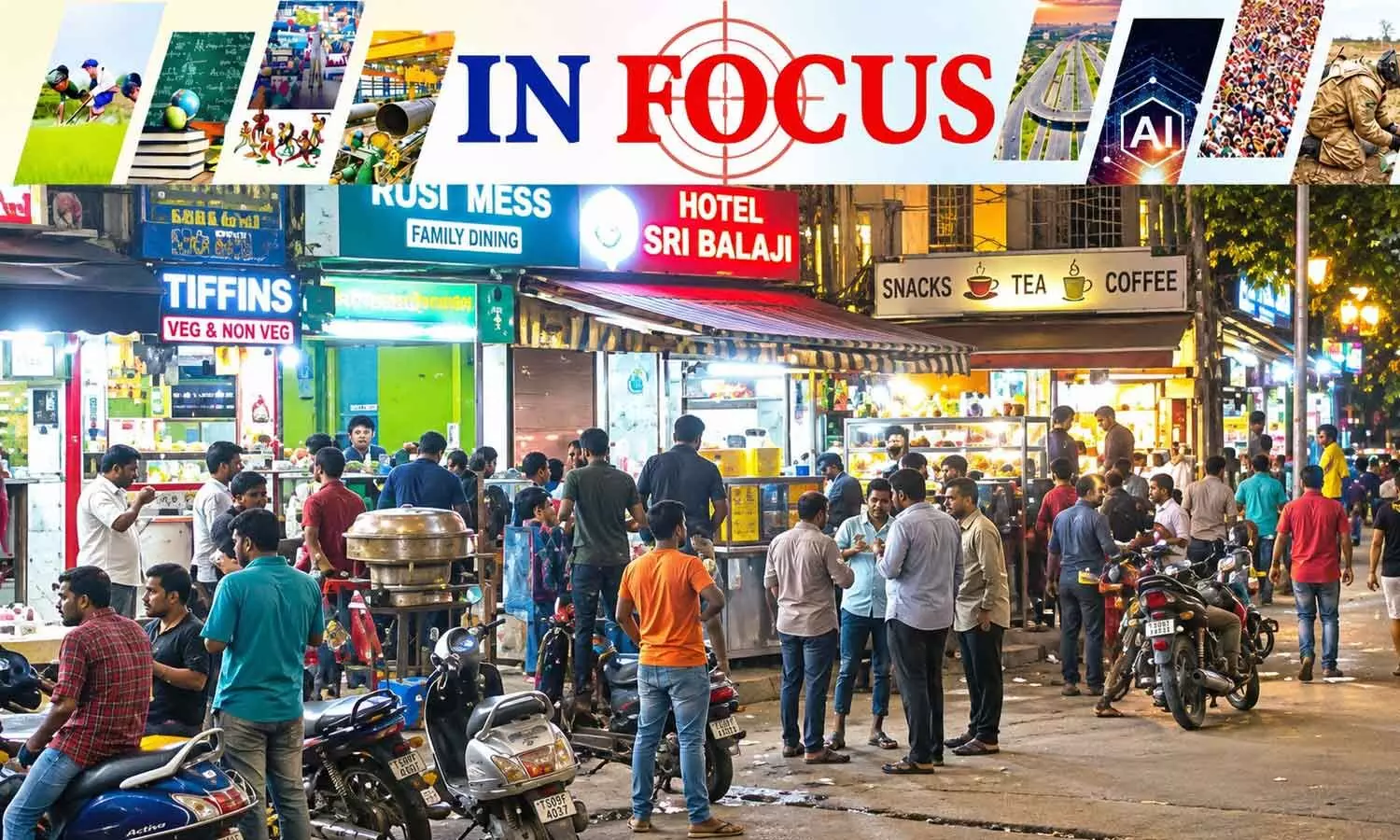
Food joints tickle IT hub’s taste buds but blink at hygiene steps
Hyderabad: From steaming idlis and crispy dosas to shawarma, momos, rolls, and an elaborate spread of fusion snacks, street food around Hyderabad’s IT hubs has undergone a remarkable transformation. Areas such as Madhapur, HI-TEC City, Gachibowli, and Kondapur have emerged as bustling food destinations, catering to thousands of IT employees looking for quick, affordable, and convenient meals during busy workdays. Once dominated by roadside tea stalls, tiffin centres, and small eateries, the present-day food joints in these areas have evolved into a diverse food ecosystem.
Food trucks, compact takeaway outlets, cloud kitchens, and modern street-food stalls are now competing for customers. Chinese-style noodles, grilled sandwiches, burgers, fried chicken, panipuri and a variety of regional delicacies are available at almost every busy junction. The changing work culture,attributed mostly to 24/7 operations of many firms, has played a major role in this evolution. Employees working late shifts often depend on street vendors for dinner, while those with limited lunch breaks prefer quick meals close to their offices. Online food delivery platforms have further expanded the market, allowing small vendors to reach a wider customer base.
Street-food vendors are increasingly experimenting with new flavours, presentation, and pricing. Traditional snacks are being combined with international cuisines, while some stalls focus on millet-based dishes, healthier alternatives, and customised meals. Digital payments, online promotions, and social media publicity have also helped vendors attract younger customers. However, the rapid expansion of this food economy raises an important question: is food safety keeping pace with the industry’s growth?
Food safety remains a concern wherever large numbers of meals are prepared and sold in crowded public spaces. Improper food storage, inadequate access to clean water, poor hygiene, uncovered ingredients, unhygienic utensils and the reuse of cooking oil can pose health risks. Food kept at unsafe temperatures may also encourage bacterial growth.
Under India’s Food Safety and Standards Act, 2006, food businesses are required to comply with applicable safety and hygiene standards. Depending on their scale and nature, vendors must obtain the appropriate registration or licence from the Food Safety and Standards Authority of India (FSSAI). Authorities can inspect establishments, collect samples, and take enforcement action when violations are identified.
Experts generally recommend clean food preparation areas, safe drinking water, proper waste disposal, fresh ingredients and hygienic handling practices.
Modi conspiring to retain power with vote chori: CM Revanth
Cyclone Murasu: Heavy rain alert for Telangana
Pushback against unilateral decisions: Shake-up on the cards in TG edn dept wings?
Pressing need for restoring normalcy in trouble-torn Manipur
Modern western revolutions hold universal lessons
“If you see something, say something” ethos can safeguard schools


