India pledged zero-tariff barriers in US deal: Trump

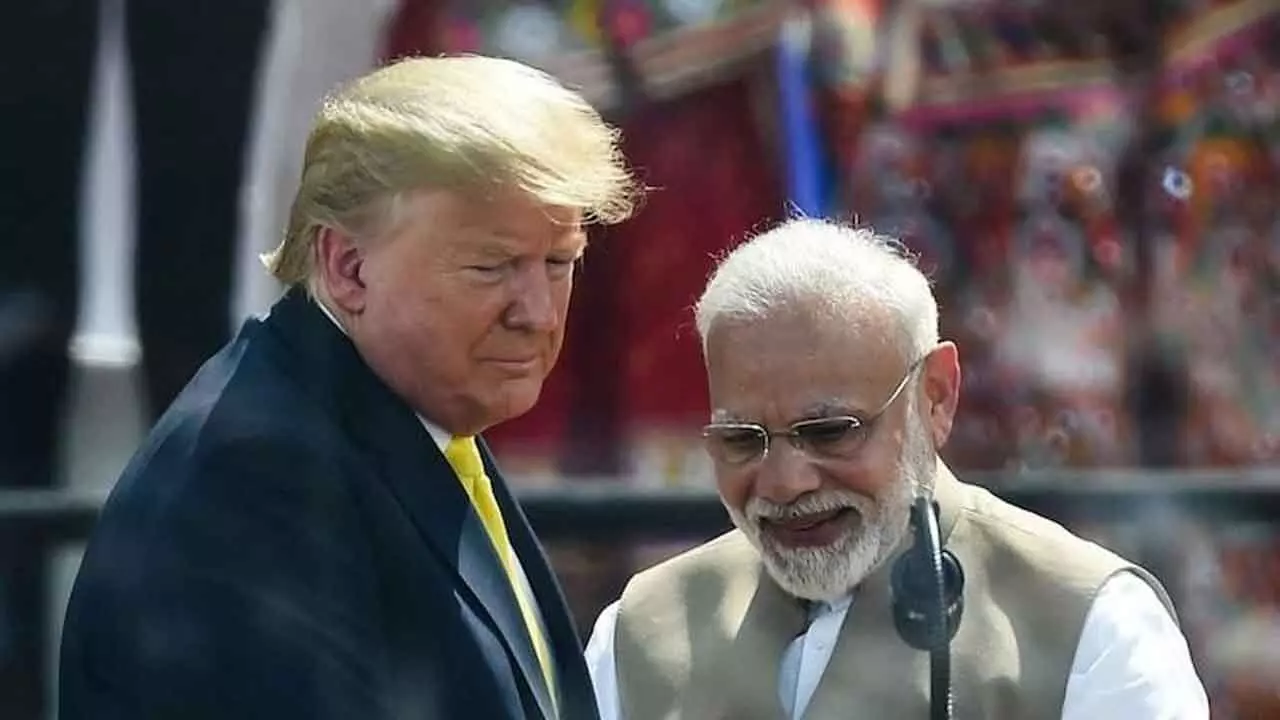
Washington: US President Donald Trump has announced the US-India trade deal, pledging to slash tariffs on Indian goods to 18 per cent from 25 per cent, bringing an end to months of uncertainty.
A lot remains unclear about the terms of the deal, but Trump said New Delhi has agreed to several measures, including stopping Russian oil trade, reducing tariffs and non-tariff barriers to "zero", and buying over $500 billion of US goods, including energy, technology, agricultural products, and coal.
Tariff barriers are taxes levied on imported goods, making them more expensive to protect local industries. Non-tariff barriers, meanwhile, are indirect restrictions like quotas, subsidies, licensing, standards, and labelling rules that limit trade without direct taxes, often through complex regulations, costs, or delays, affecting quantity, price, or market access.
Both aim to support domestic economies, but tariffs are explicit taxes, whereas non-tariff barriers use policy and procedures, making them more subtle and complex.
Trump's claim that India has agreed to "reduce tariffs and non-tariff barriers against the United States, to ZERO", has not been confirmed by New Delhi. Moreover, both parties have not explained on which lines the barriers would be reduced, if at all, to zero. Largely, Trump's language signifies an in-principle commitment to lower or phase out duties on selected US products rather than an immediate elimination of all import duties.