Iran Opens Land Routes For Indian Student Evacuation As Over 10,000 Remain Stranded

- Iran permits Indian students to exit via land borders to Azerbaijan, Turkmenistan, and Afghanistan amid airspace closure.
- India considers evacuation operation as Israeli strikes continue targeting Iranian cities.
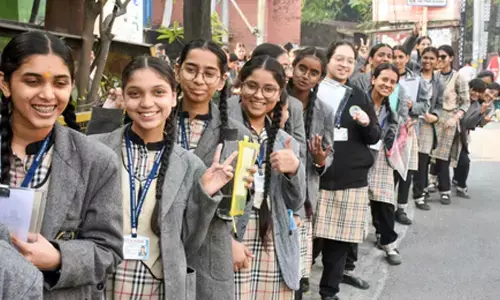
Iran has responded positively to India's diplomatic request by offering land border crossings as an alternative evacuation route for thousands of Indian nationals stranded in the country, following the closure of Iranian airspace due to ongoing military operations. Tehran has specifically indicated that students and other Indian citizens can utilize border crossings into Azerbaijan, Turkmenistan, and Afghanistan to safely exit the country.
The development comes as India actively considers launching a comprehensive evacuation operation to assist its nationals trapped in Iran, where Israeli military strikes have intensified across major urban centers. The situation has left more than 10,000 Indian students and other nationals in a precarious position, unable to leave through conventional air travel routes.
The Indian Embassy in Tehran has maintained continuous surveillance of the evolving security landscape while actively engaging with students throughout Iran to monitor their wellbeing and safety. Embassy officials have been facilitating the relocation of students to more secure areas within Iran when circumstances permit, while simultaneously exploring additional viable options for their protection and eventual evacuation.
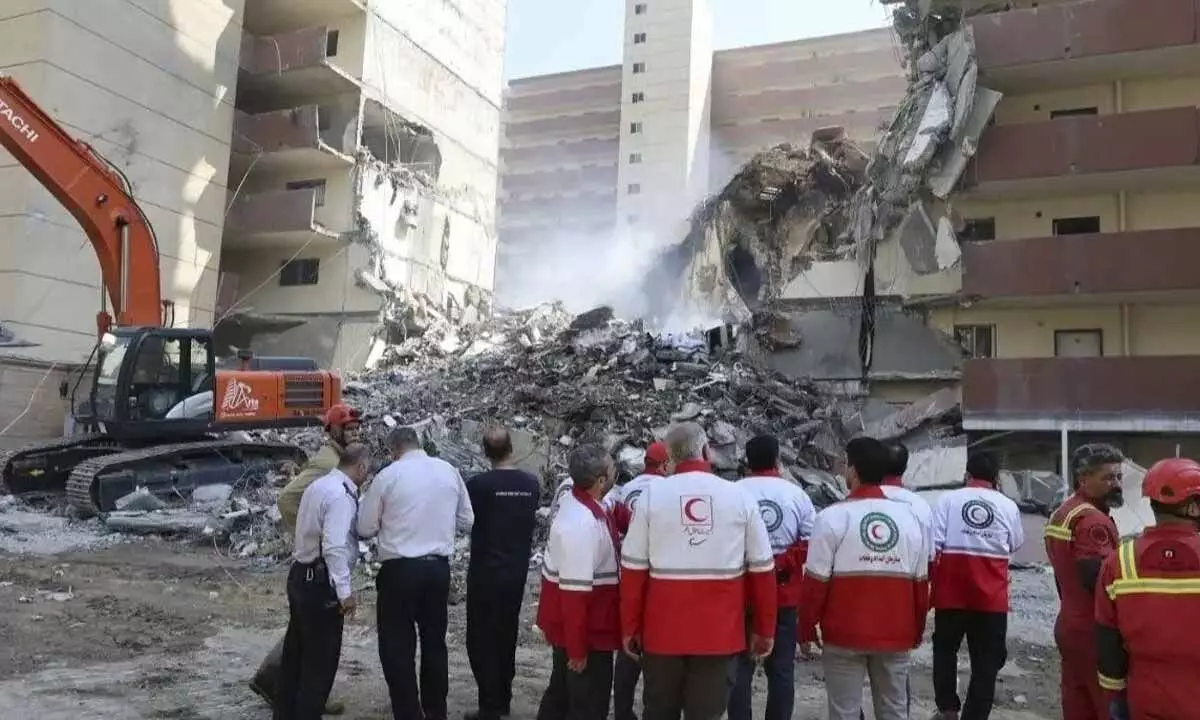
The urgency of the situation became apparent following a recent incident at Tehran University of Medical Sciences, where an attack near the international students' dormitory resulted in injuries to two Indian students from Kashmir. Both students are reported to be in stable condition and have been relocated to Ramsar by university authorities as a precautionary safety measure.
The psychological toll on stranded students has become increasingly evident through firsthand accounts of their experiences. Imtisal Mohidin, a 22-year-old medical student from Handwara in Jammu and Kashmir, described the terrifying reality of their situation to news agency ANI. Currently enrolled at Shahid Beheshti University in Tehran alongside over 350 other Indian students, Mohidin recounted being awakened at 2:30 AM on Friday by intense explosive sounds that forced students to seek shelter in basement areas.
The student's account reveals the severe impact on their daily lives, with continuous sleepless nights spent in basement shelters while explosive sounds echo throughout the city. Mohidin specifically mentioned that some explosions occurred as close as five kilometers from their location, creating an atmosphere of constant fear and uncertainty.
Political leaders from Jammu and Kashmir have stepped forward to advocate for their constituents' safety. The Jammu and Kashmir Pradesh Congress Committee has directly appealed to External Affairs Minister S. Jaishankar, requesting immediate evacuation arrangements for students from the Union Territory as the conflict between Tel Aviv and Tehran continues to escalate.
JKPCC President Tariq Hameed Karra emphasized the critical nature of the situation through social media, calling for urgent governmental action to prioritize student safety, provide comprehensive support systems, and ensure their secure return to India. Similarly, the opposition Peoples Democratic Party has taken proactive steps by sharing Indian Embassy contact information, including WhatsApp numbers and phone lines, to help stranded Kashmiri students establish communication with diplomatic officials.
The crisis highlights the significant number of students from Jammu and Kashmir who have traveled to Iran to pursue professional education, particularly in medical fields, across various Iranian universities. These students now find themselves caught in an international conflict zone, dependent on diplomatic negotiations and evacuation efforts for their safe return home.