Delhi govt ends busy year amid unfulfilled promises

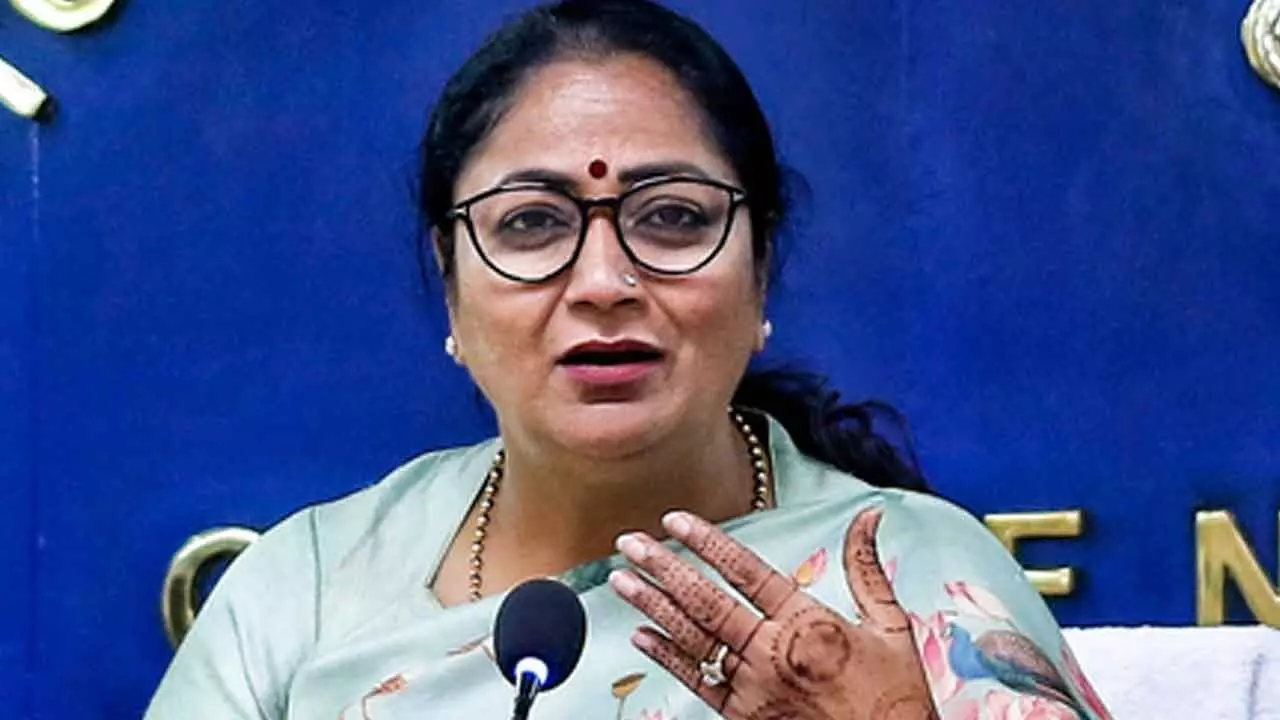
New Delhi: TheBJP, which returned to power in Delhi after 27 years, ends 2025 with parts of its poll promises fulfilled, leaving Chief Minister Rekha Gupta with her work cut out for many months to come.
After ending the decade-long AAP rule earlier in the year, the BJP-led dispensation moved quickly to roll out the Ayushman Bharat health insurance scheme in the capital. The recent launch of Atal Canteen offering subsidised meals to construction workers, daily wagers, and slum-dwellers at Rs 5 is another poll promise that has been fulfilled. At the same time, the chief minister acknowledged that several headline poll commitments remain on the drawing board.
Among the most closely watched promises is the Mahila Samriddhi Yojana, under which the BJP pledged a monthly assistance of Rs 2,500 to economically weaker women.
LPG cylinders at Rs 500 and two free refills annually, during Holi and Diwali, are still hankered after by the city residents.
Governance outreach was something that the Gupta government stressed right from the time it came to power. The chief minister personally led weekly Jan Sunwai programmes at her official residence, Mukhyamantri Jan Sewa Sadan, positioning these meetings as a platform to address citizen grievances.
Administrative restructuring saw the creation of two new districts, taking Delhi’s total to 13, to improve service delivery.
However, the government struggled with chronic issues like severe winter air pollution, as short-term measures offered limited relief. In education, it proposed a law to regulate private school fees. Health initiatives included Ayushman Arogya Mandirs, the Vaya Vandana Yojana for the elderly, and plans to complete 11 hospitals, adding over 10,000 beds.
Infrastructure remained central to the BJP-led Rekha Gupta government’s agenda. Rekha, who also holds the finance portfolio, presented a Rs 1 lakh crore budget for 2025-26 focusing on roads, drinking water and Yamuna rejuvenation. The government secured Rs 800 crore from the Central Road and Infrastructure Fund, with plans to repair 500 km of roads by March 2026.
Environmental clearances were obtained for long-pending projects like Barapullah Phase-III and the Nand Nagri flyover, while a 55-km elevated Ring Road entered the feasibility stage.
A drainage master plan was unveiled to tackle waterlogging, alongside a one-time water bill surcharge waiver. Yamuna cleaning gained momentum through a 45-point action plan, with projects worth over Rs 1,800 crore launched under ‘Sewa Pakhwara’.
As Delhi prepares to step into 2026, the Rekha Gupta government stares at a defining phase, with major welfare promises yet to be rolled out and civic issues continue to test governance capacity.