India Braces For Economic Impact As US Tariffs Rise, But Recovery Expected Soon

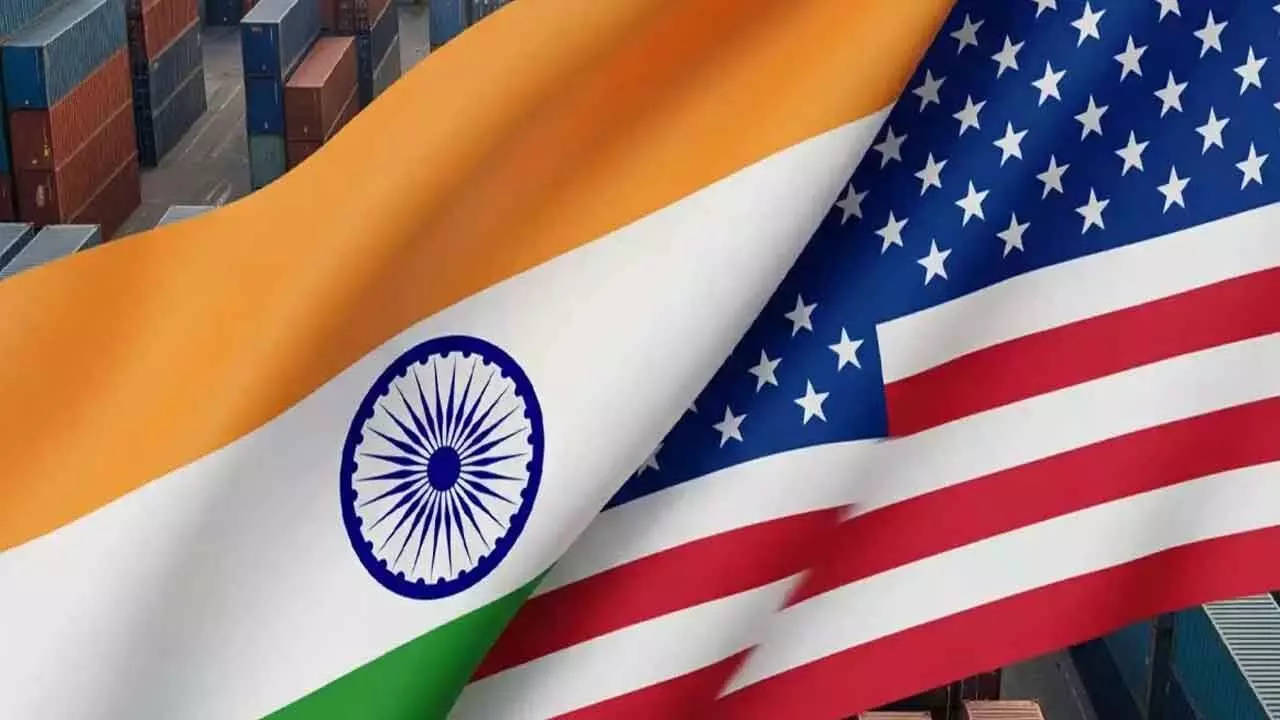
India's Chief Economic Advisor predicts short-term GDP impact of 0.3-0.5% from Trump's 25% tariff increase, but expects quick resolution and economic recovery through domestic measures.
India's Chief Economic Advisor V Anantha Nageswaran has acknowledged that the recent 25 percent tariff increase imposed by US President Donald Trump, bringing total tariffs on Indian exports to 50 percent, will create significant business challenges and impact the country's economic growth in the coming quarters.
Speaking at an Express Adda event in Mumbai, Nageswaran indicated that the effects of this trade measure would primarily be felt during the second and third quarters of the current financial year. However, he expressed optimism that the tariff policy would not persist long-term, citing expectations of policy adjustments from the US side as the current approach may prove counterproductive for bilateral relations.
The economic expert projected that the tariff impact could reduce India's real GDP growth by approximately 0.3 to 0.5 percent this year. This comes at a time when India's GDP reached a five-quarter peak of 7.8 percent in the April-June 2025 period, with the Reserve Bank of India forecasting 6.5 percent growth for the full fiscal year.
Nageswaran explained that since exports during the first four months through August occurred before the tariff implementation, the full economic impact would be concentrated in the latter half of the financial year. He warned that if the tariff situation continues into the next fiscal year, it would pose substantial challenges for both employment and GDP growth.
The advisor highlighted the competitive pressures India faces in seeking alternative export markets, particularly with China also redirecting its exports from the US market. Chinese companies' ability to offer financing, extended payment terms, and competitive pricing makes them formidable competitors in third-country markets, increasing India's reliance on domestic growth drivers.
Despite these challenges, Nageswaran pointed to positive indicators suggesting the US may reconsider its tariff strategy. He noted mixed messaging from American officials in recent days and suggested that higher tariffs on India were not achieving their intended objectives and were becoming counterproductive.
To offset the export losses, the government has announced reductions in GST (Goods and Services Tax) rates, which Nageswaran believes will stimulate domestic consumption. While acknowledging uncertainty about whether this measure would fully compensate for export losses, he expressed confidence it would provide significant offsetting benefits.
The Chief Economic Advisor outlined potential government interventions to support affected sectors, including working capital assistance, cash flow support, payment deferrals, and emergency credit relief similar to measures implemented during the COVID-19 pandemic. He advised companies to focus on covering variable costs and maintaining production to avoid layoffs during what he expects to be a temporary disruption.
Regarding concerns about state revenue losses from GST rate reductions, Nageswaran argued it was premature to assume negative impacts. He noted that the GST system had provided states with revenue protection during previous economic challenges and suggested that rate reductions could stimulate increased economic transactions, potentially offsetting lower rates through higher volumes.
India has been strengthening its economic relationship with the US through increased purchases of American fuel and defense products, along with substantial overseas direct investment by Indian businesses in the US market over the past two decades. Nageswaran emphasized that India would continue its existing strategies rather than reactively responding to tariff pressures, expressing confidence that sustained engagement would lead to policy recalibrations from the American side.
The economic advisor's assessment reflects cautious optimism that current trade tensions represent a short-term challenge rather than a permanent shift in US-India economic relations. His emphasis on domestic policy measures and continued bilateral engagement suggests India's strategy focuses on weathering temporary disruptions while maintaining long-term relationship stability.