




- Stalin condemns former minister’s arrest
- ‘Rangulu Ranguley’ captures Rama and Sita’s love story
- Safeguarding stories for future generations
- Our country needs not only IT professionals but also civil, mechanical chemical engineerings: NIT Rourkela Director
- Backdoor attacks on SMB systems rise 52% in H1 2026: Kaspersky
- Sobha Realty on expansion drive
- Hyundai to jack up capacity to 1.14 mn units, boost localisation
- Office leasing hits record 61 msf in first nine months of 2026
Govt draws up roadmap for urban sector reforms
In Short
Delivering the closing remarks, Union Minister of Housing and Urban Affairs Manohar Lal emphasised the importance of affordable housing near employment centres and public transport, circularity in construction practices, and the scientific remediation of legacy waste.

Share :
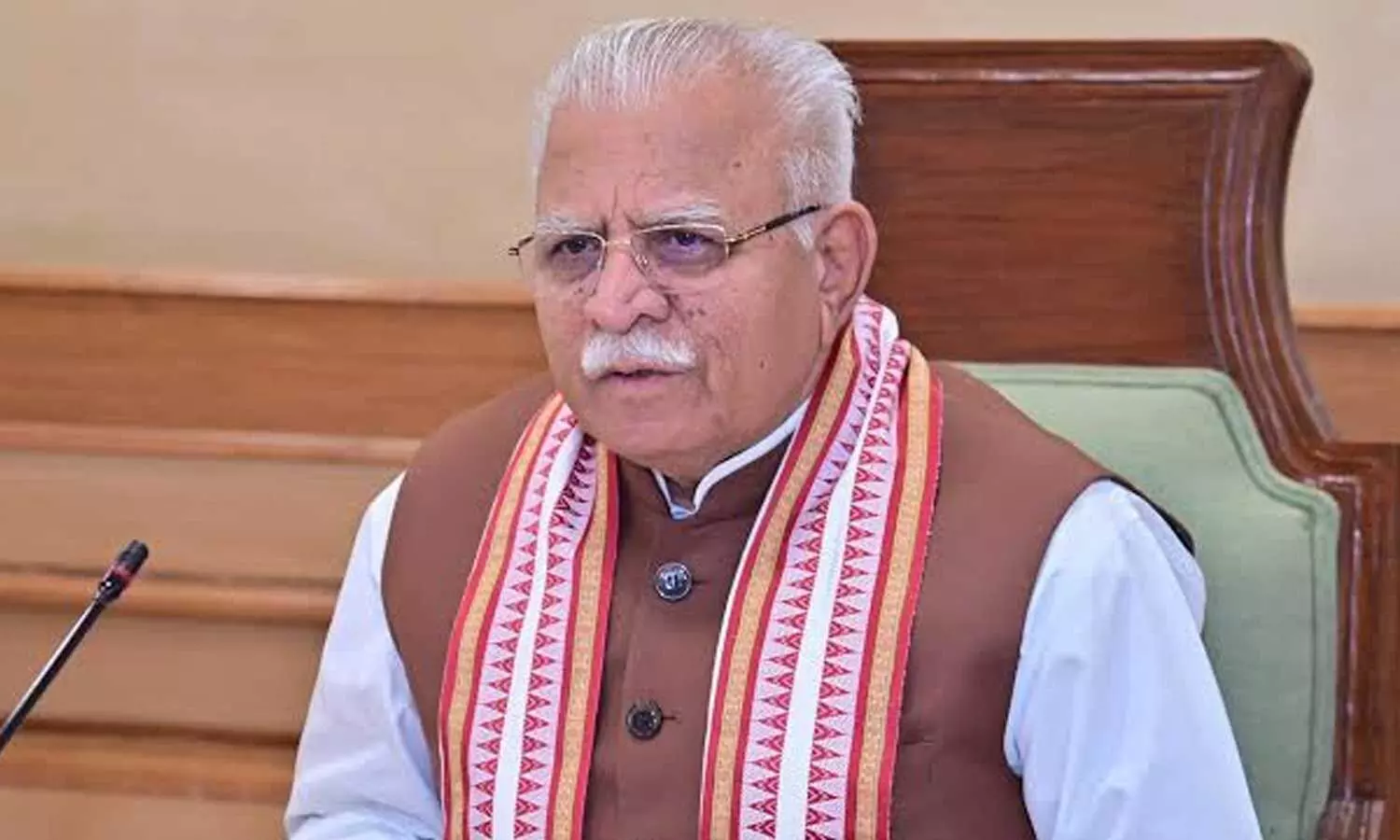
Union Minister of Housing and Urban Affairs Manohar Lal emphasised
Bhubaneswar: The National Urban Conclave 2026 concluded in Bhubaneswar on Sunday with actionable recommendations to strengthen urban governance, stronger institutional capacity, integrated planning, sustainable financing, and accountable service delivery.
Delivering the closing remarks, Union Minister of Housing and Urban Affairs Manohar Lal emphasised the importance of affordable housing near employment centres and public transport, circularity in construction practices, and the scientific remediation of legacy waste. Noting that over half of the country’s legacy waste has been remediated, he stressed the need to sustain these efforts and prevent the accumulation of new waste, ensuring that India’s urban transformation remains inclusive, sustainable and future-ready.
He said that the intent of the Conclave was to deliberate on the future challenges of cities. He highlighted the progress achieved through national missions, including AMRUT, Swachh Bharat Mission–Urban and PM SVANidhi, in expanding water and sanitation services, improving waste management, strengthening urban mobility and promoting financial inclusion.
Urban Development Secretary Satendra Singh reflected on the key outcomes of the seven technical sessions and emphasised the need to translate policy deliberations into practical, implementable urban solutions. Discussions were held across seven technical sessions at the conclave to outline key reforms for building inclusive, resilient and future-ready cities. The conclave brought together representatives from the Union and State governments, urban local bodies, industry, academia and knowledge institutions to identify practical solutions for India’s evolving urban challenges.
The session on ‘Right to Walk’ addressed fragmented pedestrian spaces, poor accessibility, inadequate planning integration, unclear institutional responsibilities, and funding gaps. The session recommended institutionalising the ‘Right to Walk’ in statutory plans, securing pedestrian right-of-way, strengthening ULB capacity and accountability, prioritising infrastructure quality and maintenance, adopting inclusive, community-led design, integrating pedestrian facilities into all street projects, and establishing dedicated financing mechanisms.
The session on ‘Water, Waste and Resource Efficiency’ recommended integrating water, wastewater and solid waste planning, shifting towards outcome-based service delivery, strengthening performance monitoring and lifecycle maintenance, while the one on ‘Affordable Housing – Demand and Supply Dynamics’ recommended reserving land for affordable housing, integrating housing with transit and employment centres, developing viable rental and transit housing models and introducing single-window approvals.
The ‘Integrated Urban Development and Infrastructure Delivery’ session recommended integrating spatial and infrastructure planning through shared GIS-based databases, promoting corridor-based and transit-oriented development, as well as aligning investments across sectors.
Is Actor Dhanush Eyeing a Political Debut? Will His Next Act Be Cinema, Welfare or Politics?
Cyclone Arnab To intensify To Very Severe Storm, Red Alert For Andhra Pradesh And Odisha
Delhi CM Gupta launches trial run of Namo Yamuna Cruise Safari; service to begin before Chhath Puja
Fire Breaks Out at Delhi’s North Block After Short Circuit, Six Fire Engines Rushed to Spot
Owaisi’s ‘Abdul’ Pitch Irks Akhilesh Yadav. Puts SP on the Defensive
Rahul Gandhi’s convoy vehicles collide on Purvanchal Expressway in UP; several injured


