Moneylenders refuse loans to farmers

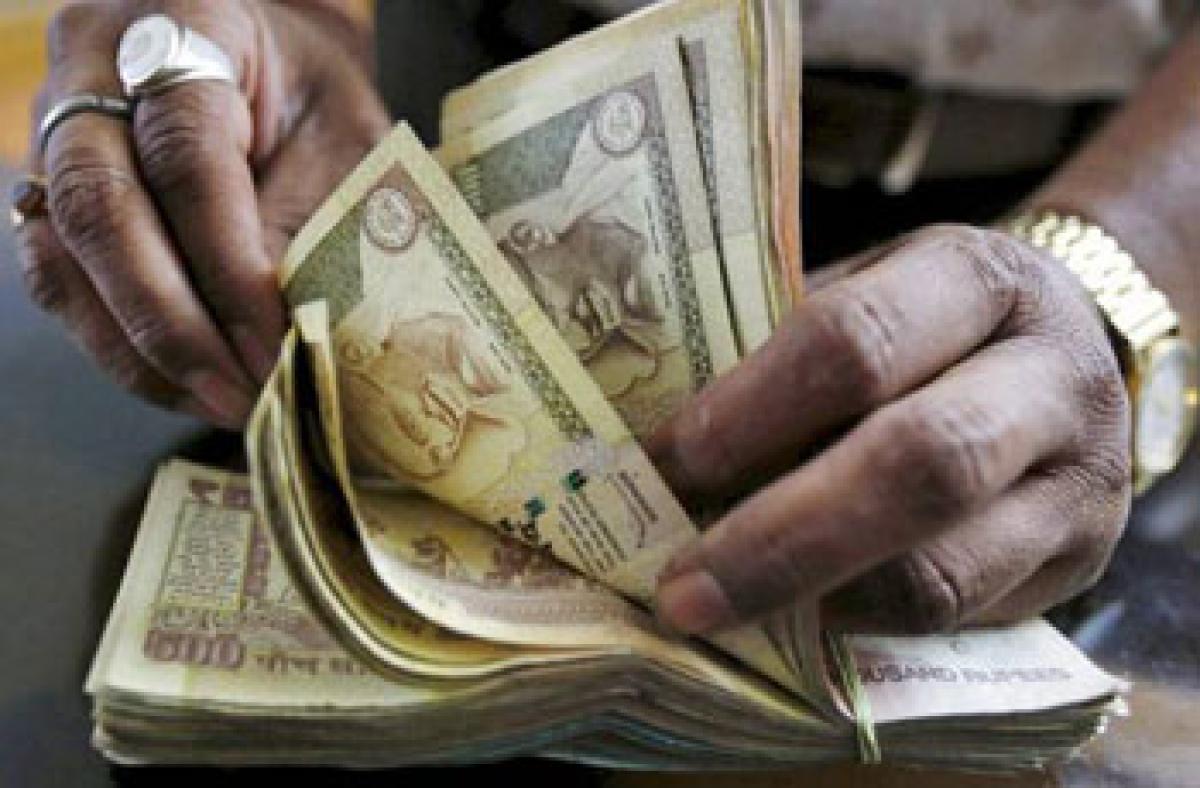
Without financial support, the tenant farmers are finding it difficult to raise crops in rabi. There are about 20-25 lakh tenant farmers in the State. Informal credit is thriving in the State due to the government failure in directing credit to them through formal sources, contends B Balaram, Member of AP State Tenant Farmers’ Association
 Vijayawada: Gurvala Sitaram Reddy’s happiness knew no bounds when he was given the Loan Eligibility Card (LEC) on August 15, 2015. The loan eligibility card is the State government’s promise to sanction loans quickly to tenant farmers without any collateral. But, Sitaram Reddy’s hopes were shattered after the banks denied him loans even after multiple visits.
He is a tenant farmer who cultivates on a leased land of 3 acres in Ganapavaram mandal in West Godavari district. “I have lost hope in getting a loan from the bank. I usually need Rs 15,000 to cultivate the land and I always borrow the money. Now with the surfacing of the call money racket case, many moneylenders here are refusing to give me any loan,” he bemoaned.
Tenant farmers like him across the State are running from pillar to post to secure loans for the rabi season. Speaking to The Hans India, Agriculture Minister Prathipati Pulla Rao admitted that there is definitely ‘some’ impact of the call money scam on private money lending for agriculture in rural areas. He added that as the bank access is limited for the landless poor, private money lending has become the prime alternative for agricultural operations.
“Where banks failed to reach out, moneylenders filled those gaps. We cannot wish away the existence of money lenders without ensuring bank access to everyone,” the Minister pointed out.
G Veera Prasad, an ex-NABARD official said,”The private money lenders got the jitters after the police raids on moneylenders in the wake of the call money racket. They are reluctant to give out loans fearing the police.”
Tulase Ludia Grace, is a woman farmer in Palakoderu mandal, West Godavari district. Her father-in-law, Tulase Ramakrishna, committed suicide a month ago after a crop failure fearing the creditors.
“He borrowed around Rs 3 lakh which constantly haunted him. We requested him to quit farming but he would not budge. He loved farming which took his life in the end,” she choked.
When asked why she did not switch to any other means of livelihood, she said she did not have a choice. She said they borrowed some money for raising seed beds and now she is not sure if anyone would lend her more money for the next phase (i.e transplantation).
The loan waiver promised by the Naidu government did not translate into reality in most of the cases. The State government could only facilitate a waiver of Rs 7,500 crore out of a total Rs 80,000 crore so far. Those who failed to clear dues have been denied fresh loans by the banks.
Consequently, the marginal and tenant farmers are left with no choice but to seek loans from private moneylenders at exorbitant interest rates. Many private moneylenders are reluctant to give out loans to these farmers after the recent call money scandal. There are about 20-25 lakh tenant farmers in the State after bifurcation.
B Balaram, representing the AP State Tenant Farmers’ Association, contended that the informal credit is thriving in the State only on account of government’s failure in directing credit to them through formal sources.
“In this scenario, their only ray of hope to go ahead with cultivation in the rabi season comes from the private moneylenders, who are unwilling to give loans in the wake of call money issue,” he added.
Next Story