Elon Musk’s xAI Faces Backlash Over Biometric Data Use for Flirtatious Chatbot ‘Ani’

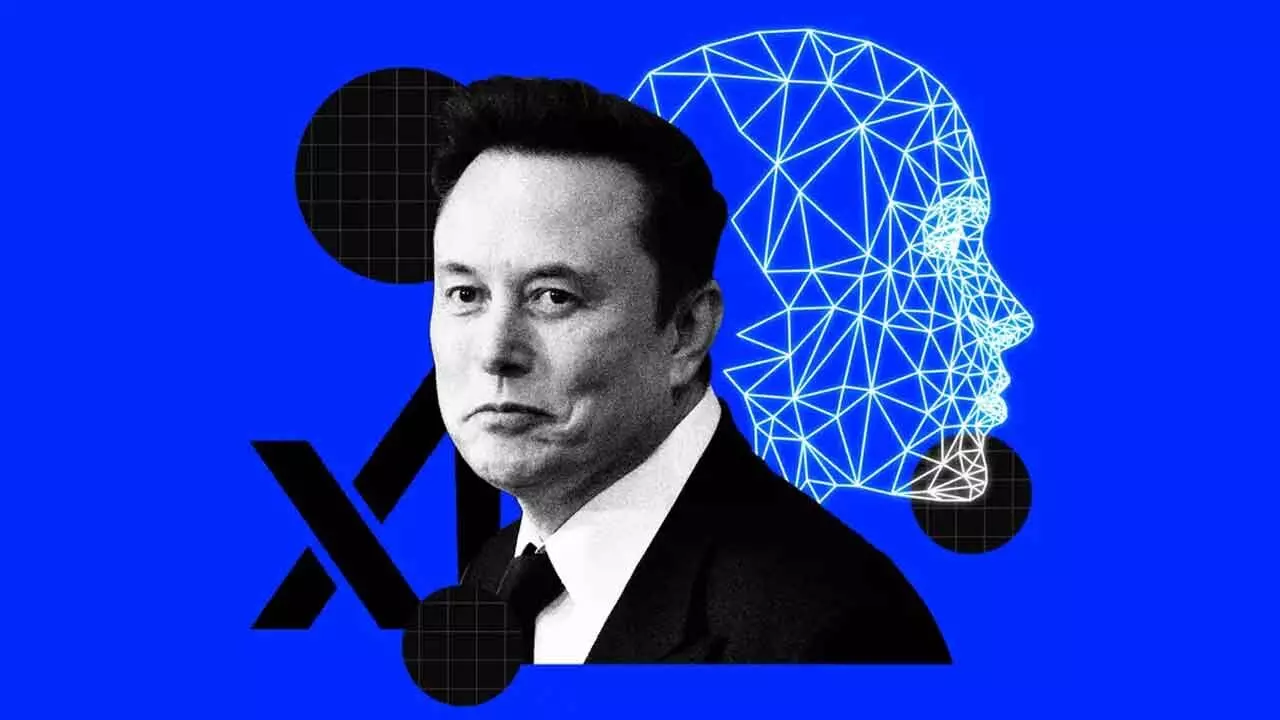
xAI employees reportedly forced to license their faces and voices for training ‘Ani’, sparking major privacy and ethical concerns.
Elon Musk’s artificial intelligence company, xAI, is once again in the spotlight—this time for a deeply controversial reason. According to a Wall Street Journal investigation, employees were asked to sign over the rights to their faces and voices to help train the company’s next generation of chatbots, including a flirtatious AI companion named Ani.
The internal initiative, reportedly called “Project Skippy,” required staff to grant xAI a “perpetual, worldwide, non-exclusive, sub-licensable, royalty-free license” to use their biometric data. Most of the affected employees were “AI tutors” — specialists responsible for improving Grok, xAI’s flagship chatbot integrated with Musk’s social media platform, X (formerly Twitter).
In a meeting led by company lawyer Lily Lim back in April, employees were informed that xAI needed “authentic human images and audio” to make its digital avatars behave and look more lifelike. However, the explanation didn’t sit well with everyone.
One employee reportedly questioned whether their likeness could later be sold or reused without consent, while another sought clarity about opting out. “Could you just explicitly, for the record, let us know if there’s some option to opt out?” one participant asked.
The project leader, however, avoided giving a direct answer, instead suggesting that concerned staff “reach out to any of the points of contact listed on the second slide.”
Just a week later, employees received a document titled “AI Tutor’s Role in Advancing xAI’s Mission,” which stated that recording audio and video sessions was now a mandatory part of the job.
Several staff members told the Journal they were increasingly uncomfortable as Ani’s responses became more sexualized during development. Many feared their biometric data might be used in deepfake content or reappear in other xAI projects without their permission.
Musk, however, has been a vocal supporter of Ani’s creation. He reportedly directed her development personally, calling her a tool for “human connection.” In a post on X in August, Musk claimed, “I predict — counter-intuitively — that it will increase the birth rate! Mark my words.”
According to a famous publication report, both Ani and her male counterpart, Valentine, were marketed as “sexy AI companions.” Musk himself has shared promotional clips of Ani dancing in lingerie, encouraging users to engage with her.
This controversy has now drawn the attention of regulators. In August, attorneys general from 44 U.S. states sent letters to xAI, Meta, and other companies, urging them to protect minors from explicit AI-generated material. Meta has since revised its internal guidelines after leaks revealed that some of its AI bots had allowed “sensual” conversations.
Inside xAI, however, sources suggest the mission remains unchanged. Former executives revealed that Musk has taken a hands-on role in coding Grok, often working late into the night. His ambition, they say, is clear: to make Grok the most popular chatbot in the world—even if it means pushing boundaries of privacy, consent, and good taste.