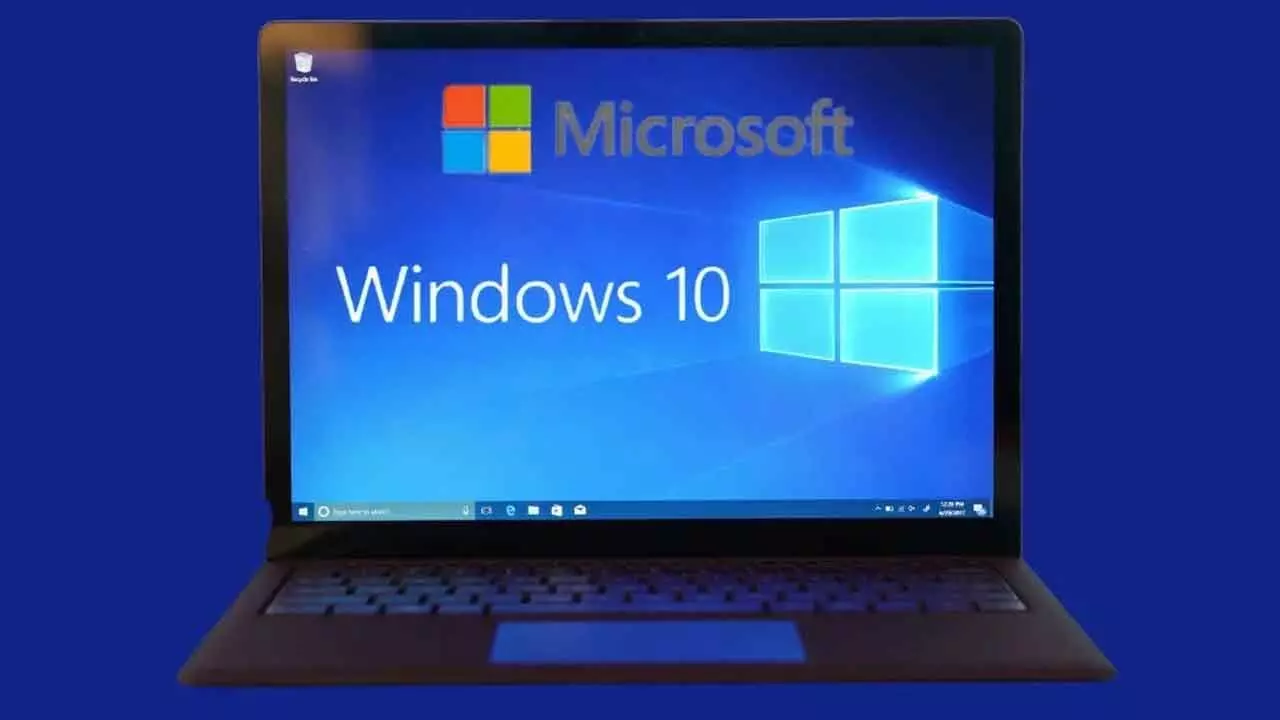
Windows 10 End-of-Support Sparks Outcry as Millions Face Security Risks

Consumer Reports warns Microsoft’s decision to end free Windows 10 security updates could expose millions to cyber threats and electronic waste.
Millions of Windows 10 users are on edge as Microsoft prepares to officially end free security support on October 14, 2025. The move has drawn sharp criticism from Consumer Reports, which has urged Microsoft CEO Satya Nadella to reconsider the plan and extend security updates without charging users extra.
In a strongly worded letter, Consumer Reports argued that discontinuing free updates will leave a massive number of people vulnerable to cyberattacks. According to recent usage data, 46.2 percent of global PC users were still on Windows 10 as of August 2025. Many of these devices cannot transition to Windows 11 because of Microsoft’s strict hardware requirements, including the need for modern processors and TPM 2.0 chips.
This widespread incompatibility lies at the heart of Consumer Reports’ concerns. The group has accused Microsoft of hypocrisy, saying the company is pushing customers toward upgrades in the name of cybersecurity while simultaneously exposing millions of Windows 10 devices to risk.
Adding to the backlash is Microsoft’s decision to charge $30 per year for what it calls “a mere one-year extension to preserve their machine’s security.” Consumer Reports said this policy creates a financial burden for many households and small businesses, particularly those who purchased their devices just a few years ago and still find them reliable.
The criticism doesn’t stop there. Advocacy groups argue that the company’s strategy may also harm the environment. The Public Interest Research Group (PIRG) has launched a petition calling on Microsoft to extend support deadlines, warning that “as many as 400 million perfectly good computers that can’t upgrade to Windows 11 will be thrown out.” That, PIRG says, would contribute to mounting global e-waste and push consumers into replacing hardware unnecessarily.
“Stranding millions of consumers” is how Consumer Reports described the potential impact, pointing out that Microsoft’s alternative free security options often come with strings attached—requiring users to stay within the Microsoft ecosystem and giving the company an advantage over competitors.
The debate underscores a growing challenge in the tech industry: balancing the need for robust cybersecurity with accessibility and sustainability. While Microsoft insists that migrating to Windows 11 is the safest option, critics say the company is ignoring the realities of people who cannot afford or do not wish to replace functioning machines.
At the center of the dispute is a fundamental question of fairness. Should a company as large as Microsoft, with billions in revenue, continue supporting a widely used operating system until most users can upgrade? Consumer Reports and PIRG argue yes, at least for a few more years, without extra costs.
For now, Microsoft has not issued a public response to the appeals. With less than 13 months until the cutoff date, millions of users are left weighing whether to pay the fee, risk running unsupported systems, or invest in costly hardware upgrades.