
Elon Musk Pitches Moon Factory to Power xAI’s AI Ambitions

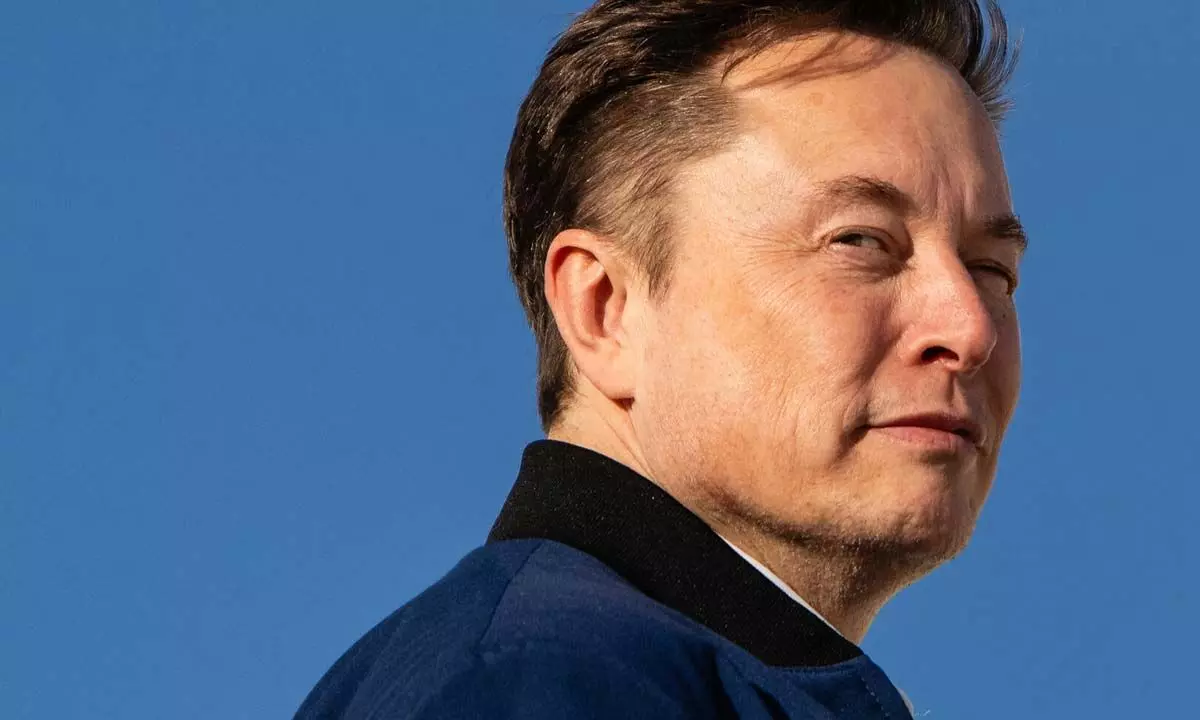
Musk says building lunar AI infrastructure could unlock unprecedented computing power and redefine the global artificial intelligence race for humanity.
Elon Musk has unveiled a bold new vision for the future of artificial intelligence — and it starts on the Moon. In a recent internal meeting with employees at his AI venture xAI, Musk proposed building a manufacturing facility on the lunar surface to support the next generation of AI systems.
According to Musk, the escalating race to develop more powerful artificial intelligence models will eventually demand far more computing capacity than Earth-based data centres can sustainably provide. His solution: expand beyond the planet.
“You have to go to the moon,” Musk said during the discussion, underscoring his belief that space-based infrastructure could offer a decisive edge in the competition for AI dominance.
The concept involves constructing a lunar factory capable of producing AI-optimised satellites. These satellites would then be launched into orbit using a mass driver — an electromagnetic launch system designed to propel payloads into space more efficiently. By moving computing resources off Earth, Musk believes xAI could tap into unprecedented levels of power and scalability.
The proposal aligns with Musk’s long-held philosophy that technological breakthroughs depend largely on scale. As AI systems grow more sophisticated, so do their hardware demands. Across the industry, companies are scrambling to secure advanced chips, expand massive data centres, and recruit elite engineering talent. Musk appears convinced that simply building larger facilities on Earth may not be enough to stay ahead.
In the same meeting, he reflected on the transformative potential of ultra-large-scale intelligence. “It’s difficult to imagine what an intelligence of that scale would think about, but it’s going to be incredibly exciting to see it happen,” he said.
The Moon factory idea also fits into a broader restructuring effort. Recently, Musk confirmed that xAI would merge with SpaceX — a move designed to better integrate AI development with space infrastructure capabilities. While Musk did not provide detailed timelines or funding plans for the lunar project, the merger suggests a strategic alignment between advanced AI research and space engineering.
For years, Musk has framed Mars colonisation as SpaceX’s ultimate mission. However, his latest remarks indicate a shift in emphasis. The Moon, he suggested, could serve as a practical and achievable stepping stone — first establishing a self-sustaining lunar presence, then progressing toward Mars and deeper space exploration.
Within xAI, Musk also acknowledged that rapid expansion requires internal adjustments. As the company scales, structural changes are underway to maintain agility and competitiveness. Speed, he emphasised, remains critical in the high-stakes technology race.
“If you’re moving faster than anyone else in any given technology arena, you will be the leader, and xAI is moving faster than any other company; no one’s even close,” he said.
Whether the lunar factory becomes reality or remains an aspirational concept, Musk’s message is clear: in the race to shape the future of artificial intelligence, he believes the path forward may lead far beyond Earth.


