CM targets Rs 4/unit power cost, calls for deep reforms

Vijayawada: Chief Minister N Chandrababu Naidu has set a target of reducing the state’s power purchase cost to Rs 4 per unit, directing officials to intensify reforms while ensuring no additional burden on consumers.
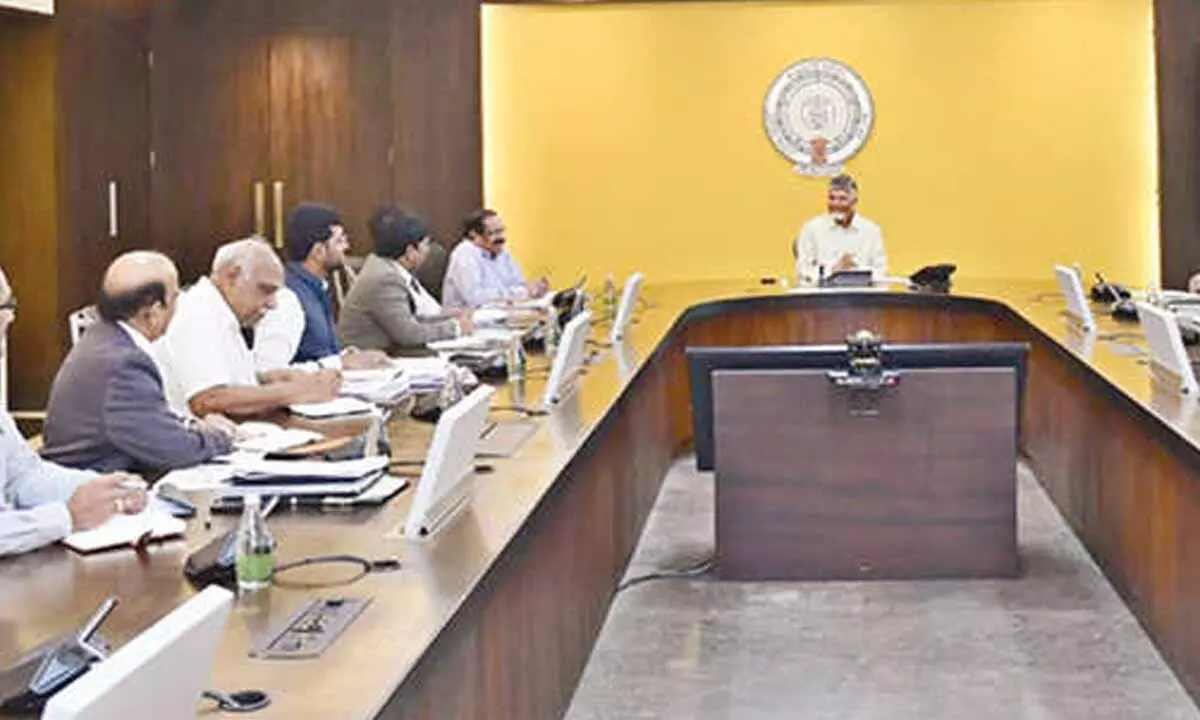
During a high-level review of the energy department at the Secretariat on Tuesday, the Chief Minister asked officials to intensify ongoing reforms and prepare a comprehensive action plan that balances cost reduction with financial stability of power utilities. Officials informed the CM that current reform measures could reduce power purchase costs by Rs 1.32 per unit by 2028-29, bringing the price down to Rs 4.10 per unit. However, Naidu insisted on achieving the Rs 4 benchmark, calling for sharper execution, adoption of new technologies, and stronger energy efficiency measures.
The Chief Minister also emphasized the need to clear mounting debts of power utilities without resorting to tariff hikes, underlining that financial restructuring must not come at the cost of public burden.
Officials informed CM that improved management practices helped save approximately Rs 339 crore during the 2025-26. Naidu directed that such cost-saving initiatives be scaled up across all utilities. Positioning the energy sector as a future growth engine, the CM stressed that Andhra Pradesh must align with global trends in low-cost and green energy. The state’s proactive approach to renewable energy is already attracting global companies. Naidu urged officials to create awareness on PM Surya Ghar scheme and PM-KUSUM scheme.
On solar power generation, the CM set an ambitious goal of achieving the top position nationally. He also directed to accelerate integration of pumped storage projects, wind energy and battery energy storage systems to strengthen energy reliability.
The Chief Minister also proposed the establishment of a dedicated Energy University to drive innovation and skill development in the sector. He also directed officials to strengthen the existing Centre of Excellence for Energy Transition and support startups through incubation funding and margin money assistance. He also pointed out that steps have already been taken to avoid passing ‘true-up’ charges to the public, including a recent ‘true-down’ tariff adjustment of 13 paise. He stressed that further reduction in power procurement costs would directly benefit households and industries alike.