India’s State finances: A tale of prudence and peril

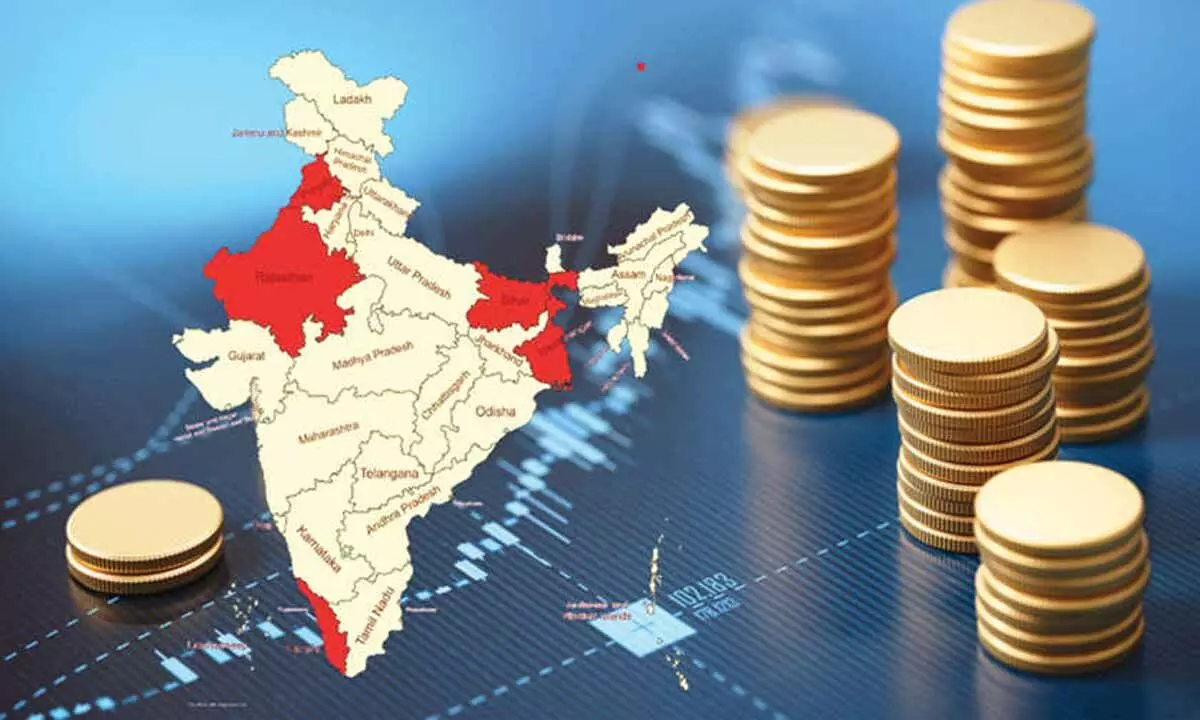
Leaders like Gujarat show fiscal space breeds investment while laggards prove populism erodes it
State finances across India present a landscape of contrasts. While aggregate fiscal discipline has held post-pandemic, pockets of stress are deepening, with some states exhausting borrowing limits early and others maintaining balanced growth. The latest analyst reports reveal a national fiscal deficit at 3.3 per cent of GSDP in FY25 (PA), up from sub-3 per cent levels, alongside sticky debt ratios around 28 per cent - both above FRBM ideals. As central grants moderate and capex ambitions rise, the divergence between fiscal leaders like Gujarat and Odisha and laggards like Punjab and Kerala has never been starker
Debt and deficit: Leaders consolidate, 0thers slip
Aggregate state debt-to-GSDP eased to 28.4 per cen in FY25 (RE) from 31 per cent in FY21, aided by nominal GDP growth and central interest-free capex loans. Yet nine large states exceed the 20 per cent FRBM threshold, with Punjab (46.9 per cent), West Bengal (40 per cent), Bihar (38 per cent), Rajasthan (37 per cent), Kerala (36.2 per cent), Andhra Pradesh (35.5 per cent), Madhya Pradesh (30.8 per cent), Tamil Nadu (30.2 per cent) and Haryana (30.2 per cent) in the danger zone.
Fiscal deficits tell a similar story. Seven states — Bihar, Andhra Pradesh, Chhattisgarh, Madhya Pradesh, Punjab, Rajasthan and Kerala — breached 3.5 per cent of GSDP in FY25, against the 15th Finance Commission’s 3 per cent glide path. Gujarat (-1.8 per cent) and Uttar Pradesh (-2.2 per cent) anchor the low end, while Andhra Pradesh and Telangana exhausted their full FY26 budgeted deficits in just nine months — 100 per cent utilisation versus the 45.9 per cent national average.
This front-loading exposes vulnerability. With national tax growth slowing to 10.2 per cent in 9M FY26 and GST at 5.9 per cent, states like Andhra and Telangana risk over-runs if Q4 revenues disappoint.
Interest Burden: Moderating but Uneven
A bright spot is the contained interest costs. Aggregate interest payments fell to 12.2 per cent of revenue receipts in FY25 from 15 per cent pre-pandemic, thanks to central 50-year capex loans financing 0.4–0.5 per cent of deficits without debt service spikes. However, Punjab (23.6 per cent), Haryana (22.2 per cent), Kerala (20.5 per cent) and West Bengal (20.1 per cent) lead the high-burden pack, where elevated debt compounds fiscal rigidities.
Andhra Pradesh (18.6 per cent) and Telangana (15.9 per cent) sit mid-table—above Gujarat (12 per cent) but manageable. Bihar stands out positively: high debt/deficits offset by low interest (1.9 per cent) via generous central devolution. Rising SDL spreads (70 bps over G-secs) amid Rs 12.5 trillion national FY26 borrowings signal cost pressures ahead.
Revenue Trends: Own Sources Rise, Grants Fall
State revenue receipts dipped to 12.2 per cent of GSDP in FY25 from 13.7 per cent in FY22, driven by central grants halving to 1.2 per cent from 2.4 per cent pre-COVID. Tax revenues held steady at 10 per cent, but own revenues now claim 58.2 per cent of receipts (up from 55.3 per cent), reflecting GST compensation’s end.
In 9M FY26, tax growth moderated to 10.2 per cent (stamps/land strong at 12–14 per cent), non-tax jumped 11.2 per cent. States like Odisha and Gujarat leverage buoyant own taxes; grant-reliant peers like Kerala face squeezes.
Expenditure Quality: Capex Climbs, Populist Drag Persists
Capital outlay rose to 15.3 per cent of total expenditure in FY25 from 13.5 per cent pre-pandemic, boosted by central loans (Rs 2 trillion FY27). Gujarat (22.4 per cent), Uttar Pradesh/Odisha/MP (18–22 per cent) lead; Punjab (4.3 per cent) and Andhra Pradesh (8.8 per cent) lag.
Non-developmental spending (interest/pensions) burdens Kerala (42.2 per cent), Punjab/Tamil Nadu/Haryana/West Bengal/UP/Andhra Pradesh (25–29 per cent), versus Telangana/Odisha’s lower 16 per cent. Subsidies stabilised at 1.1 per cent GSDP, social spending hit 8 per cent via cash transfers.
9M FY26 Snapshot: Early Warning Signals
Revenue expenditure growth slowed to 6.8 per cent (vs. 11.9 per cent), capex surged 14.3 per cent. Deficit exhaustion varies sharply:
Andhra/Telangana’s pace, alongside slowing revenues, risks FY26 slippages.
The Scorecard
Among large states, Odisha/Gujarat top fiscal health (manageable debt/deficits, high capex, low interest); Punjab bottoms out. Mid-pack: Maharashtra, Karnataka. Stress cluster: Andhra Pradesh (7th-worst, 43.6), Telangana (12th, 36.1), Kerala/ Rajasthan/ Bihar.
16th Finance Commission: Rebalancing Ahead
States retain 41 per cent tax devolution, but criteria shift: more weight to 2011 population/ GSDP contribution, less to income distance.
Gainers:Karnataka(+0.48 per cent), Gujarat, Haryana.
Losers: UP (-0.32 per cent), Telangana (-0.11 per cent), Odisha. Andhra gains modestly (+0.19 per cent to 4.2 per cent).
Mandates include 3 per cent fiscal targets, off-budget borrowing bans (crucial for Andhra’s Rs 79,000+ crore liabilities), DISCOM privatisation and subsidy reviews—pressuring high-debt states most.
State Typology: Four Fiscal Archetypes
1. Prudent Investors (Gujarat, Odisha, UP):Low-moderate debt, high capex, strong own revenues. Model for sustainability.
2. Balanced Mid-Tier (Maharashtra, Karnataka, MP):Steady consolidation, leveraging central support effectively.
3. Front-Loaded Risers (Telangana, Andhra):Aggressive capex but deficit exhaustion signals over-reach.
4. Chronic Stress (Punjab, Kerala, Rajasthan):High debt/interest/non-dev spend trap; capex starved.
Balanced Verdict: Progress with Fault Lines
National Strengths: Capex revival (15.3 per cent), interest moderation, own-revenue resilience amid grant cuts.
Stress Points: Seven states >3.5 per cent deficits; debt sticky at 28 per cent; 9M FY26 over-spending by Andhra/Telangana/Kerala; SDL costs rising.
Leaders like Gujarat show fiscal space breeds investment; laggards prove populism erodes it. The 16th FC offers a reset, but states must own the discipline —revenue buoyancy, spending quality, off-budget cleanup — before market tolerance wanes.
(The writer is with Cholleti BlackRobe Chambers, Hyderabad)