Earth’s energy imbalance turns worse than ever

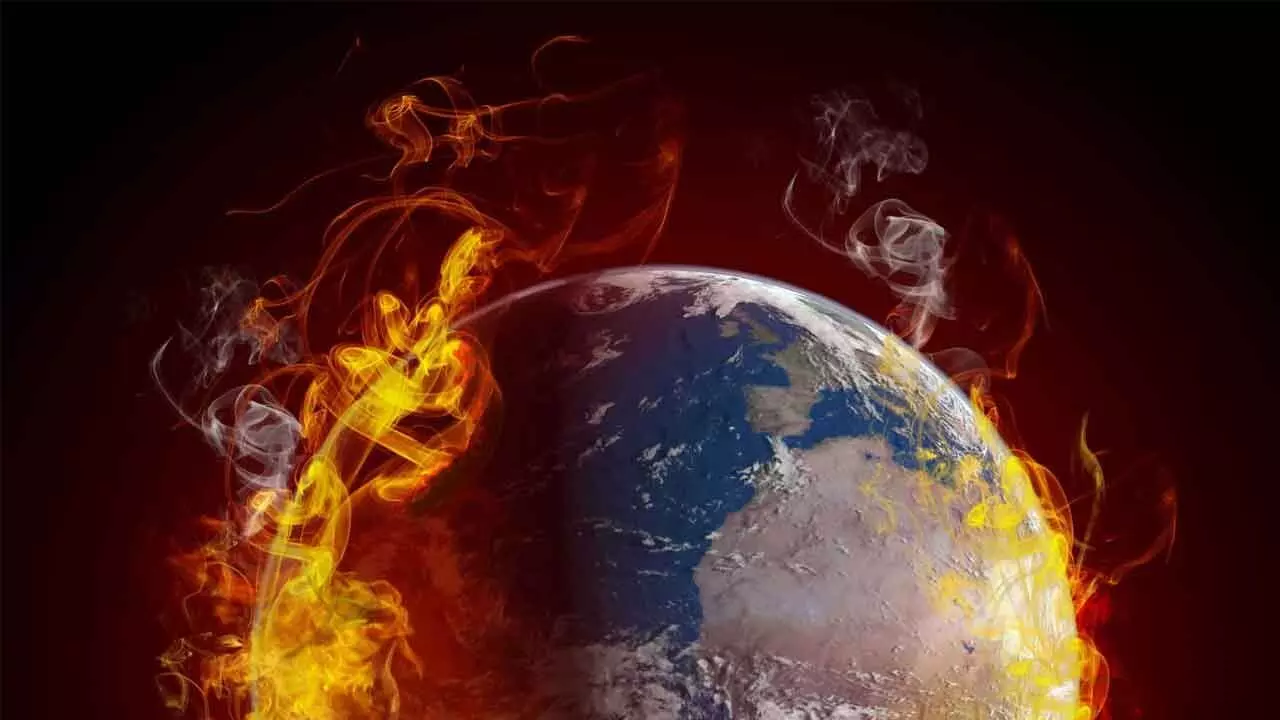
Global warming as is known is the long-term increase in Earth’s average atmospheric and oceanic temperatures. The primary cause is the burning of fossil fuels (coal, oil, gas) for energy, which releases heat-trapping gases like carbon dioxide. Deforestation significantly contributes to the crisis because trees that absorb CO2 are cut down, destroying natural carbon sinks. Industrialization and increased use of vehicles emit large amounts of greenhouse gases into the atmosphere.
This warming leads to severe consequences, including melting glaciers, ice sheets, and rising sea levels. It causes more frequent and intense natural disasters, such as heat waves, droughts, storms, and floods. Global warming disrupts ecosystems, threatening biodiversity and causing many animals to lose their habitats. It directly affects human health, causing heat stress, increased allergies, and the spread of infectious diseases. Key solutions include reducing reliance on fossil fuels, adopting renewable energy (solar, wind), and increasing energy efficiency. Planting more trees and adopting eco-friendly habits are essential to mitigating the impact of climate change.
March 23 is World Meteorological Day, with the theme “Observing Today, Protecting Tomorrow.” Marking the day, the World Meteorological Organisation (WMO) released the State of the Global Climate report 2025, analysing a range of key climate indicators, including greenhouse gas concentrations, surface temperature, ocean heat and acidification, sea level rise, Antarctic sea ice extent, and glacier melt.
The report confirmed that 2015-2025 were the hottest 11 years on record, and 2025 was the second or third hottest year on record, at about 1.43 degrees Celsius above the 1850-1900 average. Extreme events around the world, including intense heat, heavy rainfall and tropical cyclones, caused disruption and devastation, highlighting the vulnerability of interconnected economies and societies. The ocean continues to warm and absorb carbon dioxide. Over the past two decades, the ocean has absorbed the equivalent of about 18 times the annual human energy used each year. Last year, ocean heat content (to a depth of 2,000 meters) reached the highest level since records began in 1960, surpassing the previous high set in 2024.
The Earth’s climate is more out of balance than at any time in observed history, as greenhouse gas concentrations drive continued warming of the atmosphere and ocean as well as melting of ice, the WMO said on Monday. For the first time, the report included Earth’s energy imbalance as a key climate indicator. The Earth’s energy balance measures the rate at which energy enters and leaves the Earth system, Xinhua news agency reported. Earth’s energy imbalance has been increasing since its observational record began in 1960, particularly in the past 20 years.
It reached a new high in 2025. Data from individual monitoring stations showed that levels of three main greenhouse gases -- carbon dioxide, methane and nitrous oxide -- continued to increase in 2025. With the ongoing Iran-America war and the burning down of oil installations leading to further environmental chaos, sections of the world are already facing its impact. The Iranian response to the US rampage has been deliberate and calculated to keep the fires burning, literally. While the world worries about the socio-economic cost of this war and the medium-term impact it will have on the global economy, it is time to factor in the ecological damage being caused at the same time