Forgotten wonders: Geo Heritage of Bharat

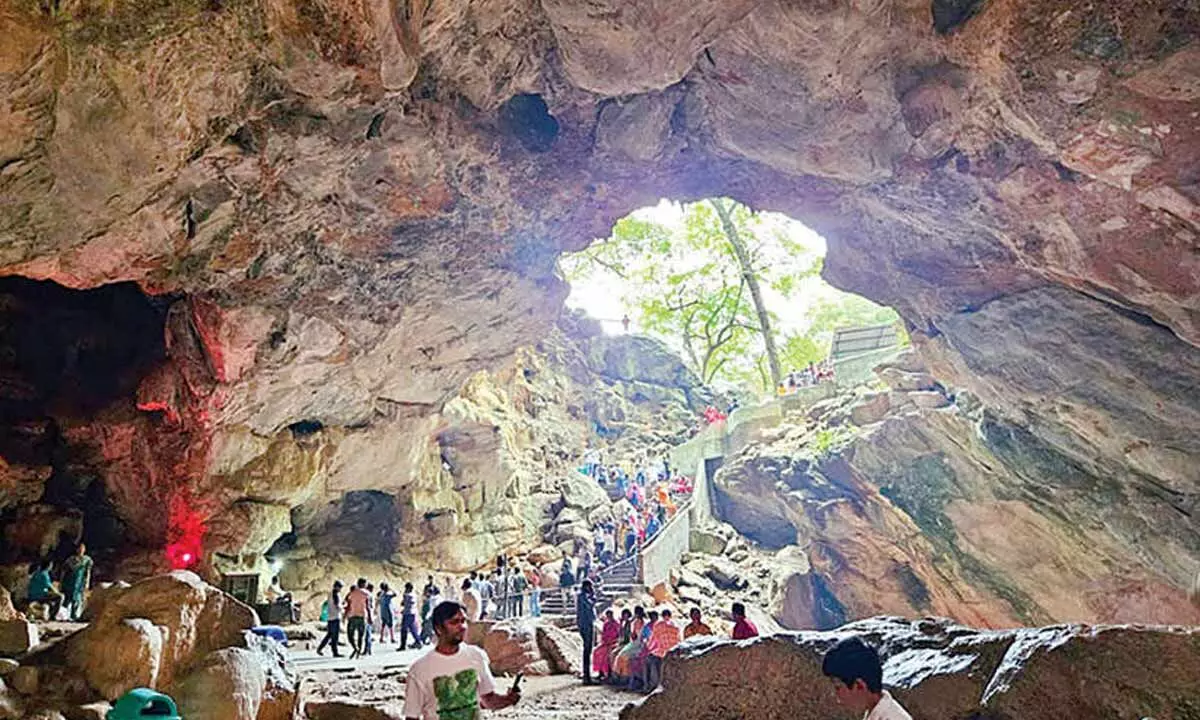
Urbanisation and manmade disasters present a significant and growing threat to Bharat’s (India’s) geological heritage, or geoheritage, which encompasses not just geological formations but also the cultural, historical, and ecological values connected to them. Today, the nation’s awe-inspiring diversity ranging from the Himalayas and coastal formations to fossils and volcanic remnants faces mounting risks from unchecked urban growth, environmental neglect, and the increasing frequency of disasters.
Geoheritage and Its Importance
Geoheritage refers to sites and landscapes that illustrate the Earth’s evolutionary history, often displaying distinctive rock formations, fossils, mineral deposits, caves, and other geological features. These areas are not only scenic wonders but also serve as open-air classrooms for scientists, students, and tourists, offering insights into planetary processes and climate change over millions of years. Examples like the Lonar Crater in Maharashtra, Mawmluh Cave in Meghalaya, and the basalt columns of Thonsepar Islands of Karnataka are precious records of the Earth’s dynamic history, attracting both scientific and popular interest.
Expanding Footprints, Shrinking Heritage
Rapid urbanisation in Bharat has dramatically altered cityscapes and rural areas alike, resulting in severe pressure on land and resources. With expanding cities come new infrastructure, housing, tourism projects, and commercial activities often sprawling over ecologically sensitive zones and heritage landscapes. Construction of roads, real estate developments, and even tourism amenities sometimes determine the fate of fragile geoheritage by flattening hills, destroying unique landforms, and erasing centuries-old natural archives.
The causal chain is clear: demand for land leads to unregulated and unplanned growth, which in turn damages or obliterates geological sites. In places like Kutch in Gujarat and Tamil Nadu’s Trichinopoly region, scientists have documented the loss of fossil beds, stratigraphic sections, and landforms some of which are now lost forever due to mining, infrastructure development, and illegal encroachments.
Manmade Disasters: Accelerating Damage
Not all disasters are acts of nature. Human activities such as deforestation, unregulated quarrying, illegal mining, and altering river courses for development can turn natural hazards into full-fledged catastrophes. For instance, landslides in Maharashtra and floods in Uttarakhand were aggravated by deforestation, poorly planned construction, and modifications to riverbanks. Heavy monsoons, already intensified by climate change, become deadlier when combined with lost vegetation, illegal settlements on fragile slopes, and blocked drainage.
Similarly, the collapse of ancient forts during heavy rainfall and increasing vulnerability of heritage tourism sites to landslides and cyclones show how human interventions are exposing not only populations but also priceless geoheritage to greater risks. The occupation of river catchment areas and actual riverbeds for tourism projects is just one example where short-term gain has led to long-term environmental and social costs.
Untapped Potential and Growing Risks
Despite hosting remarkable sites of geological significance like the world’s largest river island Majuli, unique arch formation in Andhra Pradesh, and fossil geoheritage is vastly underrecognised at the international level. Among 229 UNESCO Global Geoparks from 50 countries, Bharat is conspicuously absent. This lack of global representation underscores the need for greater awareness, legal protection, and active management of these irreplaceable assets.
The country’s geoheritage sites offer enormous opportunities for sustainable tourism, education, and community development, provided that their management combines local participation, science-based planning, and environmental sensitivity. Yet, challenges such as lack of coordination, awareness, and regulation often mean that development works can end up causing harm, not benefit.
Geoheritage Conservation
Recognising the alarming risks, there has been growing advocacy for robust protection and thoughtful development of Bharatiya geoheritage. Some key strategies include:
- Legal protection: For the first time, a draft Geo-Heritage Sites and Geo-Relics (Preservation and Maintenance) Bill (2022) proposes empowering the government to formally recognise, acquire, and protect geoheritage sites of national importance
- Community-based tourism: Thematic tourism circuits that involve local communities can offer economic benefits through jobs and handicrafts while encouraging environmental stewardship.
- Sustainable development: Ensuring that infrastructure, tourism projects, and land use respect the carrying capacity and vulnerability of geoheritage sites is critical for balancing growth with conservation.
- Education and outreach: Interpretation centers, guided tours, educational materials, and digital platforms can help foster appreciation and responsible behavior among locals and visitors
- Integrated planning: Collaborations among geologists, ecologists, administrators, and communities are essential for developing management plans that align tourism development with conservation.
- Reduction of harmful practices: Strict controls on the use of plastics, waste disposal, and destructive activities in sensitive sites can mitigate further damage.
Focusing on Solutions
It is essential to shift from viewing disasters as inevitable to understanding the human role in both creating hazards and in mitigating them. Policy interventions must aim to formalise conservation through legal status and incentivise responsible tourism and local custodianship. By integrating geoheritage protection into broader climate action, sustainable development, and disaster resilience strategies, Bharat can safeguard its irreplaceable geological legacy for future generations.
Bharat’s geoheritage isa living testament to the planet’s evolving story, but its survival is threatened by rapid urbanisation and manmade disasters. The path forward lies in stronger laws, community engagement, intelligent tourism, and above all, a profound respect for the land and its natural archives. Only by marrying development with conservation can Bharat ensure its geological wonders continue to educate, inspire, and support people for centuries to come.
(The writer is a Creative Economy Expert)