Hifz-e-Qur’an projected as Cognitive Counter to AI at Bohra community Iftar

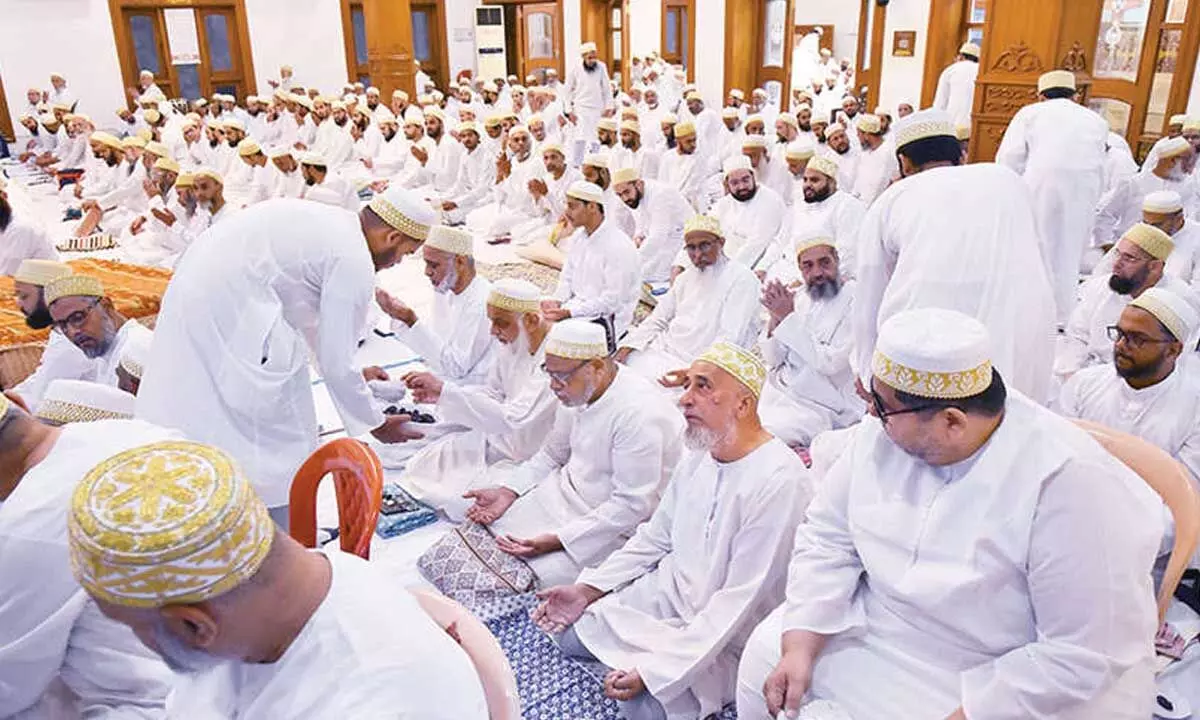
At a Dawoodi Bohra community iftar gathering in Hyderabad, the impact of artificial intelligence (AI) on human cognition and creativity was a key theme of discussion, with speakers pointing to Hifz-e-Qur’an (memorisation of the Qur’an) as an example of structured mental training.
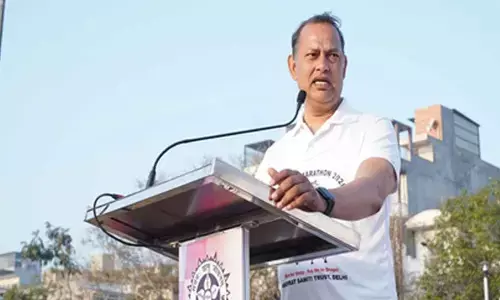
Interacting with the media during his visit to the city, Dr. Ilyas Najmi, a relative of the 53rd Spiritual Head of the Dawoodi Bohra community, Syedna Mufaddal Saifuddin, conveyed guidance attributed to the community’s leadership. He said that while AI has enhanced speed and convenience in accessing and processing information, it has also raised concerns about declining memory retention, shorter attention spans and overreliance on automated systems.
“When machines remember and process information for us, the human mind risks becoming passive,” Dr. Najmi said, adding that memorisation practices such as Hifz-e-Qur’an require sustained concentration, repetition and discipline.
Earlier in the evening, visiting Qurra (reciters of the Holy Qur’an) from Al-Azhar University rendered recitations before the breaking of the fast.
Dr. Najmi described memorisation of the Qur’an as both a spiritual and intellectual exercise, stating that it involves rigorous training of memory and focus. He suggested that such practices can contribute to cognitive resilience and may complement modern education.
He also reiterated that the community does not view religious and contemporary education as mutually exclusive. Through Umoor-e-Taaleemia, its educational wing, programmes are designed to support both Qur’anic studies and mainstream academic pursuits.
The Dawoodi Bohra community operates through a decentralised administrative structure known as the 12 Umoor (affairs), which manages areas such as education, welfare, finance, health, public relations and dispute resolution. Community representatives said the framework is intended to streamline operations across centres.
Reference was also made to the community’s interest-free financial initiatives under Umoor-e-Iqtesadia, which align with Islamic principles prohibiting riba (interest). Organisers stated that the model aims to encourage ethical financial practices and mutual support.
Dr. Najmi further spoke about community welfare initiatives, including Faiz-ul-Mawaid al-Burhaniyah (FMB), a structured meal programme that provides food across community centres. Among those present were Zuhair Izzy, Irfan Hussain, Shabbir Tas and Maulana Peer Shabbir Naqshbandi, along with local representatives and volunteers.