National Coloring Book Day: Rediscover childhood joy while embracing the mental health benefits of colouring

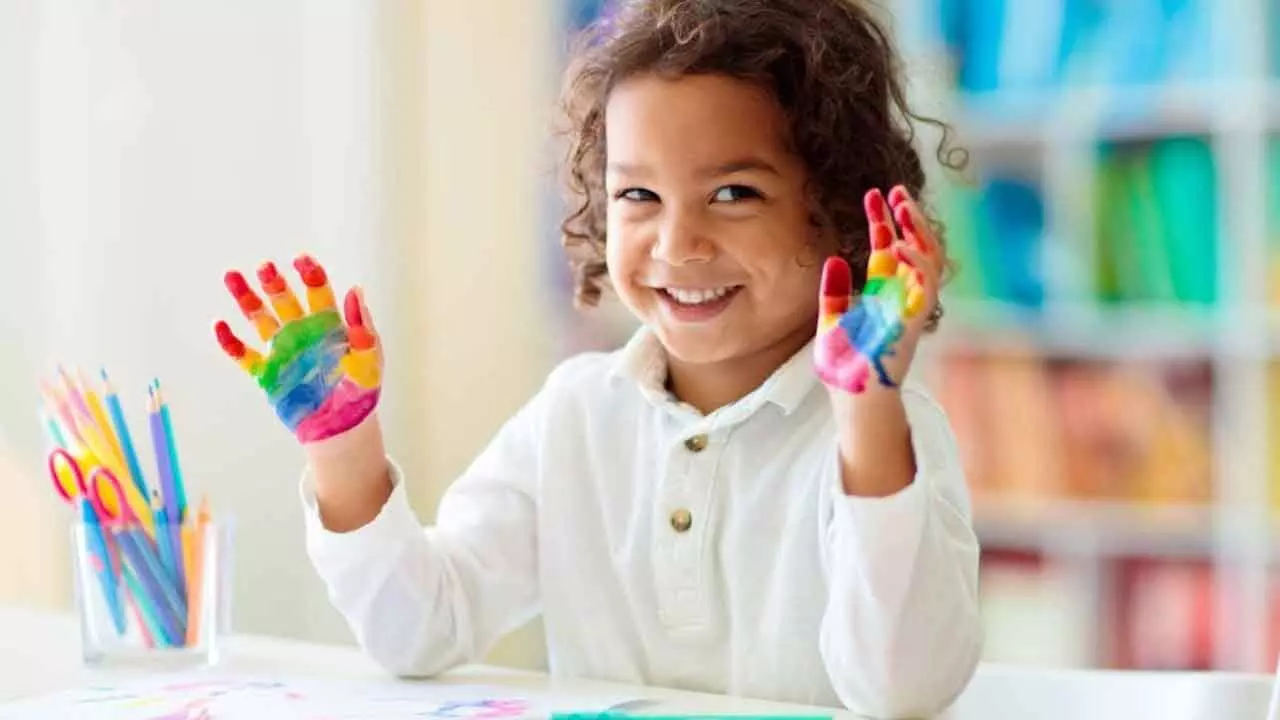
National Coloring Book Day on August 2 is more than nostalgic fun—it’s a celebration of creativity and wellness. Once considered just a childhood pastime, coloring is now recognized for its ability to reduce stress, boost focus, and encourage mindfulness. For many, opening a fresh box of crayons or markers triggers happy childhood memories—lazy afternoons spent filling pages with vibrant shades or competing with friends to see who could color “inside the lines” best. National Coloring Book Day gives us a reason to reconnect with that simple joy, but it’s no longer just about kids. In recent years, adult coloring books have become a popular wellness trend, designed specifically for grown-ups looking for calm and creativity in an often chaotic world.
A return to simplicity
Coloring taps into something deeply nostalgic: the joy of childhood creativity. When we were kids, coloring outside the lines wasn’t failure—it was freedom. It wasn’t about producing a masterpiece but about exploring colors, shapes, and imagination. As adults, we often lose that carefree mindset, replacing it with rigid schedules and constant performance pressure. Coloring allows us to reconnect with that inner child, where creativity has no rules, and mistakes don’t matter. That emotional reconnection alone is a form of therapy.
The science behind the calm
Mental health professionals have increasingly recognized coloring as a legitimate tool for stress management. Engaging in repetitive, low-stakes creative tasks like coloring activates the brain’s reward system while reducing activity in the amygdala—the region responsible for fear and stress. This shift can lower heart rate, reduce anxiety, and promote relaxation. Some therapists even use coloring as an introductory form of art therapy, especially for individuals who feel intimidated by traditional therapy or creative expression. Psychologist Gloria Martinez notes, “Coloring creates a mindfulness state similar to meditation. Your focus narrows, breathing slows, and intrusive thoughts often fade. It’s a simple yet profound way to reset the nervous system.”
Coloring as mindfulness in motion
Mindfulness practices often involve focusing on the present moment without judgment. Coloring naturally encourages this. As you choose colors, fill in shapes, and focus on patterns, your mind anchors itself in the now. This shift reduces mental clutter and promotes a sense of calm. Many adult coloring books feature intricate mandalas or nature-inspired patterns specifically designed to encourage prolonged focus, offering a structured yet creative outlet for emotional balance.
Beyond stress relief: Creativity and joy
Coloring also ignites creativity, something adults rarely indulge in due to self-consciousness or lack of time. There’s no “right” or “wrong” way to color. You might choose realistic tones or experiment with unexpected palettes. That freedom fuels a sense of personal expression and can even enhance problem-solving skills outside of coloring sessions.Additionally, coloring can be a shared experience. Families often rediscover bonding moments when children and parents color together, bridging generational gaps and creating moments of pure, shared joy.
Practical tips to begin
• Start simple: Pick an adult coloring book with patterns that interest you—mandalas, floral designs, or even motivational quotes.
• Invest in tools you enjoy: Colored pencils, markers, or gel pens—use what feels good in your hand.
• Set aside time: Even ten minutes before bed can improve sleep and reduce end-of-day anxiety.
• Let go of perfection: The goal isn’t to create a masterpiece, but to enjoy the process.
From hobby to healing
Rediscovering coloring isn’t about returning to childhood; it’s about reclaiming a forgotten form of joy and emotional care. In a time when burnout and anxiety are on the rise, small creative practices like coloring offer meaningful relief and a chance to reconnect with simpler, happier parts of ourselves. Whether done alone for quiet reflection or with loved ones for fun, coloring has transcended its status as a child’s activity—it’s now a mental wellness tool for all ages.