Raising emotionally brave kids

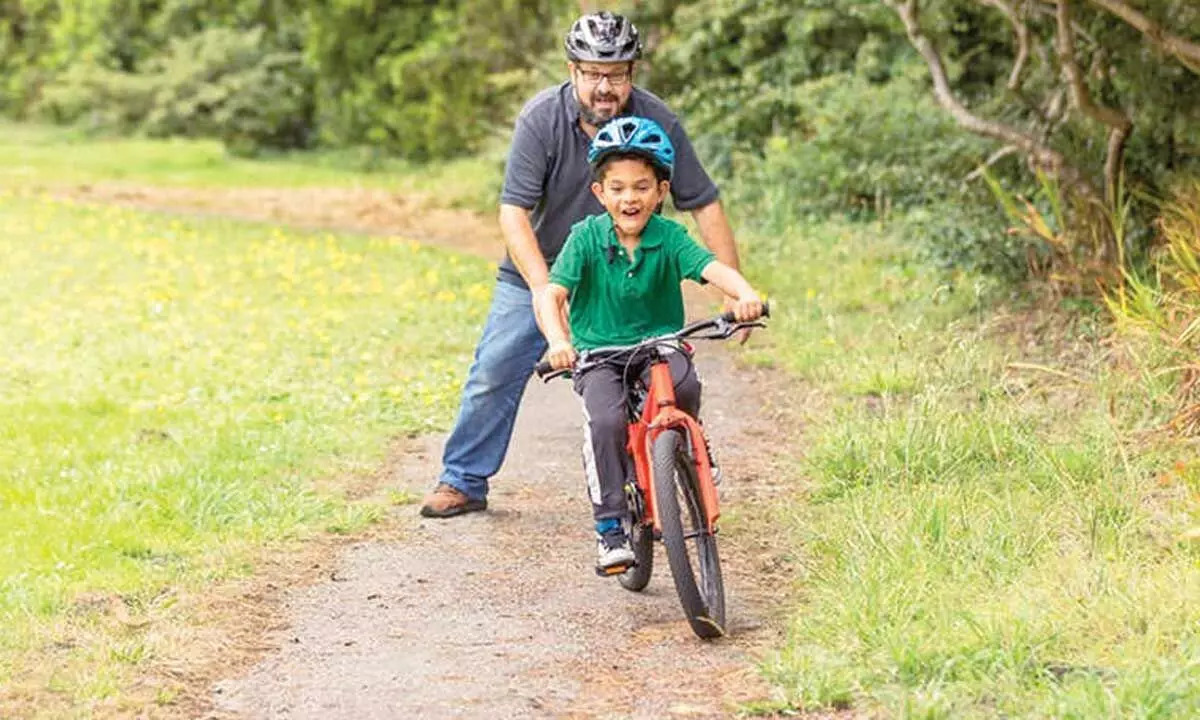
The present world which emphasizes achievement brings about protection for children against disappointment and frustration and failure. The protective measures which parents use to protect their children arise from their love for their children yet these measures create an unintended result which weakens the emotional strength of the children. Children develop emotional bravery through real-life experiences which include facing their first small failures. The process of brain development requires failure as an essential factor which also supports emotional development. Children learn to persevere through difficult challenges when their brains adapt to difficult situations which they cannot immediately solve. The process enhances neural connections which are essential for solving problems and managing emotions and maintaining determination.
Children learn to recognize discomfort as a temporary condition which they can handle. They develop a mindset which psychologists refer to as growth mindset because they believe that effort leads to skill development. Students who develop this mindset achieve academic success throughout their educational journey which extends into their professional life and mental health. The term emotionally brave describes children who experience fear and embarrassment and disappointment but maintain their courage.
Children develop emotional strength through learning that these feelings represent standard reactions which people experience. Children experience sadness and frustration and self-doubt when they lose a game or face school challenges or forget performance lines or fail to join a team. The moments which people experience teach them how to manage their emotions. The child recognizes that challenging emotions will emerge reach their highest point and then disappear. Building emotional endurance enables people to face their future life challenges which include academic pressure and workplace stress and relationship difficulties.
The emotional weakness develops through excessive protection from parental care. The presence of adults who solve problems and handle disputes and shield children from failure hinders their development of coping mechanisms. The unknown experience of failure makes them develop intense fear of failure. Children with this condition avoid new experiences and they show quick abandonments of tasks and they need to receive approval from others. The condition develops into anxiety issues and low self-esteem and an inability to handle rejection and criticism in both teenage years and adult life. Minor mistakes provide students with opportunities to learn social responsibility and self-reliance. The process enables children to understand how their choices result in specific outcomes when they forget their homework or mismanage their time or make mistakes. Children learn to evaluate themselves through their experiences when they should learn from their mistakes instead of waiting for others to help them. The process helps people develop executive functioning abilities which include planning skills and self-control abilities and decision-making skills. The process of failure provides another crucial advantage which enables people to separate their self-worth from their actual performance level. Children who receive constant praise for their achievements start to think that their worth exists only when they achieve success. Children who experience both success and failure discover that their worth does not depend on their accomplishments. They establish self-assurance through internal development instead of needing external support. The process protects mental wellbeing while decreasing the anxiety of being evaluated by others.
Parents and caregivers shape children’s understanding of failure through their actions. The goal is not to create harsh or stressful situations but to create situations that match the natural development needs of children. The adult response matters more than the actual failure when children experience their first unsuccessful attempts. Children need calm reassurance and empathy together with encouragement to attempt again because these elements help them develop constructive ways to handle their situations. Resilience gets strengthened through statements which recognize persistence and courage because those statements direct focus towards effort instead of final results.
Children need to develop their ability to solve problems through independent thinking because this skill holds equal value with their need to solve problems through independent thinking. The process of solving problems without assistance helps individuals build their confidence when they face challenges with friends or work on tough tasks or acquire new abilities. The ability to handle difficulties enhances emotional security for children because they understand their own capacity to deal with problems.
Children who display emotional courage develop into adults who possess strong mental abilities and adaptable nature and self-assuredness. The methods enable them to take safe risks and try out fresh possibilities while using their previous failures to guide them toward success. The practice of avoiding all failures leads people to develop fear-based behaviors which result in emotional weakness.
People develop resilience through their challenges instead of their comfortable experiences. The process of developing resilience requires people to go through various life situations which include their temporary periods of rest and their self-evaluation time.
(The writer is a Senior Consultant - Pediatrics and Neonatology, Rainbow Children’s Hospital, Sarjapur Road)