The pregnancy platter: Foods to avoid during pregnancy

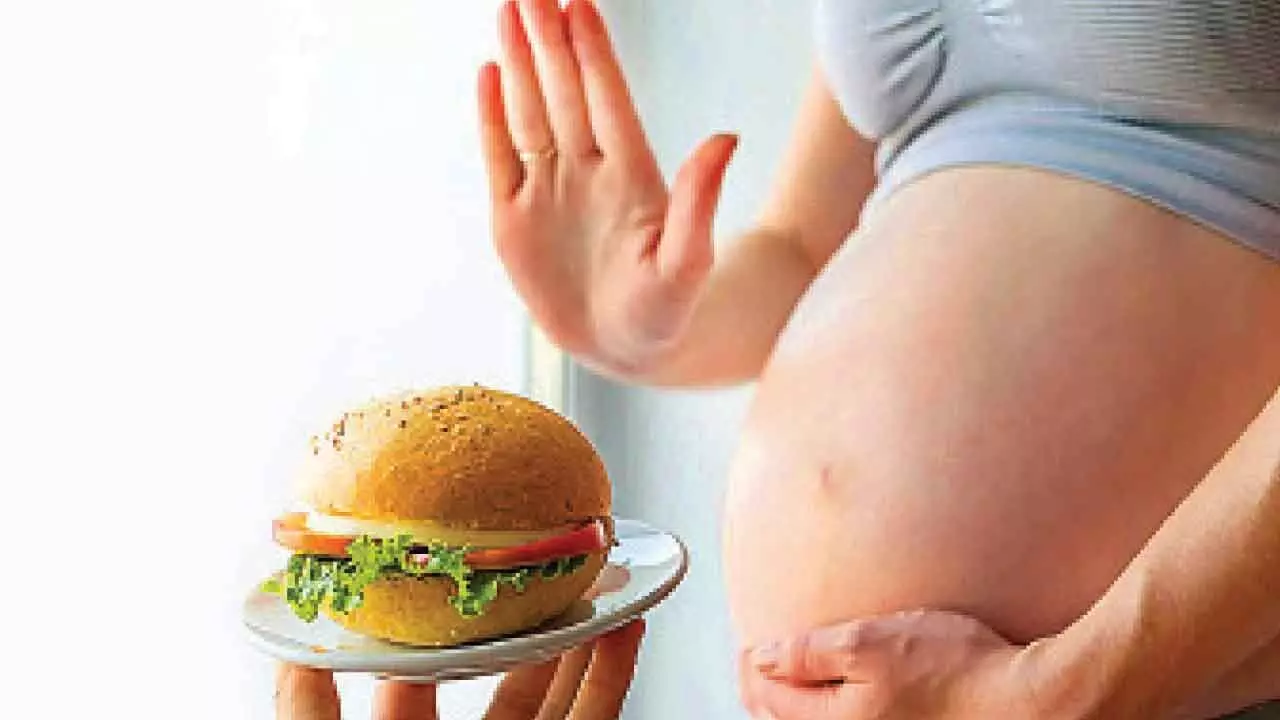
Pregnancy is a period where nutrition can be both empowering and protective. What an expectant mother eats not only sustains her body but also her growing baby. While what to eat more of tends to take precedence, it is also significant to know what needs to be limited or even avoided. Using food safety and dietary habits to minimize potential risks of infection and development problems is possible.
First, it is important to avoid foods that are raw or partially cooked. Examples include raw eggs, incompletely cooked meat and fish, sushi containing raw fish, and incompletely cooked seafood. These carry a high possibility of germs and parasites leading to severe infections in pregnancy. Also, unpasteurized milk and its products, like some soft cheeses, may contain dangerous bacteria and should not be consumed. Street foods, along with ready-to-eat cold meats stored in the refrigerator, pose a risk if they are not well-heated. It will always be safer to consume freshly cooked, piping hot meals and pasteurized dairy products. Pregnant women must also be very careful with raw sprouts, as these can contain bacteria that are practically impossible to completely wash off.
Some foods with high mercury content should be limited because this mercury reaches the nervous system of the baby. Some large predatory fish are likely to contain mercury, and their consumption should be limited or avoided. Instead, the inclusion of well-cooked foods with low amounts of mercury and good amounts of omega-3 fatty acids can be done in moderation because they benefit the pregnant women. Excessive consumption of caffeinated products is another major concern for pregnant women. High amounts of caffeinated products have been linked with increased risks of problems like low birth weight. Limitation of caffeinated products from all sources, such as coffee, tea, energy drinks, and chocolate, should be done. No level of alcohol consumption should be allowed because it causes serious problems in the development of the fetus.
Highly processed foods and those with added sugars, artificial sweeteners, and trans fatty acids should be decreased because they add little value to the body and may increase the risk of excessive weight gain and gestational metabolic problems. Excessive salt-containing packaged foods may lead to fluid retention and high blood pressure. Adequate washing of fruits and vegetables must be done in order to eliminate pesticide residues and other impurities. Adequate reheating of leftovers until steaming hot must be observed in order to avoid foodborne illnesses.
It must be kept in mind that each pregnancy is different and dietary requirements are unique to each woman based upon her health status, dietary habits, and/or medical history. Rather than considering a host of dietary restrictions and limitations, expecting women are recommended to seek professional advice from their obstetricians. A healthy and hygienic approach to a balanced diet would surely make nutrition a cornerstone of a great pregnancy experience.
(The writer is a senior consultant-nutritionist, Motherhood Hospitals, Indiranagar, Bengaluru)