Parents vs students: How decision-making dynamics in Indian households are changing

In India, family has always been at the centre of life’s biggest decisions. Education, careers, finances and even marriage were rarely individual choices. They were collective conversations, shaped by parents, grandparents and extended family members whose opinions carried authority and respect. Children grew up trusting that elders knew best. Questioning those decisions was uncommon, and often unnecessary. The system worked because it was built on shared values and lived experience.
That foundation hasn’t disappeared. But it is being quietly reworked.
Over the past decade, decision-making inside Indian households -- especially around education -- has begun to look very different. The change has not been sudden or confrontational. Instead, it has unfolded gradually, shaped by exposure, access to information and a broader understanding of what success can look like.
One of the most significant shifts has come from the sheer availability of information. Families today are no longer limited to choices within their city, state or even country. Universities across the world are visible at the click of a button. Courses, career outcomes, campus life and alumni journeys are openly discussed online. This exposure has widened ambition -- not just for students, but for parents as well. When possibilities expand, decisions naturally become more complex.
The education system itself has also evolved. Admissions are no longer driven solely by academic scores. Increasingly, institutions look at a student’s overall profile -- extracurricular involvement, achievements, skills, leadership experiences and personal stories. This has given students a stronger voice in shaping their own journeys. Their interests and efforts now carry weight, making education choices more personal and less formulaic.
Alongside this, the range of academic programmes has expanded dramatically. Careers that once felt unconventional or risky -- such as game design, UI/UX, entrepreneurship, culinary arts, performing arts, sports management and languages -- now come with structured degrees, defined curricula, internship opportunities and clear career pathways. Prestigious universities offer these programmes with strong industry integration, making them viable choices rather than experimental ones.
This credibility has played a key role in changing parental attitudes. Where hesitation once came from uncertainty, clear academic frameworks and visible outcomes have reduced perceived risk. Parents who might earlier have insisted on traditional professions are now more open to listening, asking questions and understanding how newer careers work.
Another important factor has been the growing acceptance of guidance and counselling. Indian families are increasingly turning to independent education counsellors who help students plan strategically rather than make last-minute decisions. The focus has shifted from simply “getting into a college” to building a well-thought-out journey -- from choosing subjects and curricula to preparing for tests, interviews and applications. Students are exploring college tours, summer schools, webinars, competitions, Olympiads and social impact projects as part of informed decision-making.
Financial realities have also changed the conversation. Earlier, limited resources often narrowed choices and increased parental control. Today, scholarships, education loans, part-time work options and global funding opportunities have expanded what feels possible. Students who secure merit-based scholarships or financial aid are better positioned to advocate for choices aligned with their interests. Parents, seeing financial pathways, feel more comfortable supporting ambition.
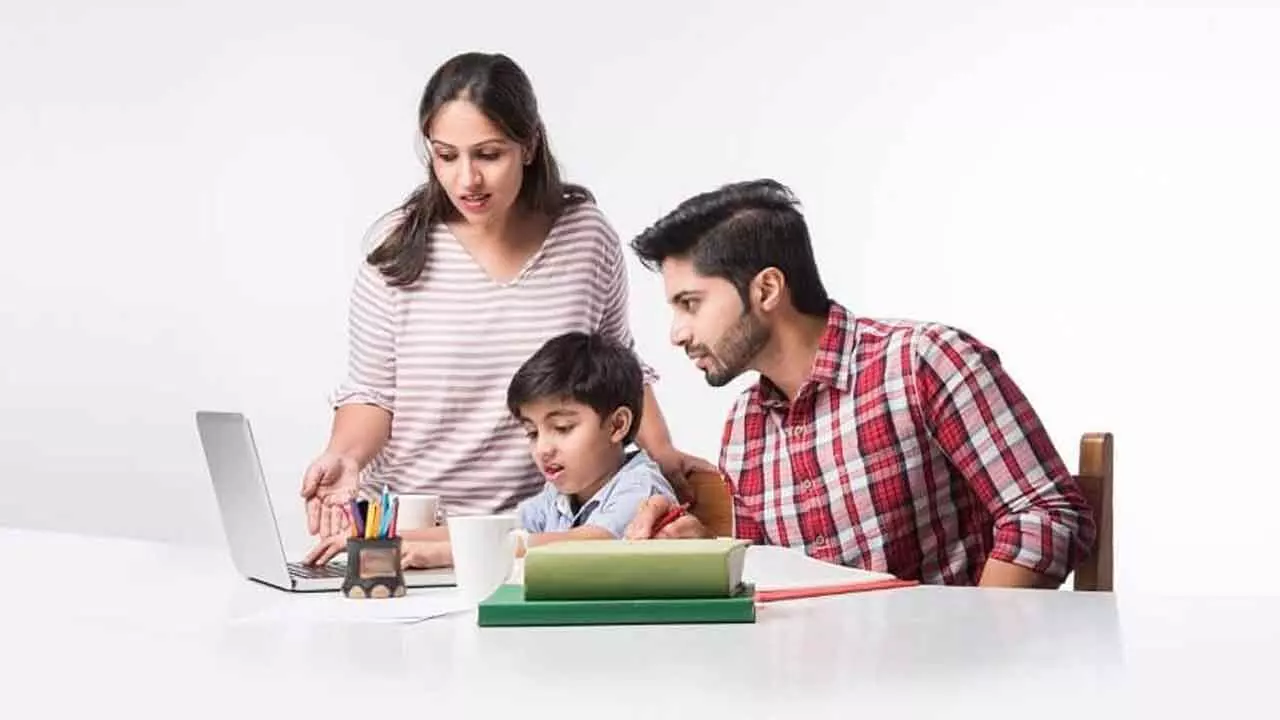
What stands out in this transition is that it is not about parents losing influence or students rebelling. Indian families continue to value collective decision-making. What has changed is the tone of that process. Decisions are becoming more collaborative. Students come prepared with research and clarity. Parents bring perspective, caution and long-term thinking. Responsibility is shared.
In many ways, this reflects a broader social evolution. Indian households are learning to balance tradition with individuality, security with aspiration. The family remains central -- but within it, conversations are more open, voices more equal.
Decision-making today is less about instruction and more about dialogue. And in that dialogue, both parents and students are discovering that the strongest choices are the ones made together.
(The author is Vinu Warrior, Managing Partner & Founder at Eduvelocity Global)