Calm within the storm: Holistic ways to conquer exam blues


Exam season is underway in schools and the student community is already spending every waking hour studying. For board classes there is an added pressure of competitive entrance exams that will follow soon, and will decide the direction their career will take. With such high stakes, rather than simply being tests of knowledge, they have become tests of emotional steadiness.
Examinations are often equated with stress. It so because our mind reacts differently in moments of evaluation. While a little stress is good as it keeps the students on their toes, a lot of students end up taking more stress than they can manage. The mind is conditioned to associate evaluation with judgement and outcome. Any disbalance and it leads to chronic stress. Arrival of stress maybe natural, but for how long it stays is the students’ choice.
A calm mind is essential while preparing for the exams so that what you learn and understand stays with you, not just till the day of examination but till eternity. And while writing the exam, it is essential to control this stress so that one can recall all that has been learnt. The moment stress overtakes, students end up messing their answer sheets, scoring way below their capabilities and potential. Students are often advised to curb stress. Take a deep breath and drink water seems to be the advise that is doled out freely. However, there are better ways to beat this exam pressure and stress in a balanced way.
Conscious breathing is the most powerful stabilising tool available to us. Breath and mind are deeply connected. Shallow breathing leads to a restless mind, thus students must focus on slow, steady and deep breaths. Pranayama is a great way to train your body in slow, deep inhalation and gentle exhalation. As the oxygen supply improves, the nervous system begins to calm down and the body gently shifts from being in a state of alert tension to composed awareness.
For those who are giving exams or about to appear in situations like interviews where they might face extreme stress, the solution is very simple and all it needs is 10 minutes. Just focus on your breath, and for those ten minutes let the calmness take over. One can practise this on an everyday basis as well to reduce the mental noise, steady emotional fluctuations and restore clarity. As anxiety softens over time, stress will automatically come down. This inner balance leads to a quiet confidence where students can then deal with tricky exam papers that they end up facing at some point of time.
The belief should also align as it influences performances. After having studied the syllabus it is important for the student to believe in herself or himself before an exam. Self-doubt, negative thinking can only trigger more stress. The stability thus created enables the students to compose
their mind, recall information accurately, improvement in thoughtful responses.
Top it up with meditation and it will further help in calming down the nerves. Just sit quietly for a few minutes every day. This way one can train the mind to observe thoughts without being overwhelmed. This disciplined approach shall create a discipline that will lead to emotional resilience. Thus, pressure situations will be easily manageable, inside of creating chaos inside the mind.
As breathing brings balance this balance builds belief. Ultimately the belief strengthens performance and leads to desired results. Remember, nervous before an exam is not the problem, how it impacts you is. As the mind becomes clear, life becomes clearer, and students approach their exams with confidence, steady breath and hope for their future.
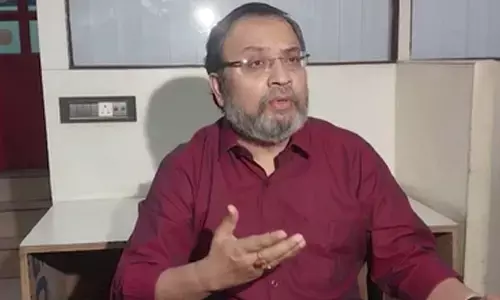
(The author is Life Coach, Spiritual Mentor and Social Reformer)
• Practise conscious breathing: Slow, deep breathing helps calm the nervous system and reduces anxiety instantly. Just 10 minutes of focused breathing daily can shift the mind from panic to clarity.
• Build inner confidence: After preparing well, trust your effort and ability. Positive self-belief reduces self-doubt and prevents unnecessary stress before and during exams.
• Meditate for mental clarity: Sitting quietly for a few minutes each day trains the mind to stay steady under pressure. Meditation improves emotional balance and helps students respond thoughtfully in exams.
• Maintain a balanced routine: Adequate sleep, short study breaks, light physical movement, and proper hydration keep the brain functioning efficiently. A healthy routine strengthens focus and prevents burnout during intense preparation periods.
• Manage stress, don’t fear it: A little stress can motivate, but too much can block memory and performance. Learn to recognise rising stress early and use breathing, reflection, and calm thinking to regain control