From darkness to opportunity: Aahwahan Foundation lights up remote Kodagu villages with solar power

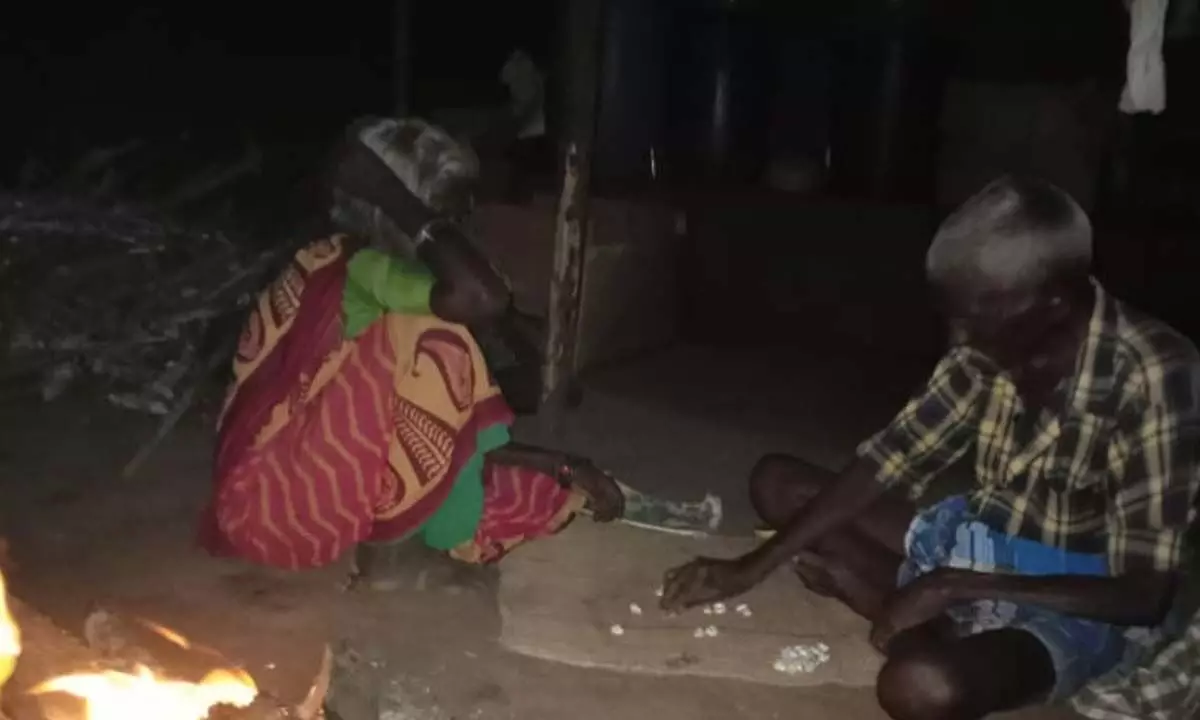
Madikeri: For generations, sunset in many remote villages of Kodagu meant the beginning of long, difficult hours in darkness. Kerosene lamps flickered uncertainly, children struggled to study, and women hurried through chores with constant safety concerns. Today, that story is being rewritten with the launch of Project Chirag – Solar Village Initiative by Aahwahan Foundation.
The transformative initiative is bringing clean and reliable solar-powered electricity to some of the most underserved communities in the district. Implemented across 17 villages—including Nittur, Ponnappasanthe, Balele, Balyamandur, Nalkeri and Kirgur—the project has already reached 630 households, positively impacting the lives of more than 2,243 people.
Designed to combat energy poverty, Project Chirag equips each beneficiary home with a complete solar lighting system. Every household receives a 150Wp solar panel, a 120Ah solar tubular battery and a 10A charge controller. The system powers four energy-efficient LED lights, an 18W pedestal fan and a mobile charging facility. With up to 48 hours of power backup, families now enjoy dependable lighting for 3–4 hours daily and extended fan usage, depending on sunlight availability.
But the impact goes far beyond mere illumination. Brighter homes have meant brighter futures. Children can now study comfortably after dark, women feel safer completing evening chores, and families experience a renewed sense of security—especially in villages located near forest areas where wildlife movement is common.
Small shopkeepers and home-based entrepreneurs are also benefiting, as access to electricity allows them to extend working hours and explore new income opportunities. The initiative is steadily improving quality of life while strengthening local livelihoods.
Reflecting on the journey, Mr. Braja Kishore Pradhan, CEO & Founder of Aahwahan Foundation, said, “When I first visited these villages, darkness wasn’t just about the absence of light—it reflected a lack of opportunity, safety, and dignity. Through Project Chirag, we are seeing children study without fear, women move freely after sunset, and families reclaim their nights. Solar energy has restored not just visibility, but hope and independence.”
Residents have welcomed the change with gratitude. A villager from Nittur shared, “Earlier, evenings were unsafe and difficult due to lack of electricity. Now our homes are bright, children study peacefully, and we feel secure after dark.”
By replacing kerosene lamps with renewable solar energy, the project is also reducing indoor air pollution and cutting dependence on fossil fuels. Built with durable, low-maintenance components, the systems are designed for long-term sustainability.
Project Chirag stands as a powerful example of how clean energy can drive social transformation. In the hills of Kodagu, electricity is no longer a distant dream—it is becoming the foundation for education, safety, dignity and a truly brighter future.