Human safety and wildlife protection go hand in hand: Khandre

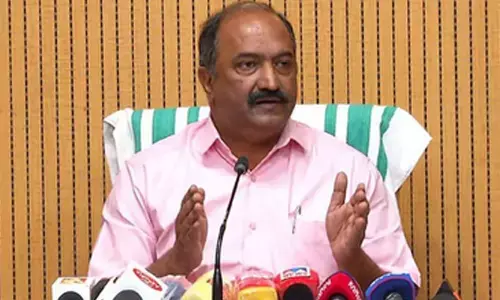
Forest Minister Eshwar Khandre here today outlined Karnataka’s multi-layered strategy to reduce human–wildlife conflict, emphasising faster response, improved coordination and stronger accountability within the Forest Department.
Addressing reporters during his visit to Pilikula Nisargadhama for the Haki Abba programme, Khandre said the government was committed to ensuring that wildlife protection does not come at the cost of human safety. He highlighted increasing incidents involving elephants and wolves in parts of the State, particularly near forest fringes. “We are taking every possible step to stop human–wildlife conflict. Where animals stray into human settlements, our focus is on protecting lives on both sides,” the minister said, adding that Karnataka’s forest management systems were among the most advanced in the region.
Khandre said an Elephant Task Force has been activated and strengthened in response to concerns raised by local representatives from affected constituencies. The task force works alongside a centralised command centre in Bengaluru, which operates a helpline to receive alerts related to wildlife movement.
Explaining the process, the minister said distress calls are immediately forwarded to local forest officials, including range forest officers and divisional forest officers. Field teams are dispatched to assess the situation, study animal behaviour and decide on appropriate interventions. “Whether the elephant is alone or part of a herd, where it has come from, and how best it can be guided back — all of this is analysed on the ground,” he said. Khandre also said the command centre enables the department to evaluate response time and responsibility. “We can see when information was received, when action was taken, and if there was any delay. This helps us fix accountability,” he noted. The minister added that the government is planning residential buildings for forest personnel in sensitive zones to improve vigilance and response capacity.