How to Use Mirrors to Transform Every Room in Your Home

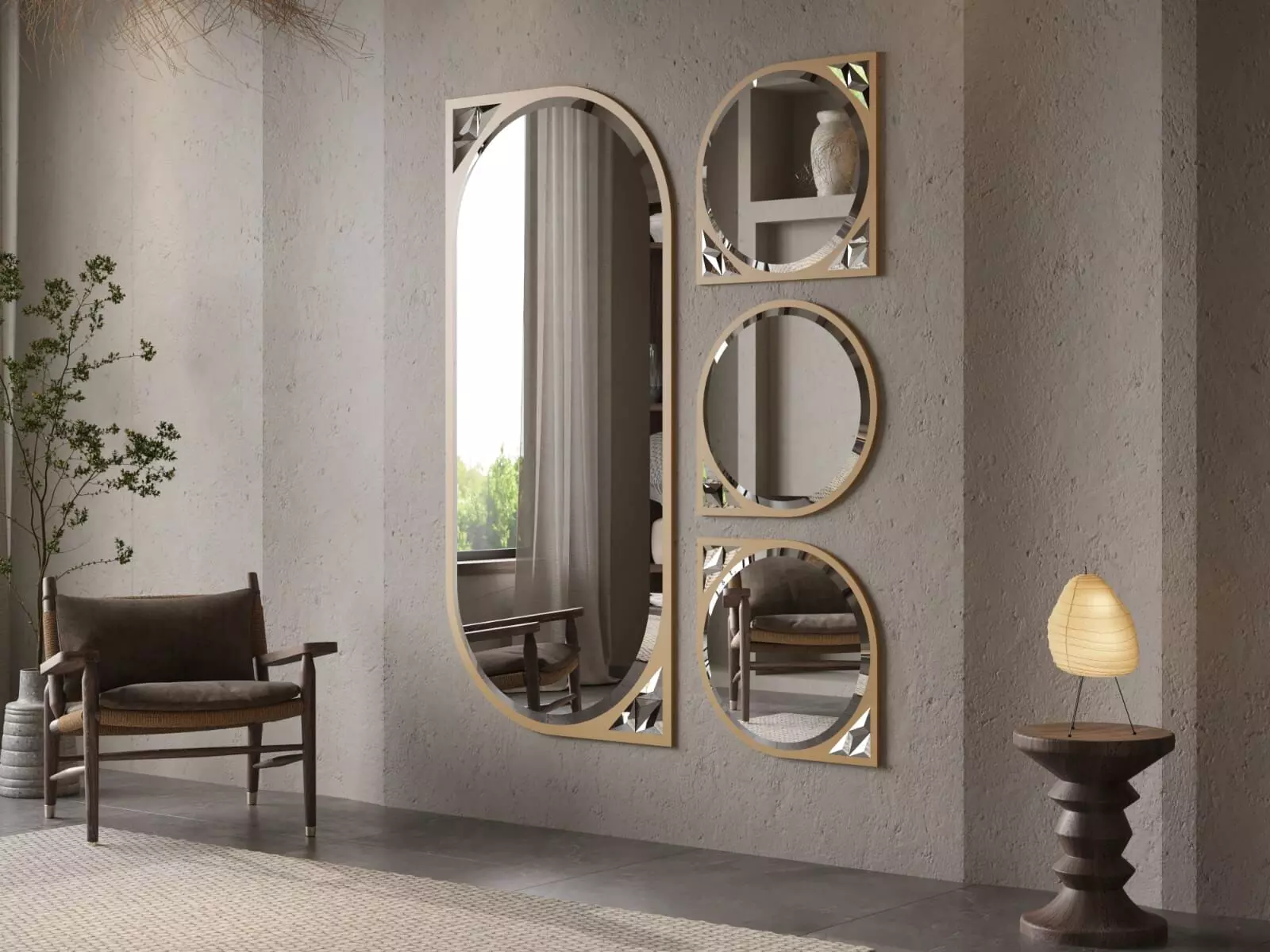
Mirrors have long been one of the most powerful yet underrated tools in interior design. More than just functional household items, mirrors shape how we experience space, light, and proportion. When chosen thoughtfully, they can make rooms feel brighter, larger, and more balanced — without the need for costly renovations.
From elegant living room mirrors that create a focal point to bespoke mirrors designed for unique layouts, today’s mirror designs combine craftsmanship with aesthetics. This guide explores how mirrors can be used effectively in every room of the home, how decorative styles influence interiors, and why handcrafted mirrors are becoming increasingly popular in modern design.
Why Mirrors Matter in Interior Design
Mirrors play a dual role: practical and decorative. While their primary purpose is reflection, their impact goes far beyond appearance. Designers frequently use mirrors to manipulate light, enhance symmetry, and create visual depth.
Key benefits of mirrors in interiors include:
• Enhancing natural and artificial light
• Making small rooms feel more spacious
• Creating focal points without clutter
• Adding architectural interest
• Reflecting textures, colours, and artwork
When positioned correctly, mirrors can completely alter the perception of a room — especially in homes with limited natural light or compact layouts.
Living Room Mirrors: Creating Space, Light, and Style
The living room is where mirrors deliver the most dramatic impact. As a shared space used for relaxing and entertaining, balance and visual flow are essential.
Large living room mirrors can visually double the size of the space when placed opposite windows or light sources. This technique reflects daylight throughout the room, making it feel brighter and more open.
Best Mirror Styles for Living Rooms
• Oversized wall mirrors for open-plan spaces
• Decorative framed mirrors above fireplaces
• Asymmetrical or organic-shaped mirrors for modern interiors
• Minimalist frameless mirrors for contemporary homes
Selecting the right mirror style depends on the room’s layout and furniture. Neutral-toned frames complement modern interiors, while textured or handcrafted frames add warmth and character.
A curated selection of handcrafted living room designs can be found at
https://merithome.co.uk/room/living-room/
where mirrors are designed to balance proportion, craftsmanship, and visual impact.
Decorative Mirrors as Statement Pieces
Decorative mirrors are no longer just accessories — they are centrepieces. Whether ornate or understated, a decorative mirror draws attention and defines the mood of a space.
How Decorative Mirrors Elevate Interiors
• Add personality without overwhelming the room
• Introduce texture and depth through handcrafted frames
• Work as wall art in minimalist interiors
• Soften architectural lines in modern spaces
Decorative mirrors are particularly effective in areas such as hallways, dining rooms, and bedrooms, where they enhance style while remaining functional.
A wide range of decorative mirror styles — from subtle modern designs to bold statement pieces — can be explored here:
https://merithome.co.uk/style/decorative/
Bespoke Mirrors: Designed for Your Space
While ready-made mirrors suit many interiors, some spaces demand a more tailored approach. Bespoke mirrors are custom-designed to fit specific dimensions, shapes, and design requirements, making them ideal for unique homes and layouts.
Benefits of Bespoke Mirrors
• Perfect fit for alcoves, fireplaces, or large walls
• Custom frame finishes and materials
• Choice of shape, size, and edge detailing
• Better integration with furniture and architecture
Bespoke mirrors are especially valuable in older properties, modern extensions, or luxury interiors where standard sizes may not work. They allow homeowners to maintain design continuity while solving spatial challenges.
Handcrafted bespoke mirrors also offer superior build quality, often using traditional techniques that ensure durability and long-term value.
Mirrors in Hallways: Making a Strong First Impression
Hallways are often overlooked, yet they set the tone for the entire home. Mirrors are one of the simplest ways to transform these narrow or dim spaces.
Placing a decorative mirror in a hallway:
• Reflects light into darker areas
• Creates the illusion of width
• Adds elegance without clutter
Tall vertical mirrors work well in narrow hallways, while grouped decorative mirrors can create visual interest in larger entrance spaces.
Bedroom Mirrors: Balance and Softness
In bedrooms, mirrors should feel calm and intentional. Rather than dominating the room, they should complement the overall design.
Ideal Bedroom Mirror Placements
• Full-length mirrors near wardrobes
• Decorative mirrors above dressing tables
• Subtle wall mirrors that reflect natural light
Avoid placing mirrors directly opposite the bed if the room is small, as this can feel visually overwhelming. Soft frames and neutral tones help maintain a peaceful atmosphere.
Bathroom Mirrors: Function Meets Design
Bathroom mirrors are essential, but that doesn’t mean they have to be purely practical. Well-designed mirrors can elevate even the simplest bathroom.
Key considerations include:
• Moisture-resistant materials
• Adequate lighting integration
• Proportional sizing relative to the vanity
Framed mirrors add warmth to minimalist bathrooms, while bespoke designs ensure a seamless fit above custom basins.
Dining Room Mirrors: Enhancing Atmosphere
Dining rooms benefit greatly from mirrors, particularly when entertaining. A mirror placed to reflect pendant lights or chandeliers amplifies warmth and ambience.
Large horizontal mirrors work well behind dining tables, while decorative mirrors can echo the shape or style of dining furniture for a cohesive look.
Craftsmanship and Handmade Mirrors
In an era of mass production, handcrafted mirrors stand out for their quality and individuality. Handmade mirrors often feature:
• Carefully finished frames
• Superior materials
• Attention to detail
• Unique character
Brands such as Merit Home focus on handcrafted mirrors that blend timeless craftsmanship with modern design sensibilities. This approach ensures that each mirror is not only functional but also a lasting design element.
How to Choose the Right Mirror for Your Home
When selecting a mirror, consider the following:
1. Purpose – decorative, functional, or both
2. Placement – wall size, height, and surrounding elements
3. Style – modern, classic, minimalist, or statement
4. Light – what the mirror will reflect
5. Scale – proportion relative to furniture and room size
Investing in quality mirrors — especially bespoke or handcrafted designs — ensures longevity and visual harmony throughout the home.
Final Thoughts
Mirrors are one of the most versatile design elements available to homeowners. From expansive living room mirrors that transform space to elegant decorative mirrors that elevate style, the right mirror can redefine an interior.
Whether choosing ready-made designs or investing in bespoke mirrors, thoughtful selection makes all the difference. High-quality craftsmanship, balanced proportions, and intentional placement turn mirrors into timeless design features rather than simple accessories.
As interior trends continue to evolve, mirrors remain a constant — reflecting not only light, but personal style and the character of a home.