Mahashivratri and the Science of Inner Regulation: How Lunar Cycles Influence Human Rhythm and Stability

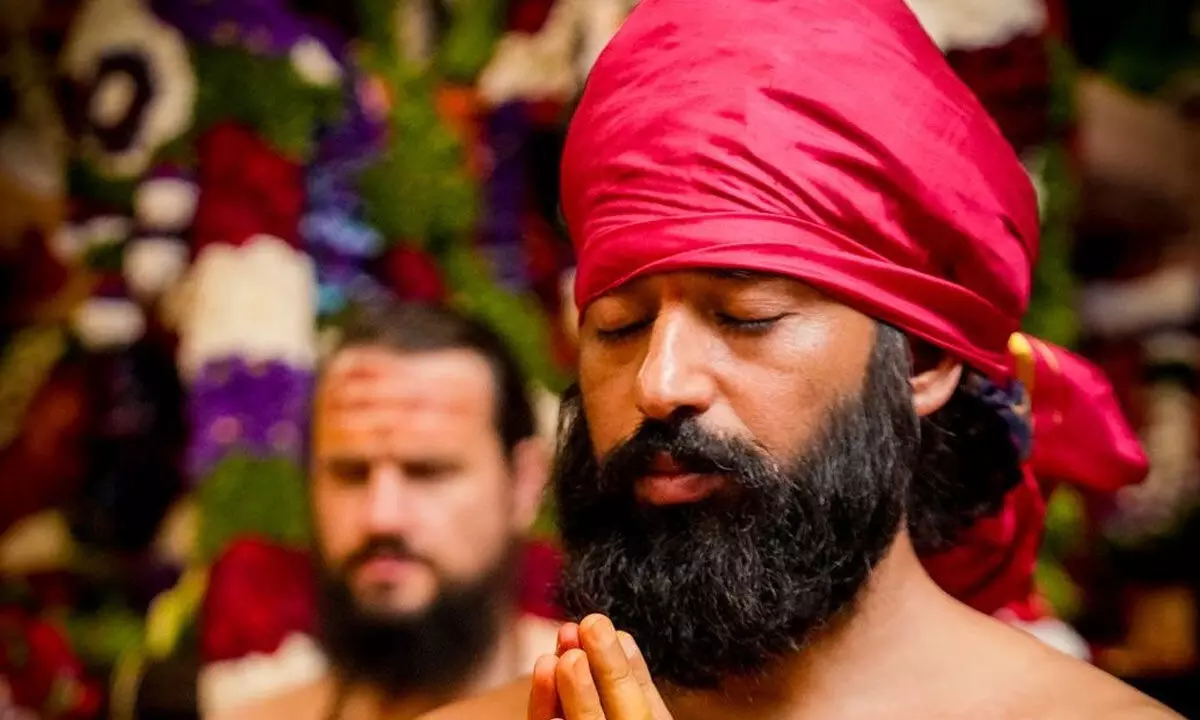
Bengaluru : Mahashivratri, observed annually across India, is increasingly being viewed through the lens of health and human regulation rather than ritual alone. Rooted in Himalayan yogic sciences, the night is recognised as a naturally supportive window for nervous system balance, mental clarity, and physiological coherence.
According to Himalayan Siddhaa Akshar, Mahashivratri occurs at a precise point in the lunar cycle—just before the new moon—when subtle gravitational and planetary influences interact with the human system. “At this phase, the body’s energy and attention naturally turn inward. This inward orientation supports calmness, stability, and an improved capacity for self-regulation,” he explains.
Rhythm, Stress, and the Human System
Human health is governed by rhythm—sleep–wake cycles, hormonal release, breath patterns, and neural activity. Chronic stress, irregular schedules, and overstimulation disrupt these rhythms, contributing to fatigue, emotional imbalance, and reduced resilience.
Mahashivratri is regarded within Himalayan traditions as a night that supports the reorganisation of these rhythms without external stimulation. “Rather than excitement or exertion, the night encourages stillness and coherence,” says Akshar. “This allows the system to recalibrate naturally.”
Nervous System Regulation and the Role of Posture
Nighttime already promotes inward attention as sensory input reduces and the nervous system settles. Mahashivratri is believed to amplify this effect through cosmic alignment. Practices associated with the night emphasise upright posture, conscious wakefulness, and regulated breathing.
The spine plays a central role in this process. As the primary neurological axis, spinal alignment supports efficient neural communication and autonomic balance. Remaining upright and attentive through the night is said to enhance clarity and reduce internal agitation.
“Stillness is not created by forcing the body to stop,” Akshar notes. “It arises when unnecessary internal movement dissolves.”
Sound, Breath, and Coherence
Sound-based practices, particularly those using precise Sanskrit phonetics, are integral to Mahashivratri observances. These sounds work through vibration rather than meaning, influencing respiratory rhythm and neural activity.
“When sound, breath, and posture work together, the nervous system shifts toward coherence,” Akshar explains. “This reduces internal friction and supports clarity without effort.”
A Sustainable Approach to Wellbeing
Unlike short-term wellness interventions that rely on stimulation or intensity, Mahashivratri practices aim to support long-term stability. The emphasis is on alignment rather than achievement, allowing benefits to extend beyond the night itself into daily focus, emotional balance, and stress resilience.
“Preparation of the system determines its capacity to hold,” says Akshar. “Mahashivratri offers a naturally supportive timing to reorganise the body and mind into alignment.”
As global interest grows in circadian health, nervous system regulation, and integrative approaches to wellbeing, Mahashivratri continues to gain relevance—not as a religious observance, but as a time-tested framework for restoring internal balance through rhythm, awareness, and alignment.