Residents rally to save Kadugodi Reserve Forest

Bengaluru’s ‘lung space’ under threat in city’s eastern corridor
Bengaluru: In a rare show of collective civic action, residents of the Whitefield region in Bengaluru have launched one of the largest citizen campaigns in recent years to protect the sprawling Kadugodi Reserve Forest, widely regarded as one of the last major “lung spaces” in the city’s rapidly urbanising eastern corridor.
The campaign, spearheaded by the Whitefield Resident Welfare Association, has gathered more than 20,000 signatures from residents of Whitefield, Kadugodi and surrounding localities. The signatures, compiled into a detailed memorandum, have been submitted to the Karnataka government urging immediate and permanent protection of the 711-acre forest patch. Located in the densely built Whitefield–Mahadevapura belt of Bengaluru, the Kadugodi Reserve Forest represents one of the few remaining large green landscapes in the area. Over the past two decades, the region has transformed into a technology and residential hub, with glass-fronted IT parks, apartment complexes and busy highways replacing much of the natural terrain.
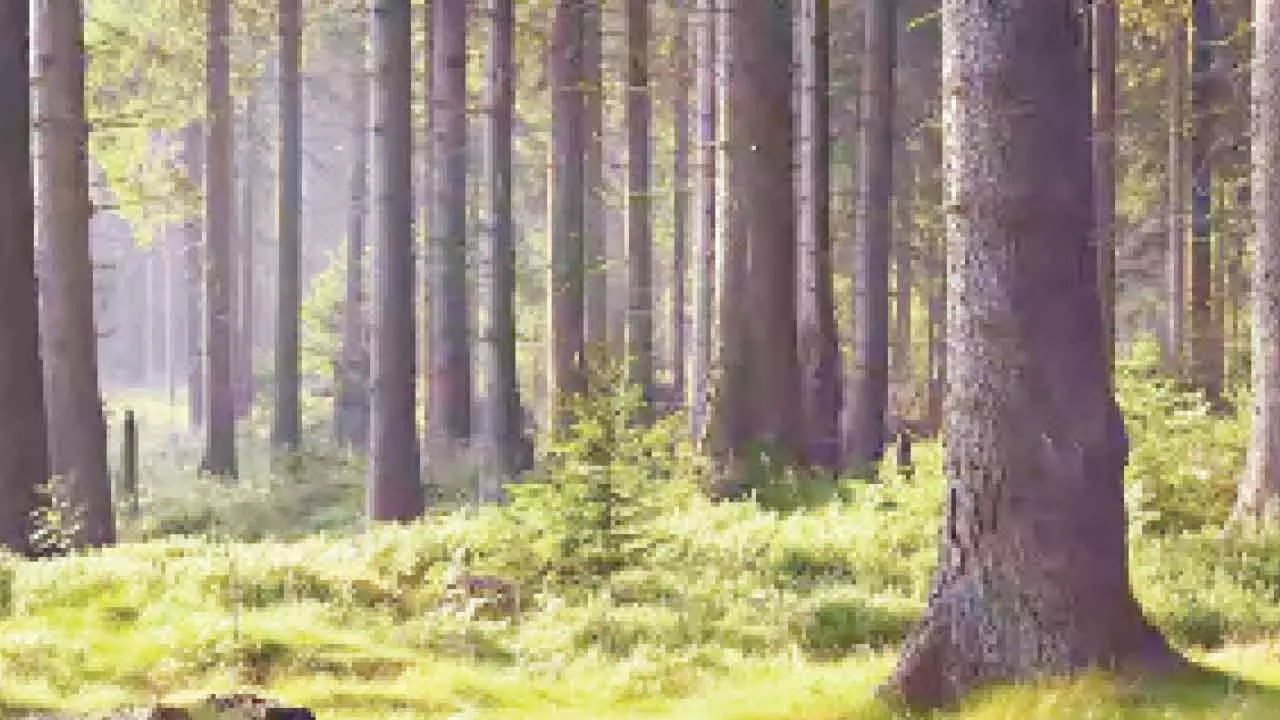
In this urban setting, the forest plays a vital ecological role. Environmental experts describe it as a natural “lung space” for the eastern parts of the city, helping absorb carbon dioxide, filter harmful particulate matter and moderate temperatures. Large urban forests are known to reduce local heat by several degrees, recharge groundwater and create a healthier micro-climate for surrounding neighbourhoods.
For lakhs of residents living in the IT corridor, the forest is also a rare refuge from traffic congestion, construction dust and worsening air pollution. Spread across undulating terrain and dry deciduous woodland, the forest hosts a variety of native flora and fauna. Residents and environmentalists say the patch supports numerous bird species, small mammals, reptiles and native trees typical of the Deccan plateau ecosystem.
Such biodiversity pockets have become increasingly scarce in Bengaluru as urban expansion has swallowed lakes, wetlands and wooded tracts over the past three decades. “Once destroyed or fragmented, a forest of this scale cannot be recreated. Protecting it is essential not only for biodiversity but also for the city’s climate resilience and public health,” members of the residents’ group said in their representation to the government.
The campaign has also gained momentum in the backdrop of legal disputes surrounding alleged violations within the forest area. Four First Information Reports (FIRs) have been registered over the years in connection with activities in the forest patch. According to residents, one FIR was filed following allegations of illegal felling of about 110 trees. Two other FIRs were registered by the Karnataka Forest Department—one relating to the alleged felling of sandalwood trees and another concerning the transportation of timber without proper permits. These cases involve alleged violations linked to the Embassy Group, though the company has not publicly responded to the latest developments.
Residents have also raised concerns about a series of fires reported in the forest since 2023. Neighbours have alleged that attempts were made to burn parts of the forest on three to four occasions. While the incidents were reported in the media, no formal cases of arson have been registered so far.
Citizen groups say the situation underscores the urgent need for stronger protection and monitoring of the reserve forest. For many residents of East Bengaluru, the fight to save Kadugodi Reserve Forest represents more than just a local environmental issue. It has become a larger battle over the future of a city struggling to balance rapid urban growth with the preservation of its remaining natural ecosystems.