Youth must lead green drive: Forest Minister

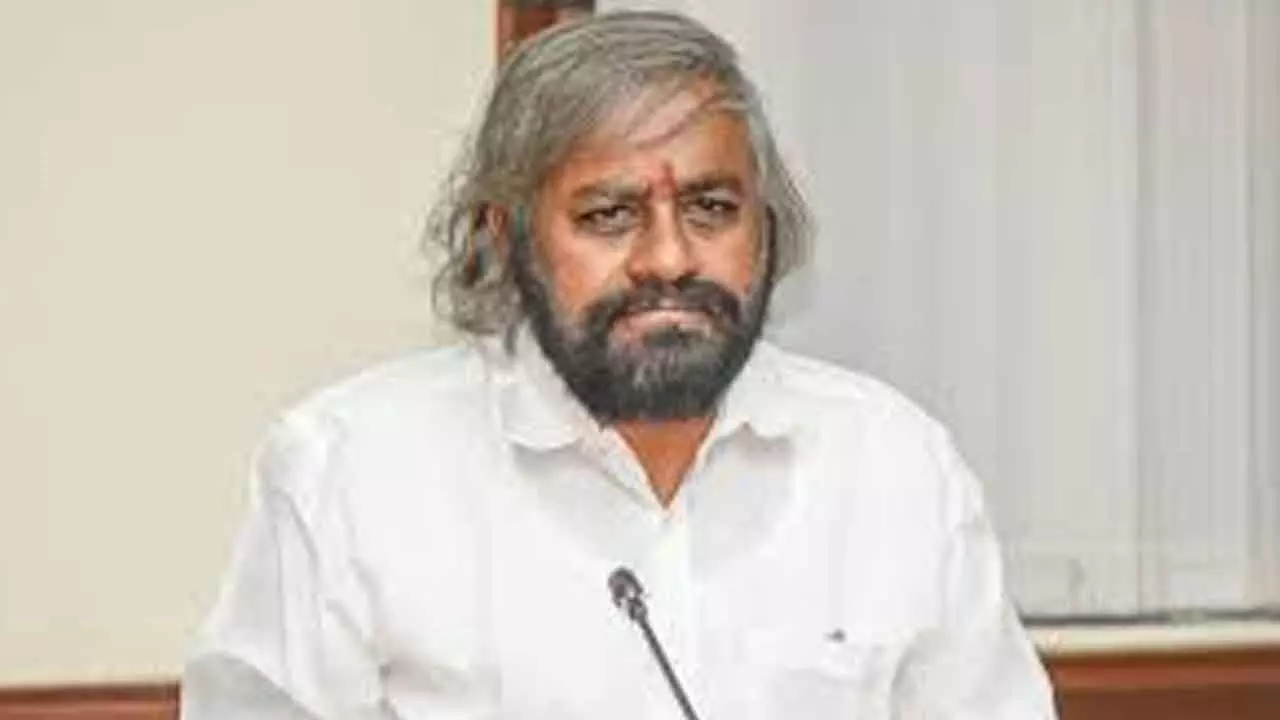
Bengaluru: Karnataka currently faces a 12 per cent shortfall in forest cover, and achieving at least a 1 per cent increase in green cover across the state requires planting 10 crore saplings, according to Forest, Ecology and Environment Minister Eshwar Khandre.
He delivered these observations as the chief guest at a national workshop titled “Role of Youth in Environmental Protection,” jointly organised by the Environmental Science Department of Bengaluru University, the Rural Literacy and Health Programme, and the Karnataka State Youth Network.
The minister explained that ideally, 33 per cent of the state’s geographical area should be under forest cover, but the existing figure stands at only 21 per cent. This leaves a significant 12 per cent deficit. Over the past three years, he noted, as many as 11 crore saplings have already been planted throughout Karnataka.
He called for a sharp reduction in concrete expansion within urban areas. To raise the green cover by a minimum of 1 per cent, the massive target of 10 crore saplings must be met. The minister emphasised that this goal cannot be achieved by the government alone as voluntary organisations, the general public, and especially students must commit to tree planting and take ownership of nurturing an environmental culture.
Pointing to Bengaluru’s deteriorating air quality, he mentioned that the Air Quality Index has crossed 100.
If the trend persists, he cautioned, the city could face pollution-related problems similar to those in Delhi. There is an urgent need, he said, to enhance clean and healthy surroundings in Bengaluru.
On the broader aspect of maintaining nature’s balance, the minister reaffirmed the government’s commitment to wildlife conservation. He described insects, plant species, and animal populations as integral components of ecological equilibrium. While human life holds immense value, protecting wildlife is equally vital, he asserted, urging students to reflect deeply on this matter.
He encouraged young people to actively promote reduced plastic usage and enforce the ban on single-use plastics within society. Students should also spread awareness about waste processing, water reuse, and the dangers of noise pollution.
As future citizens, the minister told the participants, students must show genuine concern for nature and the environment and participate energetically in conservation efforts.