DIY Face Masks For Every Skin Type: Safe, Simple At-Home Skincare Solutions

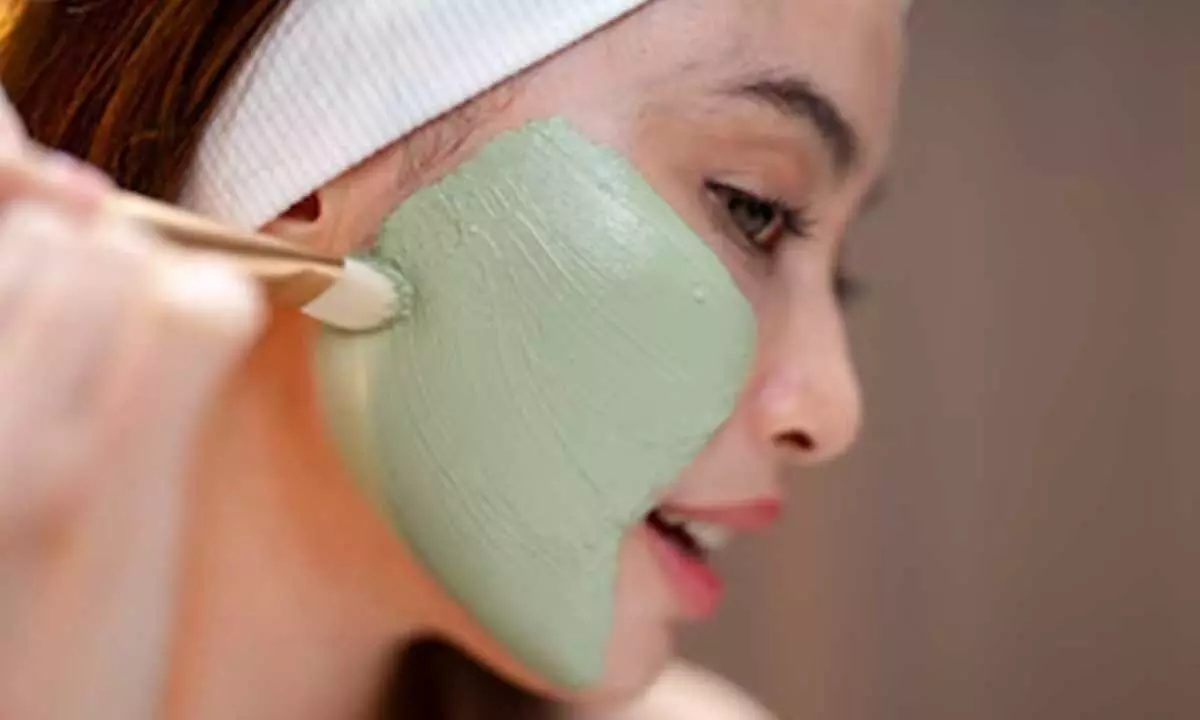
These easy DIY face masks use everyday kitchen ingredients to nourish, balance, and refresh your skin safely at home.
The growing popularity of clean beauty and minimalist skincare has brought homemade face masks back into focus. Many people are now turning to simple, kitchen-based remedies to support their skincare routines. When chosen carefully and used in moderation, DIY face masks can offer gentle nourishment, improve skin texture, and provide a calming, spa-like experience at home. However, understanding your skin type remains the most important step for safe and effective results.
Homemade face masks are best viewed as supportive care rather than miracle treatments. They can complement regular skincare but should not replace dermatologist-recommended solutions for persistent skin concerns.
For Dry Skin: Restoring Moisture and Comfort
Dry skin often feels tight, flaky, and dull due to a lack of natural oils. Ingredients rich in vitamins and natural fats work well to replenish moisture. A blend of mashed ripe banana, honey, and milk or fresh cream helps deeply nourish the skin. Banana provides essential nutrients, honey locks in hydration, and dairy ingredients soften and soothe, leaving the skin feeling supple and refreshed.
For Oily Skin: Controlling Excess Oil
Oily skin produces excess sebum, which can clog pores and lead to breakouts. Multani mitti combined with rose water creates an effective oil-absorbing mask. This mixture helps cleanse pores, reduce shine, and calm the skin. For those without sensitivity, a small amount of lemon juice may be added, but overuse should be avoided to prevent dryness.
For Acne-Prone Skin: Gentle and Soothing Care
Skin prone to acne requires extra caution. Harsh ingredients or scrubbing can worsen inflammation. A simple mask made with aloe vera gel and a pinch of turmeric offers calming and antibacterial benefits. Aloe vera helps reduce redness and supports healing, while turmeric may assist in controlling bacteria associated with breakouts.
For Combination Skin: Achieving Balance
Combination skin presents both oily and dry areas, making balance essential. A light mask using yogurt and honey works well across the face. Yogurt gently refreshes the skin through mild exfoliation, while honey maintains hydration without adding greasiness, helping achieve an even, healthy appearance.
For Dull or Tired Skin: Reviving Natural Glow
Daily exposure to pollution, stress, and lack of sleep can leave skin looking tired. A traditional mix of besan, milk or rose water, and a small pinch of turmeric has long been used to enhance brightness and clarity. This mask helps refresh the complexion and restore a natural glow.
Tips for Safe Use of DIY Face Masks
Always perform a patch test before applying any new mixture. Limit use to once a week unless advised otherwise. Avoid harsh or acidic ingredients that may damage the skin barrier. Most importantly, remember that DIY masks support overall skincare but are not substitutes for medical treatments.
With consistency, awareness of skin needs, and a mindful approach, homemade face masks can be a simple and enjoyable way to care for your skin naturally.