Can People with Diabetes Eat Chickoo? Experts Advise Caution

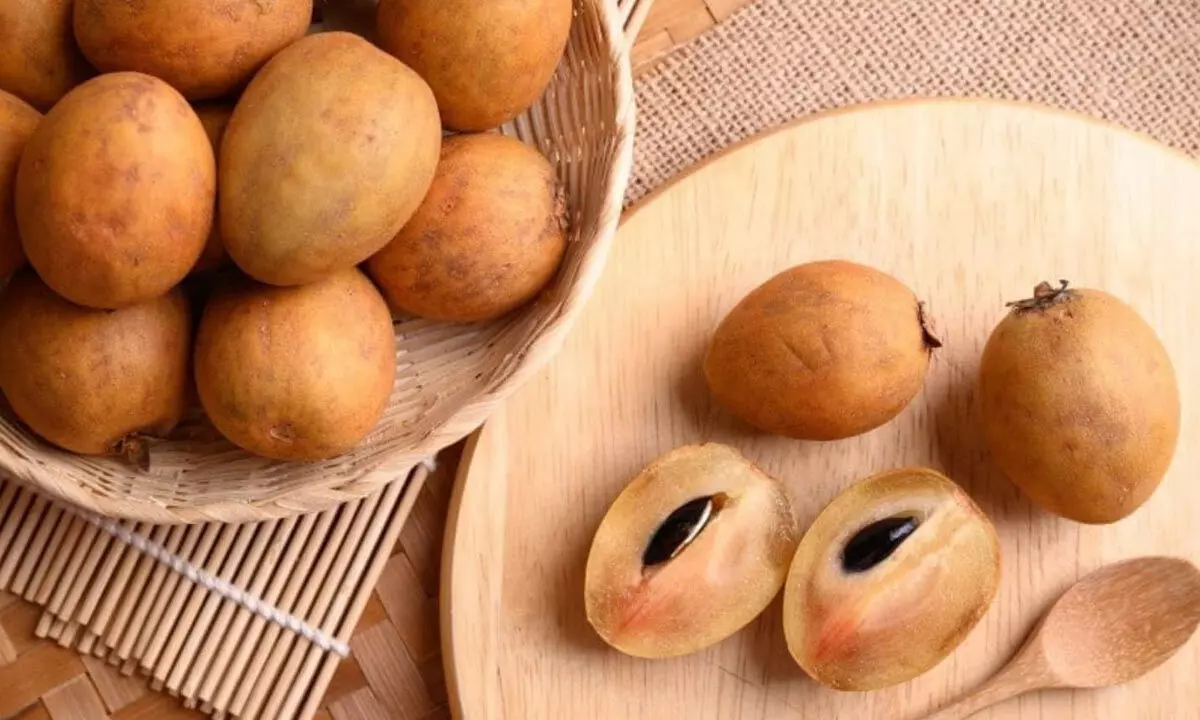
Chickoo is nutrient-rich and beneficial, but its high natural sugar content makes portion control essential for diabetics.
Chickoo, also known as sapota, is a tropical fruit cherished for its caramel-like sweetness and soft, grainy texture. While fruits are generally considered a healthy addition to daily meals, those living with diabetes often need to be selective. Chickoo, in particular, raises questions because of its natural sugar content.
Despite its modest brown exterior, chickoo is packed with essential nutrients. It contains vitamins A, B-complex, C and E, along with important minerals such as calcium, magnesium, potassium and manganese. The fruit is also rich in dietary fibre and antioxidants, both of which play a key role in maintaining overall health. Fibre supports smooth digestion, while antioxidants help the body combat oxidative stress and strengthen immunity.
Health Benefits Beyond Sweetness
Nutrition experts highlight that chickoo offers several wellness benefits when consumed in moderation. Its fibre content aids digestion and can help manage common stomach concerns such as constipation and bloating. The fruit is also known to support gut health and promote regular bowel movements.
Chickoo’s mineral profile contributes to bone strength and cardiovascular health. Potassium helps regulate blood pressure levels, while magnesium supports muscle and nerve function. The antioxidants present in the fruit may help reduce inflammation and protect cells from damage.
In addition, chickoo serves as a natural energy booster. The fruit contains fructose and sucrose, which provide quick energy, making it a popular choice among individuals who feel fatigued or engage in regular physical activity. Its vitamin E content is associated with skin health, potentially helping to maintain elasticity and reduce signs of ageing.
Pregnant women sometimes consume chickoo in limited amounts, as it may help manage nausea and occasional dizziness. However, dietary decisions during pregnancy should always be guided by a healthcare professional.
The Diabetes Dilemma
While chickoo has an impressive nutritional profile, its suitability for people with diabetes remains a matter of caution. The fruit is high in natural sugars and carries a relatively high glycaemic load. This means it can cause blood sugar levels to rise quickly, particularly when eaten in large quantities.
For individuals with poorly controlled diabetes or unstable blood glucose levels, frequent consumption of chickoo may not be advisable. Even for those with well-managed diabetes, portion size is critical. Eating small quantities occasionally, rather than daily servings, may help reduce the risk of sudden glucose spikes.
Healthcare professionals generally recommend pairing fruits like chickoo with protein or healthy fats to slow down sugar absorption. Monitoring blood sugar levels after consuming the fruit can also help individuals understand how their body responds.
Who Should Avoid It?
Certain groups may need to avoid chickoo altogether. People with uncontrolled diabetes are often advised to stay away due to the risk of elevated blood sugar. The fruit also contains natural latex and tannins, which could trigger allergic reactions in sensitive individuals. Anyone trying chickoo for the first time should be mindful of possible reactions.
Additionally, chickoo may not be ideal for those following strict weight-loss plans. It is relatively high in calories compared to many other fruits, and overconsumption could contribute to weight gain.
Better Fruit Choices for Blood Sugar Control
For people managing diabetes, lower glycaemic fruits are often considered safer alternatives. Guava, apples, pears and berries are generally recommended because they contain less sugar and more fibre, helping to stabilise blood glucose levels.
In the end, chickoo is not entirely off-limits for everyone with diabetes, but it requires mindful consumption. As with most foods, moderation and personalised medical advice remain the keys to balancing taste with health.