Dalia vs Upma: Which Breakfast Aids Faster Weight Loss?

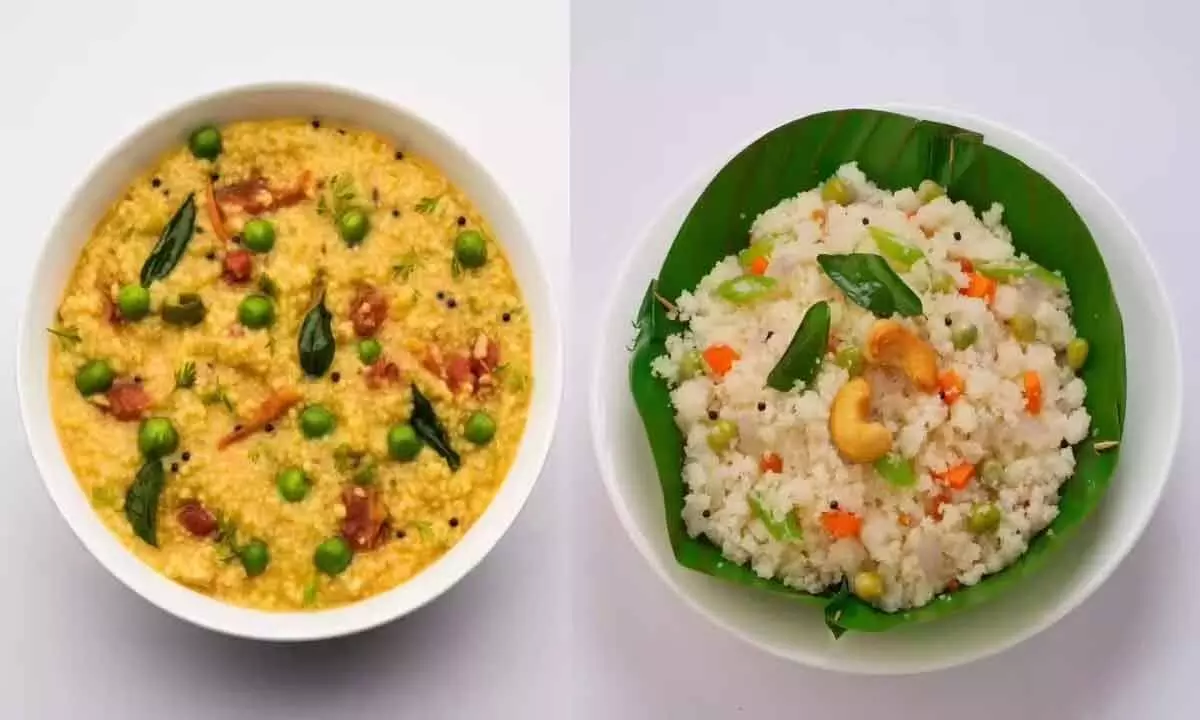
Both dalia and upma are popular breakfasts, but dalia’s higher fibre and lower calories may better support sustainable weight loss.
In many Indian homes, breakfast is built around simple, familiar dishes that are quick to cook and gentle on the stomach. Dalia and upma are two such favourites, often seen as wholesome and filling ways to start the day. Yet for people trying to shed extra kilos, the choice between the two becomes more than a matter of taste — it becomes a question of results.
At the heart of the difference lies the grain itself. Dalia is made from broken wheat, while upma is prepared using semolina or sooji. Though both look similar once cooked, their effect on the body is not the same.
Dalia contains more dietary fibre and complex carbohydrates. This means it takes longer to digest, releasing energy slowly and keeping hunger under control for extended periods. As a result, people who eat dalia for breakfast are less likely to feel the urge to snack soon after, which can be helpful during weight-loss efforts.
Upma, on the other hand, is digested more quickly. It offers a fast energy boost but may not keep one full for as long, especially if it is prepared without enough vegetables or protein-rich ingredients. This faster digestion can sometimes lead to mid-morning hunger.
Calories also influence the comparison. A bowl of cooked dalia generally provides around 150–180 calories and is naturally low in fat. Upma usually falls in the 200–220 calorie range per serving, and the count can rise further depending on how much oil, ghee, nuts or seeds are added during cooking. While upma is not unhealthy, it tends to be more calorie-dense.
Nutritional value goes beyond calories alone. Dalia offers a fair amount of plant-based protein and iron, both important for maintaining metabolism and supporting muscle health while losing weight. Upma supplies B vitamins and can become more balanced when cooked with plenty of vegetables. However, when eaten plain, it usually contains less fibre and protein than dalia.
So which one supports faster weight loss? Dalia has a modest advantage due to its higher fibre, lower calorie load and longer-lasting fullness. Still, upma can remain part of a weight-friendly diet if prepared carefully with minimal oil and generous portions of vegetables.
Ultimately, portion size, cooking method and overall diet quality matter just as much as the dish itself. But for those choosing between these two breakfast staples, dalia may offer a slightly stronger edge in the journey towards healthy, steady weight loss.