The great Indian biryani demand: How regional cuisine is powering institutional rice consumption

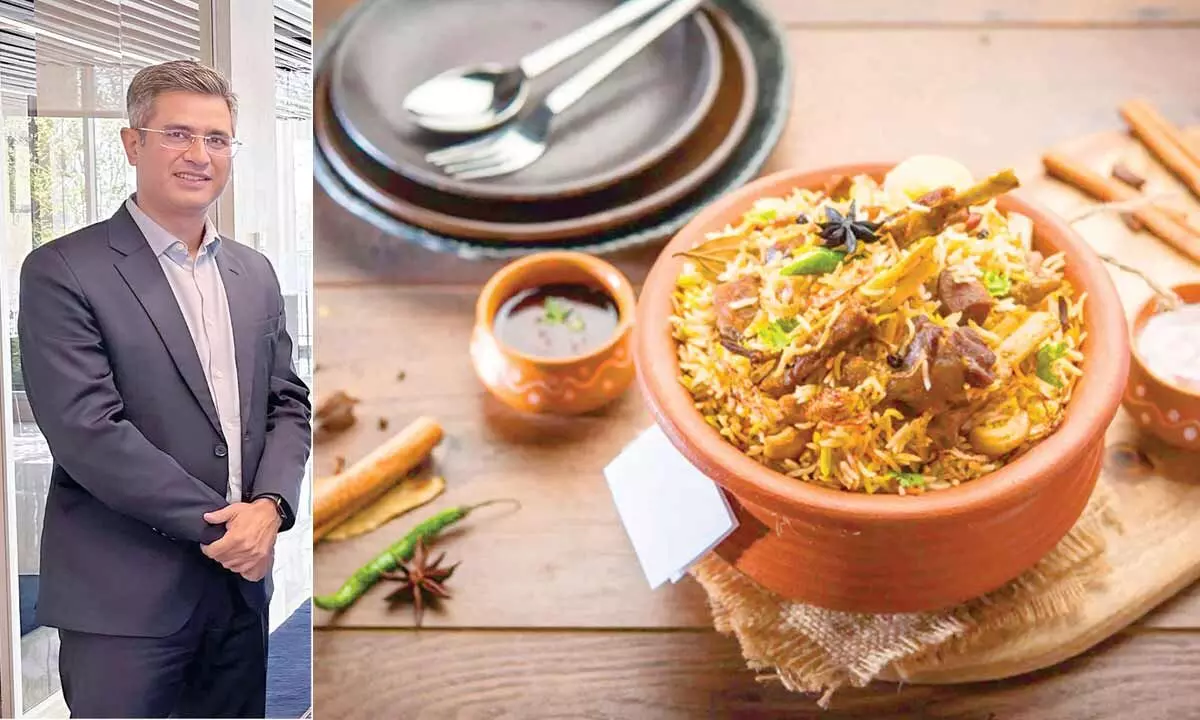
Biryani, India’s timeless culinary treasure, has evolved from a beloved home-cooked dish into a powerhouse driving the country’s foodservice industry. With regional varieties adding depth and diversity, it has become a top-seller across restaurants, caterers, and cloud kitchens. At the heart of this growth lies one essential ingredient—premium rice that delivers consistency, flavor, and authenticity at scale
India’s deep-rooted love for biryani is not just a matter of taste, as it’s fast becoming a major force shaping the country’s foodservice industry. From the saffron-scented Lucknowi dum biryani to the bold Hyderabadi version and the coconut-laced Thalassery variety, every regional recipe tells a story. But today, biryani has moved beyond kitchens at home, as it has now become the centerpiece of restaurant menus, a favourite across cloud kitchens, and a top-seller for caterers and QSR chains across India’s HORECA (Hotels, Restaurants, and Catering) sector.
This surge in biryani demand has been particularly evident in the post-COVID era. As people return to dining out and simultaneously continue ordering meals at home, food consumption patterns have transformed.
Biryani, with its rich regional variations and comforting familiarity, has emerged as a go-to choice. Whether it’s a weekend indulgence or a family gathering, biryani is finding its way into more meal occasions than ever before, both outside and within the home.
Biryani is not just a dish, but a business driver
India’s foodservice industry is growing at a robust pace, with a CAGR of over 10%, and biryani is a major contributor to this boom. It’s one of the most frequently ordered dishes across food delivery apps and a reliable best-seller for eateries nationwide. But behind this popularity lies a serious operational need that is the right rice.
Each regional biryani comes with specific requirements. Lucknowi biryani requires long, fragrant grains that remain discrete when cooked. Malabar biryani requires shorter grains that hold ghee and spices. These are not equivalent. Uniform grain length, aroma, texture, and consistency of performance in large quantities are essential to chefs and institutional purchasers.
Professional kitchens requirereliability at scale
Restaurants, caterers, and cloud kitchens run high volumes and tight schedules. They require rice that is consistent with results every single time. A minute difference in cooking time or texture will affect the entire customer experience. That's why professional kitchens are turning to specialised, bulk-packed rice variants created to perform under pressure.
It's no longer about purchasing rice; it's about discovering a partner who appreciates the operational requirements of foodservice. Whether it is a QSR chain requiring consistent taste across locations or an upscale hotel reproducing a region's classic dish, premium rice is at the center of these products.
Tapping into India’s regional and culinary revival
With exports to over 60 countries and a turnover of ₹1,000 crore+, Indian rice brands are now strategically shifting focus to the domestic HORECA market. Regions like Delhi NCR, West Bengal, Hyderabad, Bangalore, Andhra Pradesh, Telangana, Uttar Pradesh, and regions in Punjab are seeing a resurgence in regional cuisine, and biryani is leading the charge.
This isn’t just a business expansion; it’s a response to a larger trend. As consumers seek authenticity and familiarity in their food, whether dining out or ordering in, brands are stepping up to meet these expectations with customised rice offerings and better distribution networks to serve institutional buyers more effectively.
Biryani: A cultural staple, a commercial catalyst
Biryani is not merely about flavor because it is also about emotion, identity, and predictability. Biryani unites people whether they sit together at a restaurant table, gather at home, or grab an off-premise meal from a delivery carton. To foodservice operators, it is a high-margin favorite that drives repeat business.
And behind every successful biryani lies one simple ingredient, rice that performs, plate after plate. As India’s appetite for regional food continues to rise, so does the need for rice that blends tradition with dependability. It's a moment where culture meets commerce, and biryani sits right at the center.
One company that has been on the front lines of this evolution is DRRK Foods, which produces the world-respected Crown Basmati Rice. Though the brand established its reputation serving exports, it is presently experiencing explosive growth in domestic consumption, particularly in foodservice, where high-quality rice is essential to taking biryani up a notch to restaurant levels.
(The writer is the Joint Managing Director of DRRK Foods)