How To Grow Sunflowers On Your Balcony: A Simple Guide For First-Time Gardeners

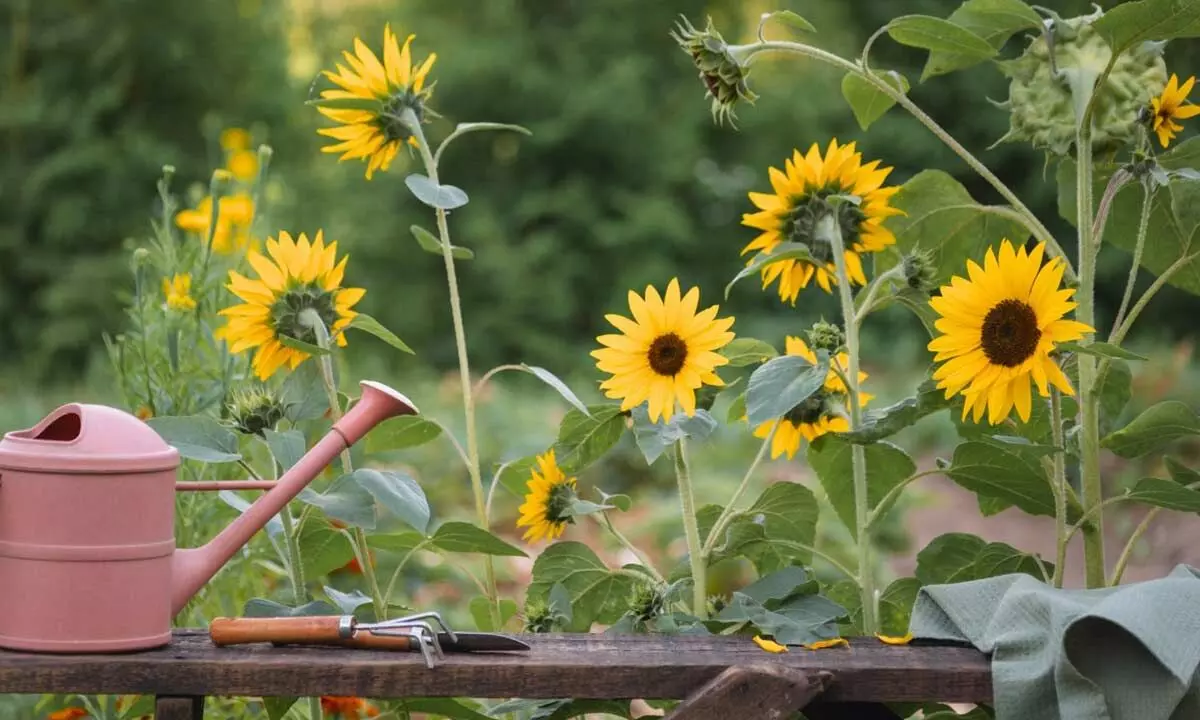
With sunlight, deep pots and basic care, cheerful sunflowers can flourish easily on even the smallest urban balconies.
Sunflowers have a special way of brightening any space. Their large golden blooms, tall stems and cheerful presence instantly lift the mood. Many people assume these vibrant flowers need a garden or backyard to grow, but that’s far from true. Even apartment dwellers with compact balconies can successfully grow sunflowers in pots.
With the right variety, enough sunlight and a little regular care, these hardy plants adapt surprisingly well to containers. Besides adding beauty, they also attract pollinators, improve air quality and create a refreshing green corner in busy city homes. If you’re new to gardening, sunflowers are an easy and rewarding place to start.
Here’s a beginner-friendly, step-by-step guide to growing them on your balcony.
Choose Compact Varieties That Fit Small Spaces
Not all sunflowers grow several feet tall. For balconies, go for dwarf or compact types that stay manageable in height. These varieties usually grow between one and three feet and don’t overwhelm limited space.
Smaller plants are also easier to maintain, less likely to topple over in the wind and better suited for pots. They bloom generously while keeping your balcony neat and balanced.
Make Sure They Get Plenty Of Sunlight
Sunflowers live up to their name. They need strong, direct sunlight for healthy growth and bright blooms. Aim for at least six to eight hours of sunlight daily.
A south-facing or west-facing balcony usually works best. Without enough light, stems may become weak and flowers may remain small or fail to bloom properly. If your space receives patchy sunlight, place the pots where they get the longest exposure during the day.
Use Deep And Sturdy Containers
Sunflowers develop long taproots, so shallow pots won’t support them well. Choose containers that are deep enough to allow roots to spread comfortably. For dwarf plants, medium-depth pots work fine, while taller types require deeper containers.
Terracotta or sturdy plastic pots are ideal because they offer stability and reduce the risk of plants tipping over. Ensure the pots have proper drainage holes to prevent excess water from collecting at the bottom.
Prepare Nutrient-Rich, Well-Draining Soil
Healthy soil is the foundation of strong plants. A loose, well-draining mix helps prevent root rot and promotes steady growth. Combine regular garden soil with compost and cocopeat or organic matter for better texture and nutrition.
This blend keeps the soil light while providing essential nutrients throughout the growing period.
Sow Seeds Directly Into The Pot
Sunflowers don’t like being transplanted, so it’s best to plant seeds directly in their final container. Place each seed about one to two inches deep in the soil and space them properly.
Water lightly after sowing. In most cases, seeds begin sprouting within a week to ten days. Avoid overwatering during this stage, as soggy soil can damage young roots.
Water Regularly But Avoid Waterlogging
Consistent moisture is important, but too much water can harm the plant. Water deeply a few times a week, allowing the top layer of soil to dry slightly between watering sessions.
Good drainage ensures roots stay healthy and strong. Overwatering often leads to yellowing leaves and weak growth, so balance is key.
Feed And Support The Plants
Sunflowers are fast growers and need regular nutrients. Adding compost or a mild organic fertilizer every few weeks encourages bigger blooms and sturdier stems. Avoid excessive nitrogen, which may produce more leaves but fewer flowers.
If your balcony gets windy, insert small stakes or bamboo sticks to support the stems. This prevents bending or breakage as the plant grows taller.
Protect From Pests And Enjoy The Blooms
Occasionally, pests like aphids or caterpillars may appear. A gentle neem oil spray works well as a natural solution and keeps your plants chemical-free.
Within two to three months, your sunflowers will begin to bloom. Rotate the pots occasionally so the plants grow straight toward the light. Once flowers fade, trim them to encourage fresh growth.
With minimal effort, your balcony can transform into a sunny, cheerful retreat filled with golden blossoms.