International Taekwondo Day: How taekwondo builds character in students

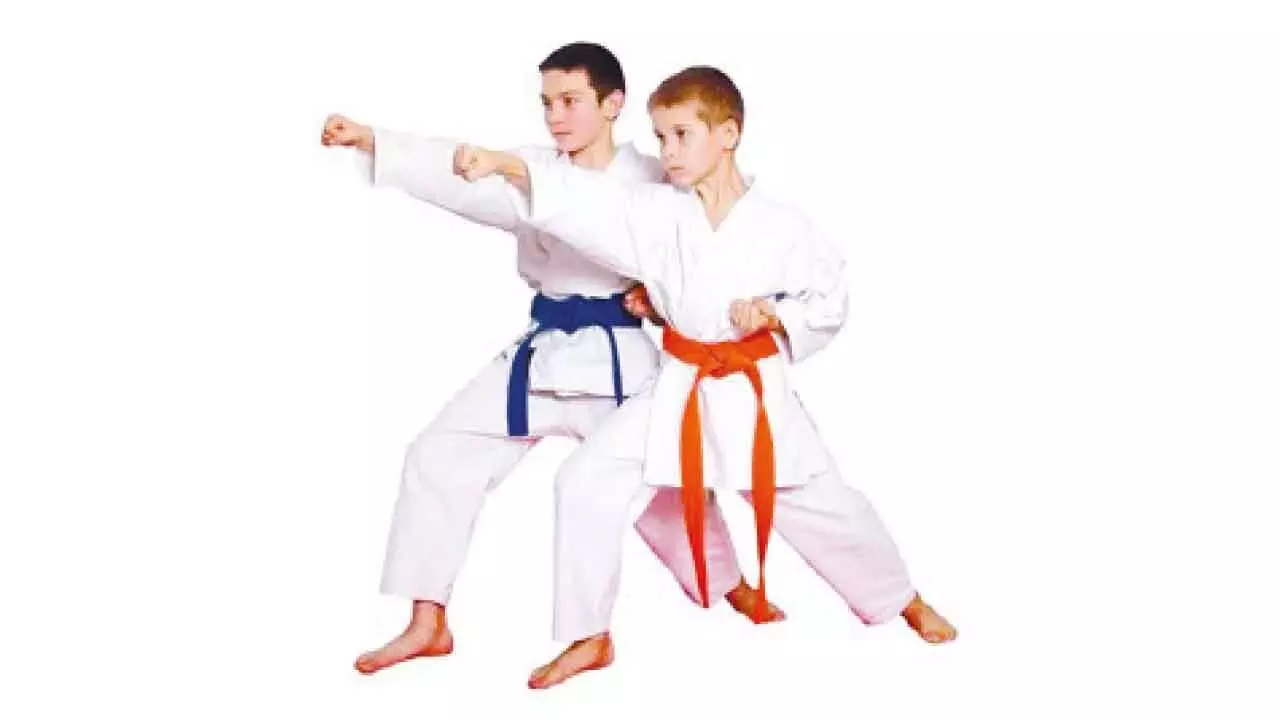
Life lessons of respect, perseverance, and self-control
Taekwondo is often seen as a sport of powerful kicks and swift movements, but its true value lies deeper. For students, it is not just about physical strength—it is a pathway to building respect, perseverance, and self-control. These life lessons extend beyond the training hall, shaping how young practitioners grow as individuals in school, at home, and in society
At its core, Taekwondo is more than a martial art. Rooted in Korean tradition, it is guided by a philosophy that emphasizes harmony between body, mind, and spirit. For students, training is not only about learning techniques but also about developing values that last a lifetime. The structured environment of a Taekwondo dojang (training hall) provides the perfect setting where discipline and moral conduct are cultivated alongside physical ability.
Respect: the foundation of taekwondo
Every session begins and ends with a bow—a simple gesture symbolizing respect for teachers, peers, and oneself. Students quickly learn that respect is not limited to the dojang; it must extend to classrooms, homes, and communities. This habit of showing courtesy becomes second nature, encouraging humility and appreciation for others’ efforts. In an age where digital distractions often diminish interpersonal connections, Taekwondo reinforces the importance of mutual respect in daily life.
Perseverance: Pushing beyond limits
Learning Taekwondo requires consistent effort. From mastering complex forms (poomsae) to preparing for belt tests, progress comes only through persistence. Students discover that setbacks—such as failing a test or struggling with a challenging kick—are opportunities to grow rather than reasons to quit. This resilience, once built, translates directly into academics and other pursuits. A student who learns to persevere in Taekwondo is more likely to stay committed when faced with challenges in studies or personal goals.
Self-control: Balancing power with responsibility
One of the most profound lessons Taekwondo imparts is self-control. Students are taught that martial skills are never to be misused for aggression. Instead, energy and strength must be channeled responsibly. Young practitioners practice patience, breathing exercises, and controlled movements, learning to manage emotions such as anger or frustration. This control not only reduces conflicts but also promotes better decision-making, making students calmer, more focused individuals.
Real-life benefits for students
The impact of Taekwondo extends well beyond the mat:
• Improved focus in academics: Regular training enhances concentration and discipline, skills that directly benefit school performance.
• Increased confidence: Achieving new belts or mastering techniques boosts self-esteem, giving students confidence to speak up and take initiative.
• Better physical and mental health: Taekwondo strengthens the body while reducing stress, helping students maintain balance in fast-paced lives.
• Conflict resolution skills: Instead of reacting impulsively, students learn to pause, assess situations, and respond with maturity.
Stories of transformation
Many instructors share stories of shy, withdrawn students who, through Taekwondo, gained confidence to express themselves. Others highlight children who struggled with temper but learned to redirect energy positively through training. Such examples show that character development is not an abstract concept but a tangible outcome of consistent practice.
For students, Taekwondo is often the first step toward understanding how values shape identity. The discipline of showing respect, persevering through struggles, and practicing self-control does not end with childhood—it equips young people for adulthood. Whether they continue in martial arts or pursue other careers, the lessons learned remain with them, guiding their choices and interactions.
Taekwondo may be known worldwide for its speed and power, but for students, its greatest strength lies in the invisible qualities it nurtures. Respect, perseverance, and self-control are not just martial virtues; they are life skills that prepare young people to face challenges with dignity and resilience. By stepping into the dojang, students are not only learning how to defend themselves—they are learning how to build character, one disciplined practice at a time.