International Women’s Day 2025: Why is it Celebrated on March 8?

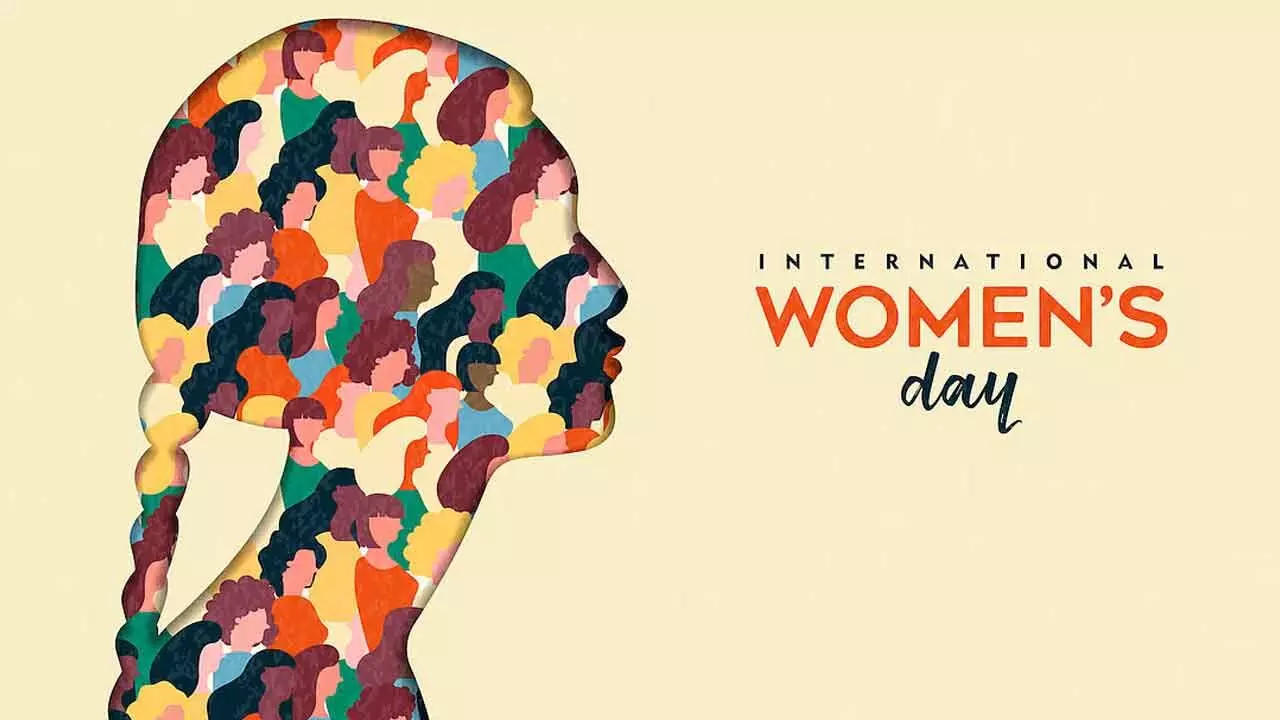
International Women’s Day, celebrated on March 8, honours women's achievements while advocating for gender equality. It serves as a global reminder of the ongoing fight for women's rights and empowerment
International Women’s Day (IWD) is observed every year on March 8 to recognize and celebrate the achievements of women in various fields while promoting gender equality. This day serves as a reminder to appreciate the contributions of women in different roles—whether as mothers, daughters, professionals, or leaders. International Women’s Day 2025 emphasizes the need to foster a future free from bias and discrimination, highlighting the vital role young women and girls play in shaping a better society.
The Significance of International Women’s Day
IWD is a platform to address challenges faced by women worldwide, including issues related to equal rights, education, and political participation. It encourages global discussions on gender-based disparities and aims to create an inclusive society where women can thrive without discrimination. While many people actively participate in Women’s Day celebrations, not everyone is aware of the historical significance behind choosing March 8 for this annual observance.
The Origins of International Women’s Day
The history of International Women’s Day dates back to 1909 when the United States observed National Women’s Day on February 28. This initiative was led by the Socialist Party of America to honour the garment workers’ strike in New York, where women protested for better working conditions, fair wages, and shorter working hours. According to historical records, approximately 15,000 women participated in this demonstration.
In 1910, during the Second International Conference of Working Women in Copenhagen, German activist Clara Zetkin proposed establishing International Women’s Day as a global event. Her proposal was supported by more than 100 women from 17 countries, advocating for equal rights in work, education, and political representation.
The First Observance and Growth of Women’s Day
Following Zetkin’s proposal, the first International Women’s Day was observed in 1911 in Austria, Denmark, Germany, and Switzerland, where over one million people rallied for women’s rights. Over the years, the movement gained momentum, and by 1977, the United Nations officially designated March 8 as International Women’s Day.
Why is International Women’s Day Celebrated on March 8?
The choice of March 8 is rooted in historical events that took place in Russia. On February 23, 1913, under the Julian calendar (which corresponds to March 8 in the widely used Gregorian calendar), Russian women staged protests against World War I. These protests marked the beginning of Women’s Day demonstrations.
A few years later, on February 23, 1917, Russian women took to the streets again, demanding an end to war, food shortages, and the autocratic rule of Czar Nicholas II. These protests played a significant role in triggering the Russian Revolution, leading to the fall of the czarist regime and the establishment of a communist state. As a result of their efforts, Russian women gained the right to vote, setting a precedent for women’s suffrage movements worldwide.
The impact of these protests extended beyond Russia. Women in the United States won voting rights in 1920, while women of colour secured the right to vote after the passage of the Voting Rights Act in 1965.
Celebrating Women’s Achievements and Progress
International Women’s Day is more than just a celebration; it is a call to action for gender equality and the recognition of women’s rights. From political activism to workplace reforms, women have played a crucial role in shaping societies. This day serves as a reminder of the progress made and the work that still needs to be done to create an equitable future for all.
As we celebrate International Women’s Day 2025, it is essential to honour the past struggles, recognize present achievements, and work toward a future where every woman is empowered and valued.