Is Sunflower Oil Truly Healthy? 5 Cooking Oils You Should Think Twice Before Using

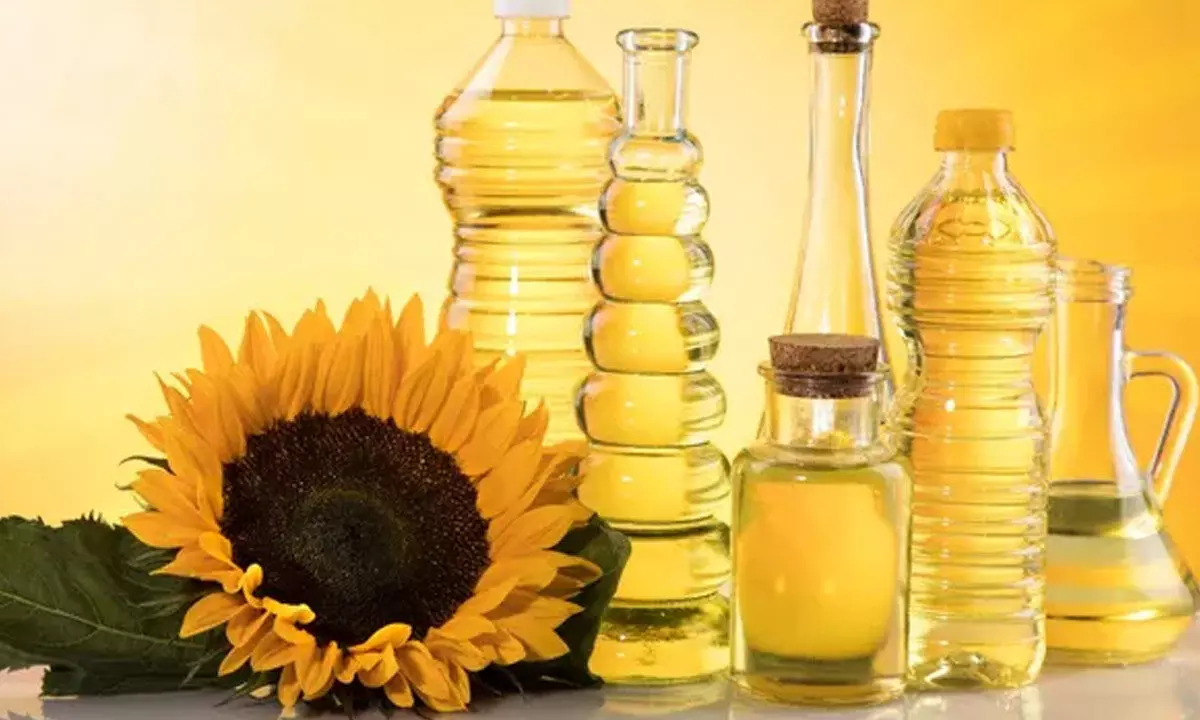
Some widely used cooking oils, including sunflower oil, may pose health risks when overheated or processed—balance and moderation are key.
Cooking oils often go unnoticed in everyday meal prep, yet they play a pivotal role in our health. From frying vegetables to baking snacks, the oils we choose can deeply influence our well-being. Despite their culinary utility, not all oils are created equal. Research shows that certain oils, especially when exposed to high temperatures or reused frequently, can release harmful compounds such as carcinogens and toxic chemicals—raising serious health concerns like cancer, inflammation, and heart disease.
Rethinking Sunflower Oil
Sunflower oil has long enjoyed popularity for its neutral flavour, affordability, and wide availability. It’s a staple in everything from home-cooked meals to packaged snacks. But under the surface, there’s growing concern. Sunflower oil is high in omega-6 fatty acids, which, when consumed in excess and without a balance of omega-3s, may contribute to chronic inflammation. Furthermore, subjecting sunflower oil to high heat can degrade its quality, forming potentially harmful compounds.
Still, that doesn’t mean you have to eliminate it entirely. Moderation is key. If you continue using sunflower oil, try to pair it with foods rich in omega-3s—like walnuts, flaxseeds, or fatty fish—to maintain a healthy fat ratio. Limit deep frying and avoid overheating it.
5 Cooking Oils You Should Consider Avoiding
1. Soybean Oil Widely used for its low cost and versatility, soybean oil is typically genetically modified and high in omega-6s. It may disrupt metabolism, promote insulin resistance, and contribute to weight gain—especially when consumed in excess or heated repeatedly.
2. Corn Oil Extracted using chemical solvents like hexane, corn oil is heavily refined and nutrient-depleted. Its high omega-6 content can spark systemic inflammation and has been associated with heart disease, diabetes, and certain cancers.
3. Vegetable Oil Often a mix of multiple oils like soybean, corn, and sunflower, generic vegetable oils undergo heavy processing. This not only strips away natural nutrients but also introduces synthetic chemicals and oxidation, raising long-term health concerns.
4. Palm Oil While economically vital for many industries, palm oil carries a high saturated fat load. Overconsumption has been linked to elevated LDL cholesterol levels and increased cardiovascular risk. Its widespread use in processed foods adds to the concern.
5. Canola Oil Marketed as a heart-healthy option, canola oil is often genetically modified and undergoes high-heat processing. This can produce trans fats and aldehydes—compounds linked to cancer and neurological damage.
When it comes to cooking oils, being informed is crucial. Opt for heart-healthier alternatives like olive, avocado, or sesame oil, and use each oil according to its heat stability. By understanding the risks and benefits, you can make smarter choices that support your long-term health.