Ramadan 2026: Iftar and Sehri Timings for March 8 Across India

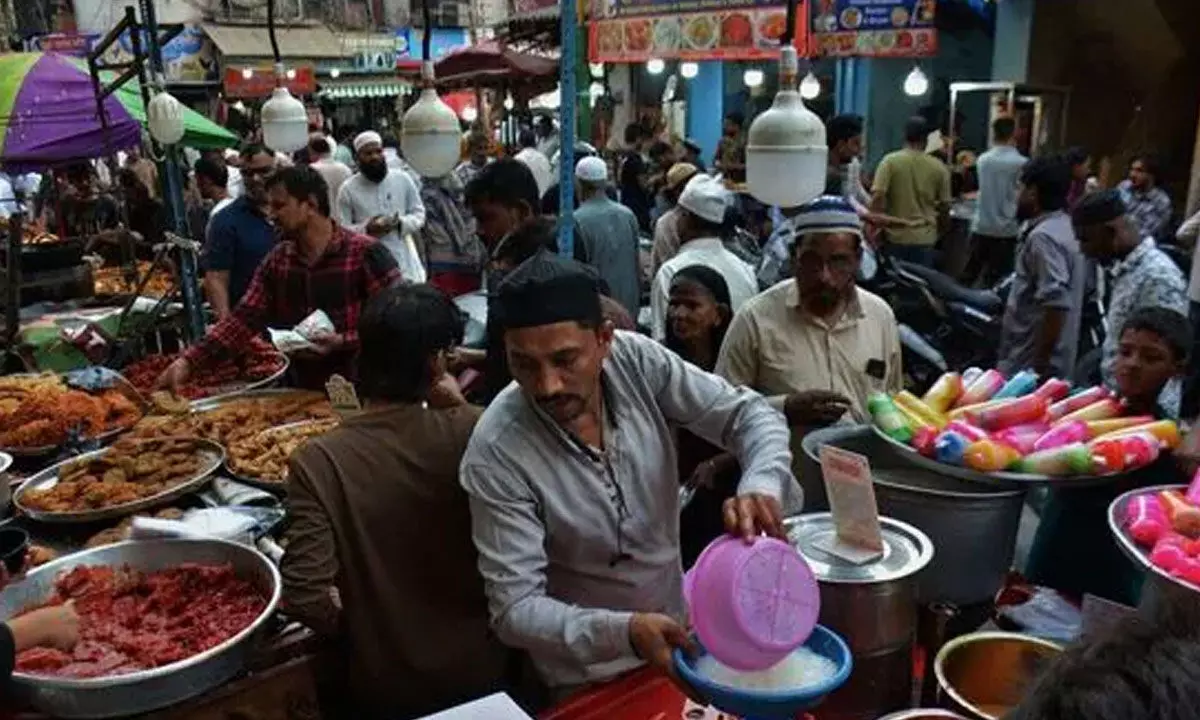
Muslims across India observe the 18th day of Ramadan today, marking devotion, discipline, and community through Sehri and Iftar.
As Muslims continue their spiritual journey during the holy month of Ramadan, Sunday, March 8, marks the 18th day of fasting. The month emphasises devotion, self-discipline, and reflection, with adherents observing fasts from dawn to sunset. Each day begins with Sehri, the pre-dawn meal, and concludes with Iftar, the evening meal to break the fast.
Families and communities across India gather during Iftar to share meals and strengthen bonds, making these moments not only a religious ritual but also a celebration of togetherness.
Sehri Timings Across Major Cities
Sehri, the early morning meal before the fast begins at dawn, varies slightly across India’s cities. On March 8:
- Delhi: 5:20 AM
- Noida: 5:19 AM
- Chennai: 5:09 AM
- Lucknow: 5:06 AM
- Pune: 5:35 AM
- Mumbai: 5:39 AM
- Kolkata: 4:37 AM
- Hyderabad: 5:17 AM
- Patna: 4:51 AM
- Bhubaneswar: 4:47 AM
Other cities like Jaipur, Indore, Bengaluru, Ahmedabad, Surat, Kanpur, Jammu, Ranchi, and Chandigarh also observe Sehri timings between 4:49 AM and 5:40 AM, depending on local sunrise.
Iftar Timings Across Major Cities
Iftar marks the end of the daily fast at sunset, often beginning with dates and water, followed by a wholesome meal. Today’s Iftar timings include:
- Delhi: 6:26 PM
- Noida: 6:26 PM
- Chennai: 6:10 PM
- Lucknow: 6:12 PM
- Pune: 6:43 PM
- Mumbai: 6:47 PM
- Kolkata: 5:44 PM
- Hyderabad: 6:25 PM
- Patna: 5:55 PM
- Bhubaneswar: 5:55 PM
Other cities such as Jaipur, Indore, Bengaluru, Ahmedabad, Surat, Kanpur, Jammu, Ranchi, and Chandigarh will observe Iftar between 6:15 PM and 6:47 PM, following local sunset.
Observing Ramadan With Devotion and Community
Ramadan is a period of spiritual reflection, increased prayers, and charitable acts. Muslims worldwide, including in India, wake up early for Sehri and spend the day in fasting, abstaining from food and water, focusing on prayer, and cultivating patience. Evening Iftar is not only a relief after a day-long fast but also a time to come together with family, neighbors, and community members, reinforcing social and spiritual bonds.
Local mosques often provide daily updates on Sehri and Iftar timings, and many households maintain calendars for accurate scheduling. Communities also host iftar gatherings where people share meals, exchanging greetings and blessings.
As the holy month progresses, each day’s Sehri and Iftar carry significance beyond nourishment, emphasising discipline, reflection, and gratitude. Observing Ramadan encourages a sense of empathy for those in need and strengthens spiritual resilience among fasting individuals.
Muslims observing today’s fast are advised to begin their day with Sehri at the appropriate local time and break their fast promptly at sunset. Sharing meals with family and community members during Iftar remains a cherished part of the daily ritual.