Simple Kitchen Steps To Clean Vegetables And Reduce Pesticide Residue At Home

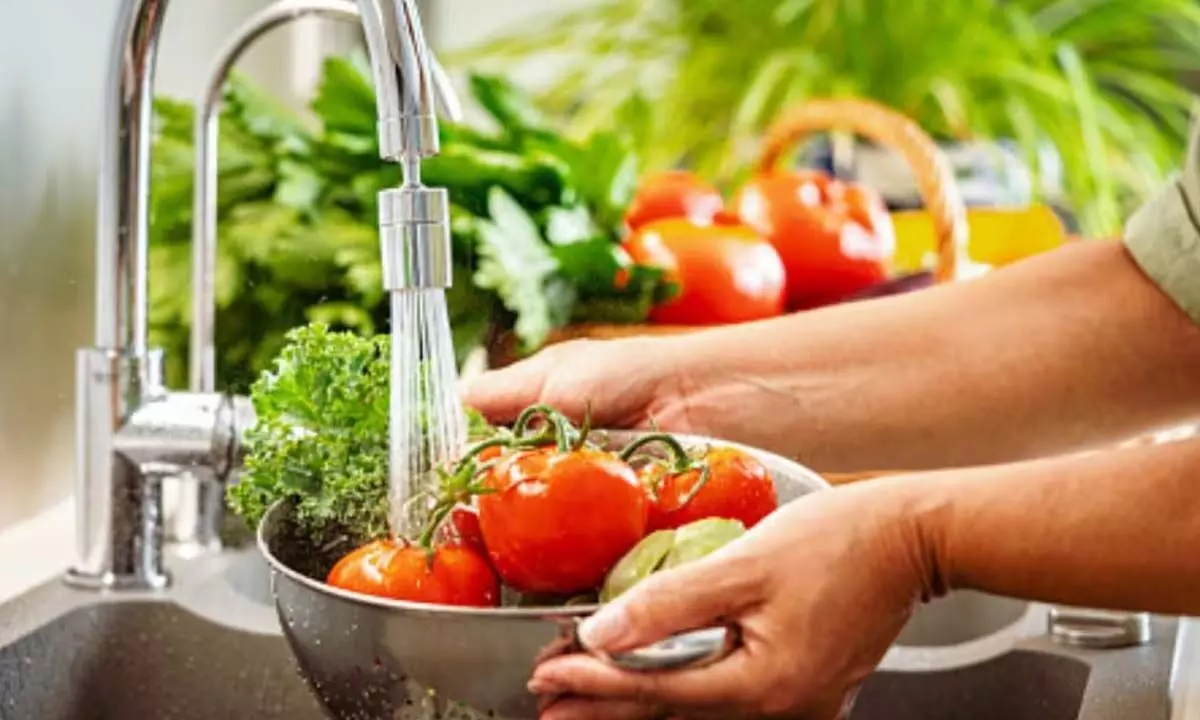
Easy home washing techniques like salt, vinegar and lemon soaks help lower pesticide residue, germs and hidden dirt effectively.
Chemical use in modern farming has increased significantly over the years, especially in vegetables that are grown for quick market supply. From planting to harvesting, many crops are exposed to pesticides, insecticides and other chemicals to protect them from pests and improve yield. While these practices may help farmers, they often leave behind residues that can reach our kitchens and, eventually, our plates.
Most people simply rinse vegetables under tap water before cooking. However, a quick wash is rarely enough to remove harmful chemicals or bacteria. Proper cleaning methods at home can make a big difference in reducing exposure to pesticides and ensuring safer meals for your family. With a few simple steps and ingredients already available in the kitchen, vegetables and fruits can be cleaned more effectively.
Here are some practical and easy ways to wash produce thoroughly.
Why Proper Washing Matters
Vegetables often travel long distances from farms to markets, collecting dust, dirt, germs and chemical residues along the way. Leafy greens, root vegetables and fruits with uneven surfaces can trap contaminants easily. Consuming unwashed or poorly cleaned produce may increase the risk of stomach infections and long-term health issues. Taking a few extra minutes to clean them properly helps improve food safety and hygiene.
Start With Running Water
The first step should always be a good rinse under running water. Hold each vegetable or fruit under the tap for at least 20 to 30 seconds. Gently rub the surface with your hands to loosen dirt and residue. For firm produce like potatoes, carrots or cucumbers, using a soft vegetable brush can help remove particles stuck in crevices. This simple step alone can remove a significant amount of surface contaminants.
Salt Water Soak For Everyday Cleaning
Salt is a natural cleansing agent that can help eliminate germs and loosen chemical deposits. Fill a large bowl with water and add a spoonful of salt. Soak vegetables and fruits in this solution for 10 to 15 minutes. After soaking, rinse them again with fresh water. This method is especially useful for tomatoes, brinjals, beans and other commonly used vegetables.
Lemon And Vinegar Solution
For deeper cleaning, a mixture of lemon juice and white vinegar works well. Both ingredients have natural antibacterial properties. Add a small quantity of lemon juice and vinegar to a bowl of water and soak the vegetables for a few minutes. This helps break down residues and reduce microbial contamination. Once done, rinse thoroughly to remove any remaining taste or smell.
Special Care For Leafy Greens
Leafy vegetables like spinach, coriander and lettuce often hide mud and insects between their layers. Separate the leaves before washing. Soak them in cold water for five to ten minutes, then change the water and repeat the process two or three times. This ensures that trapped dirt and chemicals are washed away effectively.
Vinegar Soak For Stubborn Residues
If you suspect heavy pesticide use, try a stronger vinegar solution. Mix about 90 percent water with 10 percent vinegar and soak the produce for up to 20 minutes. This method can help remove more stubborn chemical traces. Rinse thoroughly afterward to maintain the natural taste.
Make It A Daily Habit
Cleaning vegetables properly should become a regular kitchen routine rather than an occasional step. Spending a little extra time washing produce carefully can protect your family from unnecessary chemical exposure and foodborne illnesses. With these simple methods, you can enjoy fresh, healthy and safer meals every day.