Six Traditional Bengali Bhog Recipes To Prepare At Home On Saraswati Puja

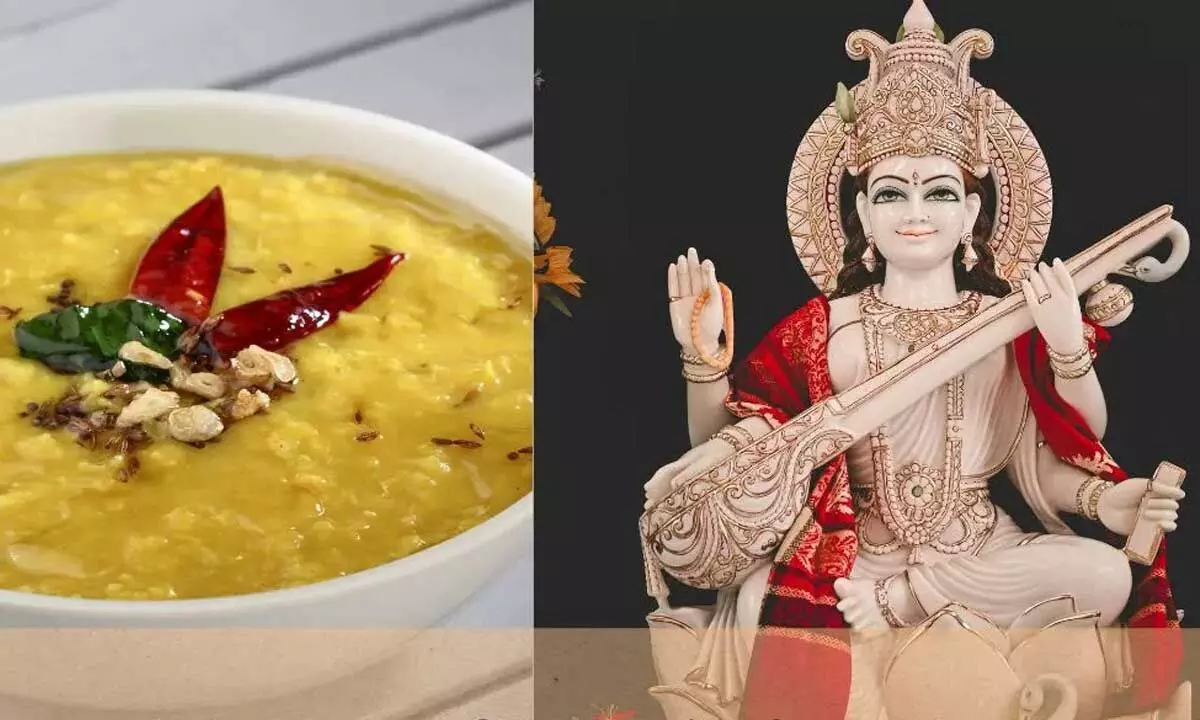
Celebrate Saraswati Puja 2026 with these easy, sattvik Bengali bhog recipes that blend devotion, tradition, and comforting homemade flavours.
Saraswati Puja, observed on January 23, 2026, marks the fifth and concluding day of Basant Panchami. Dedicated to Goddess Saraswati, the deity of knowledge, wisdom, music, and arts, the festival holds special significance in Bengal. Homes, schools, colleges, and cultural institutions come alive with prayers, yellow decorations, and traditional rituals that welcome spring and the harvest season.
No Saraswati Puja celebration is complete without a thoughtfully prepared bhog. The offering symbolises purity, gratitude, and devotion. Bengali bhog dishes are strictly vegetarian, light, and sattvik, prepared without onion or garlic. From comforting khichuri to soulful sweets, these recipes reflect the simplicity and spiritual essence of the festival.
Here are six traditional Bengali bhog dishes that you can easily prepare at home to offer Maa Saraswati on Basant Panchami.
Khichuri: The Heart Of The Bhog Platter
Khichuri is the most essential dish prepared for Saraswati Puja. Made with gobindobhog rice and moong dal, this wholesome preparation represents warmth and nourishment. The rice and lentils are cooked together with ghee, cumin seeds, ginger, turmeric, and salt, resulting in a soft, mildly spiced consistency. A light tempering of bay leaves in ghee enhances its aroma. Khichuri forms the base of the bhog thali and pairs beautifully with other side dishes.
Begun Bhaja: A Simple Yet Flavourful Side
Begun bhaja, or fried brinjal slices, is a classic accompaniment to khichuri. Thick slices of eggplant are marinated with turmeric, salt, and a hint of chilli powder before being shallow-fried in mustard oil. Crispy on the outside and soft inside, begun bhaja adds texture and depth to the bhog platter while staying true to traditional flavours.
Labra: A Medley Of Seasonal Vegetables
Labra is a mixed vegetable curry that is considered indispensable during Saraswati Puja. Prepared with vegetables such as potatoes, cauliflower, carrots, cabbage, and beans, it is cooked in mustard oil with panch phoron, ginger paste, and turmeric. Lightly spiced and gently simmered, labra complements khichuri perfectly and brings balance and nutrition to the meal.
Payesh: The Classic Bengali Sweet
Payesh, the traditional rice pudding, is a must-have dessert for Saraswati Puja. Rice is slow-cooked in milk until thick and creamy, then sweetened with sugar and flavoured with cardamom, saffron, and nuts. The subtle sweetness of payesh symbolises prosperity and is an integral part of the bhog offering.
Kuler Chutney: Sweet And Tangy Tradition
Kul, also known as Indian jujube, holds ritual importance during Saraswati Puja. Traditionally, it is first consumed after offering it to the Goddess. Kuler chutney is prepared by boiling kul with sugar, ginger, raisins, and a pinch of salt until it reaches a jam-like consistency. This sweet-tangy chutney adds a refreshing contrast to the savoury dishes on the bhog thali.
Raj Bhog: A Festive Sweet Ending
Raj bhog is a celebratory sweet that brings grandeur to the bhog platter. Soft chenna balls mixed with a little semolina are gently cooked in fragrant sugar syrup infused with saffron and cardamom. Rich yet delicate, raj bhog is the perfect way to conclude the Saraswati Puja offering.
As Saraswati Puja 2026 approaches, preparing these traditional Bengali bhog dishes at home adds a deeper sense of devotion and cultural connection. Simple, nourishing, and rooted in age-old customs, this bhog platter transforms the festival into a heartfelt celebration of faith, learning, and togetherness.