Small Haircare Tweaks That Can Help Prevent Dryness, Dandruff and Hair Thinning

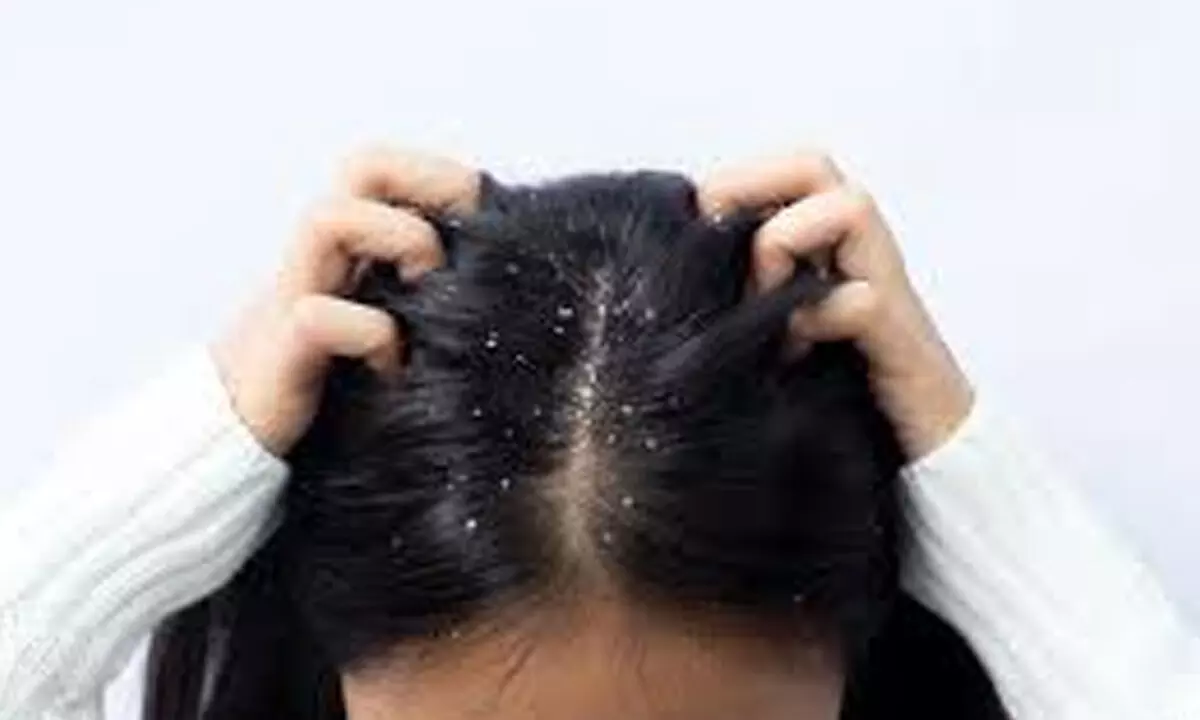
Minor daily haircare habits, from water temperature to diet, can greatly improve scalp health and reduce breakage naturally.
Dry strands, an itchy scalp, stubborn flakes on your clothes and more hair than usual left behind on your brush — these are concerns many people quietly deal with every day. While salon treatments and expensive products often promise quick fixes, hair experts say the real solution usually lies in simple routine changes done consistently at home.
Healthy hair begins with a healthy scalp. And often, everyday habits — the kind most people never question — are the very things causing dryness, dandruff and even what appears to be thinning hair. By adjusting a few basics, it’s possible to restore moisture balance, reduce irritation and improve overall hair strength without much effort.
Turn Down the Heat in the Shower
Hot showers may feel comforting, especially in colder months, but very hot water can strip the scalp of its natural oils. These oils protect both the scalp and the hair shaft. When they’re removed too often, hair becomes rough, dry and prone to breakage, while the scalp may grow irritated and flaky.
Switching to lukewarm water for washing and finishing with a cooler rinse can help retain moisture. This small change leaves hair smoother, shinier and less frizzy over time.
Avoid Overwashing Your Hair
Many people equate daily shampooing with cleanliness, but frequent washing can actually do more harm than good. Regular shampoo use can dry out the scalp and weaken hair strands, making them brittle. The resulting breakage often gets mistaken for hair loss or thinning.
For most hair types, washing two or three times a week is enough to maintain hygiene without disrupting natural oils. Those with oilier scalps can opt for mild, gentle shampoos instead of strong cleansing formulas that may cause further dryness.
Be Mindful With Oiling
Oiling has long been a trusted tradition in many households, but using too much oil or leaving it on overnight can create problems. Excess oil may trap dirt and clog pores, leading to itchiness and worsening dandruff.
A lighter approach works better. Applying a small amount of oil for one to two hours, mainly on the lengths rather than the scalp, helps nourish hair without buildup. If you regularly oil or use styling products, washing twice with a mild shampoo can cleanse more effectively than a single harsh wash.
Use Conditioner the Right Way
Conditioner is meant to soften and protect hair, but applying it directly to the scalp can cause residue and make flakes worse. Instead, it should be used only from mid-length to the ends.
This technique hydrates the strands that need moisture most while keeping the roots light and clean. Proper use also reduces tangles and breakage.
Clear Scalp Buildup Weekly
Over time, dead skin cells, sweat and product residue can accumulate on the scalp. This buildup may block follicles and lead to persistent dandruff or weaker roots.
Introducing a gentle scalp exfoliation once a week — through a mild scrub or clarifying shampoo — can remove this layer and refresh the scalp. A cleaner base supports healthier hair growth.
Cut Back on Heat Styling
Frequent use of straighteners, curling irons and blow dryers can damage the hair’s protective layer. This leads to split ends, dryness and breakage, making hair appear thinner and lifeless.
Reducing heat exposure and always using a heat protectant can help preserve strength and shine in the long run.
Don’t Ignore Lifestyle Factors
Hair health is closely tied to overall wellbeing. Stress, lack of sleep, dehydration and poor nutrition often show up first through hair fall and scalp troubles. Eating protein-rich foods, drinking enough water and maintaining regular sleep can significantly improve hair quality.
With small, steady adjustments to daily habits, achieving a healthier scalp and fuller-looking hair becomes far more achievable than many think.