Summer-proof your home: Choosing the right doors and windows for heat control

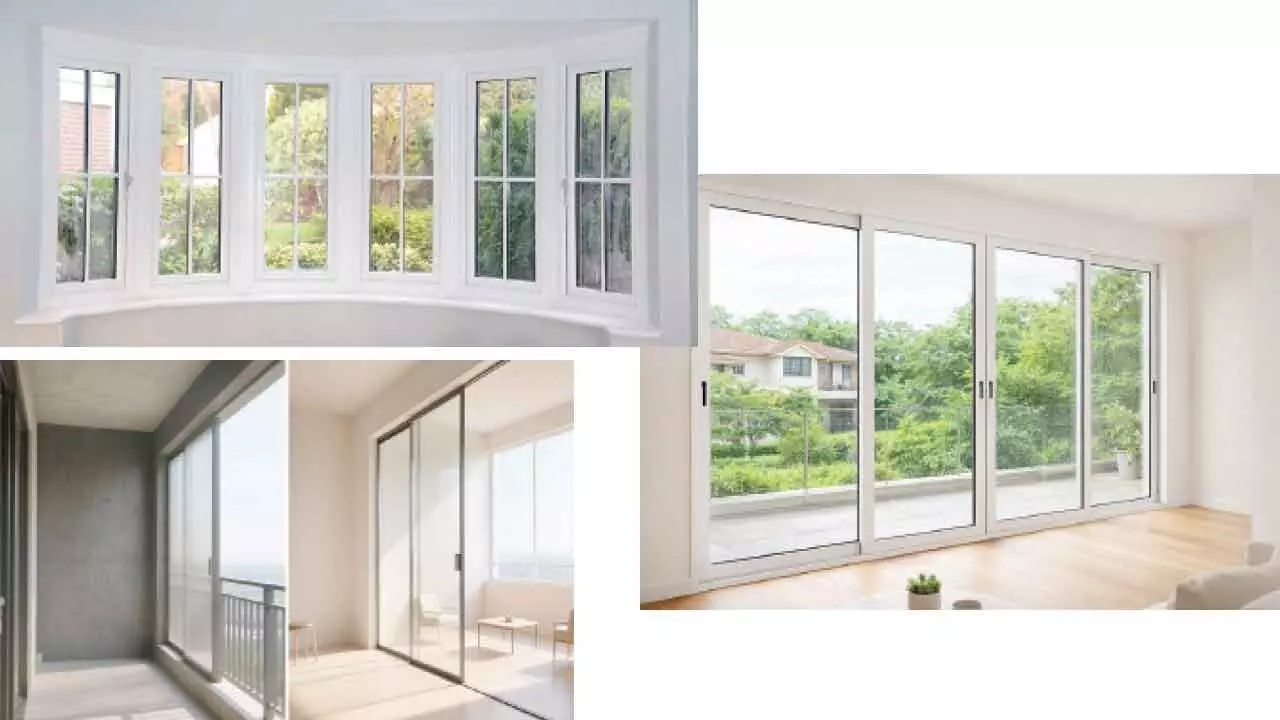
With summer finally at our doorstep, many people are going to want to make their homes as cool and as comfortable as possible from the heat of summer. Not only are most people using air conditioning and other cooling devices this summer, but many homeowners are discovering that the construction type of their homes has an effect on how much heat their homes can absorb in order to cool them down. From their front door to their windows, homes absorb high levels of heat via the materials used in construction, as well as how well they have designed the home to ventilate and provide insulation from outside temperatures.
Two of the most common ways that a homeowner can allow hot air and sunlight to enter their home are through the doorways and windows of their homes.
If the door and window design is poorly done and also made from materials with high thermal conductivity, the likelihood of indoor temperatures rising greatly increases. In addition to causing discomfort for people living in these areas, a rise in temperature inside the structure causes higher energy usage as cooling systems have to work harder to provide adequate temperatures.
Selecting the Right Material
A great way to reduce the amount of heat that transfers through a structure’s walls is to use construction materials with natural insulating properties. The most commonly used materials, basic raw wood, often do not perform well when subjected to the elevated temperatures commonly associated with summer months. These types of materials may bow, twist, or allow for more efficient heating of a structure than other materials could.
Selecting the Material
To help prevent the transfer of heat, it is important to select a material that has good natural insulating properties. Many of the traditional materials used for building homes are not able to maintain their structural integrity in the heat of the summer and will expand/warp over time as a result of the increase in their ability to pass heat through as a result of exposure to heat.
uPVC windows and doors were engineered to withstand extreme temperature fluctuations (including temperature/humidity extremes) and also protect your home from ultraviolet rays from the sun. Unlike steel framing, uPVC does not retain the heat transferred to it from your home and will not allow that to be transferred back to your house. Additionally, uPVC products are durable and withstand severe weather, making them an excellent option for regions that receive high levels of direct sunlight and rainfall each year.
Ventilation improvement is not only dependent on building materials; window design also plays a large part in the amount of fresh air that can enter a home. Windows that have been properly designed allow air to flow correctly so hot air can escape while new cold air enters the room.
The casement window is the best style of window for ventilating spaces. Casement windows are designed for maximising airflow inside your home when fully opened. Casement windows make an effective air sealer when closed, thus reducing the amount of heated air that can come into your home.
A good alternative to casement windows is the sliding window. They can be placed in homes where there is little room to operate a casement window. Sliding windows operate easily because of their smooth horizontal movement. Additionally, homeowners do not need extra interior room to control the amount of airflow, and because they function as the primary means of ventilation in modern apartments, sliding windows are also very space-efficient.
TEMPERATURE CONTROL THROUGH DOORS
Temperature control inside your home is achieved by using doors properly. If large openings have windows, the sun can enter your home if they do not have adequate insulation or seals.
Sliding doors are popular designs for balconies and patio areas, or any area that faces the garden. Sliding doors with insulated frames and good glazing can provide you with natural light without losing energy. An example of an efficient use of doors for saving energy is to use sliding doors with insulated frames and good-quality glazing. Sliding doors will allow for natural light to come into your home and use very little of your energy. If you have sliding doors in your home, they can provide a nice amount of light into your home without consuming a lot of energy. These doors will allow you to have the ability to quickly and easily get from inside your home to outside your home while not negatively affecting the comfort level that you have from inside to outside your house.
Another energy-efficient use of doors includes tilt-and-turn doors. Tilt & turn doors allow you to tilt the door inward for ventilation purposes or to open the door as a standard door. Homeowners can open the door and let air in through the tilted door at different rates, thereby giving them flexibility about how they want to keep their home heated/cooled versus providing an additional layer of insulation.
For larger openings, fold and slide doors are now a popular option in contemporary house designs today. Fold-and-slide doors make it easy to create large openings to promote airflow and close to create insulated and secure barriers from the heat and outside elements.
Extra Features That Enhance Comfort
Today's window and door systems have many features that allow them to contribute to an improved indoor environment. By having multi-point locking (sealing) systems, you ensure all points around the perimeter of the frame are tightly sealed, thus keeping out warm air.
Compared to poor-quality glazing options, the higher-quality glazing options available can reduce both heat loss and heat gain while improving acoustical performance.
When you have a door or window system that has a reinforced frame and has been constructed using a combination of quality materials combined with uPVC, you'll find that it increases the durability of your product, meaning that it will continue to function regardless of exposure to sunlight and heat for long periods, and therefore help to maintain stability.
Creating a Cooler Home through Design During Summer
While the installation of an air conditioning unit is a great way to help cool your home in the summer, designing your home so that it can utilise an air conditioning unit effectively helps just as much. Choosing how to create a home using architectural principles and the types of doors and windows used in your home will help you with temperature control in your home.
Selecting the type of windows and doors you want to use (such as casement, sliding, sliding doors, tilt and turn doors, and folding and sliding doors) will help to create increased energy efficiency compared to just using your AC unit. Additionally, selecting your doors and windows for maximum ventilation and natural light will assist with creating a comfortable living space in your home, no matter how elevated your summer day outdoor temperature is.
(The writer is a Managing Director, Durakraft Extrusion)