Winter Getaways With Dogs: A Practical Guide For Stress-Free Travel

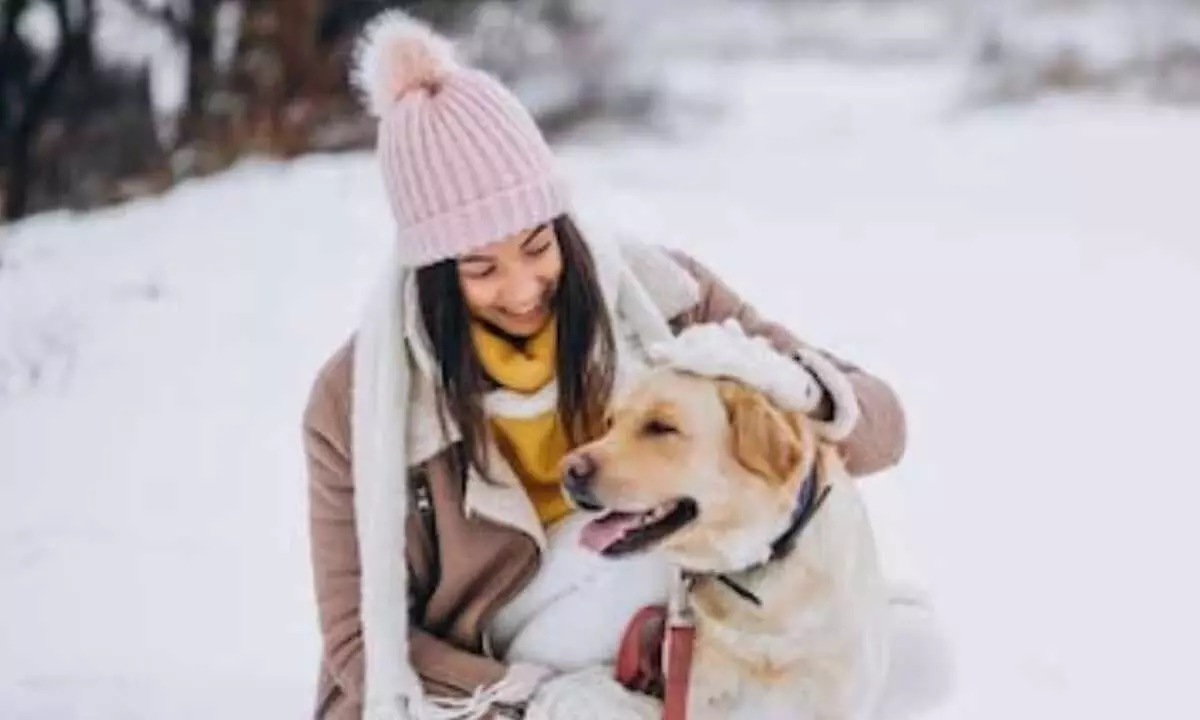
Winter trips with dogs succeed when preparation, routine, and understanding your pet’s comfort levels matter more than cold-weather gear.
Winter vacations are no longer just a human affair. Across India, more pet parents are choosing to include their dogs in year-end escapes, whether to misty hill stations or quieter countryside retreats. While adorable jackets and cosy accessories often top the packing list, travelling with a dog in winter requires far more thoughtful preparation than simply dressing them for the cold.
Contrary to popular belief, low temperatures are not always the biggest challenge for dogs. Many commonly kept breeds are naturally equipped to handle cooler climates, especially when winter conditions are relatively mild compared to the environments their ancestors were bred for. The real test for most dogs during winter travel lies in change. New surroundings, unfamiliar smells, altered routines, and unpredictable terrain can be mentally overwhelming, even for confident pets.
Snow-covered paths, slippery surfaces, gravel roads, or steep slopes can feel strange and intimidating to dogs who have never encountered them before. Sudden exposure without preparation may lead to hesitation, stress, or even injury. This is why gradual acclimatisation, controlled walks on a leash, and calm guidance are far more effective than excitement-driven adventures. A structured approach helps dogs feel secure and allows them to explore new environments at their own pace.
Extra care is essential for dogs that are more sensitive to cold or altitude changes. Short-haired breeds, smaller dogs, senior pets, and flat-faced breeds often struggle more in chilly or high-altitude settings. These dogs benefit from shorter outdoor sessions, frequent rest, and close monitoring of their breathing, energy levels, and body warmth. Winter travel for them should be slow, gentle, and flexible, with comfort taking priority over sightseeing.
One of the most useful tools for winter travel with dogs is crate training. A crate acts as a familiar refuge amid constant movement and new surroundings. Whether during long drives, hotel stays, or sudden weather shifts, a crate gives dogs a consistent personal space where they can relax and reset. Dogs accustomed to crates often adapt more quickly to travel and experience less anxiety.
Maintaining routines is another key factor in reducing stress. Feeding times, walk schedules, and rest periods should remain as consistent as possible. Overestimating a dog’s stamina, forcing long hikes, or assuming excitement equals readiness can quickly turn a holiday into an exhausting experience for both pet and parent. Conditioning before travel and allowing plenty of downtime ensures the trip remains enjoyable.
Many pet parents also rely on familiar comforts to help their dogs adjust. Favourite toys, bedding, and regular treats provide a sense of normalcy in unfamiliar places. Being attentive to subtle signs of discomfort, such as restlessness or reluctance to move, allows for timely adjustments that prevent bigger issues.
Ultimately, winter vacations with dogs are about intention rather than indulgence. Thoughtful planning, awareness of a dog’s physical and emotional limits, and a commitment to consistency transform travel into a positive experience. When dogs feel secure and supported, winter journeys become opportunities to build confidence, strengthen bonds, and create shared memories—turning cold-weather trips into truly warm experiences.